

Concern remains over new outbreaks of violence in Libya, a UN official said on Tuesday as the country's move towards an election faces delays.
Rosemary DiCarlo, undersecretary general for political and peacekeeping affairs, warned the UN Security Council of the potential for "retaliatory attacks by both sides" and possible arrests, which could again stir tensions.
"I am deeply concerned that the ongoing stalemate and continued delays in implementing the electoral process pose a growing threat to security in and around Tripoli, and potentially to all Libyans," she said.
Heavy gunfire and shelling broke out last week in several Tripoli neighbourhoods, leaving 32 people dead.
Rival prime ministers Abdulhamid Dbeibah and Fathi Bashagha each blamed the clashes on the other.
"This appeared to be another attempt of pro-Bashagha forces to enter the capital from the east," Ms DiCarlo said. She said those efforts were blocked by pro-Dbeibah forces.
Since then, the situation has "remained tense and fluid", she said.
"A fragile calm has since prevailed in Tripoli," she said. "It is unclear how long it will last."
Ms DiCarlo told the council that Libya has faced chaos since a Nato-backed uprising toppled and killed longtime dictator Muammar Qaddafi in 2011.
Armed clashes erupt in Tripoli - in pictures
-
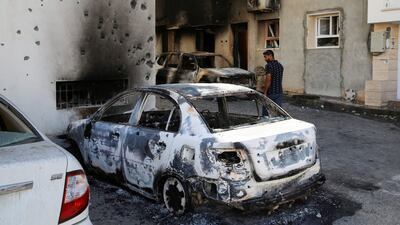
A car burnt during clashes in Tripoli. Reuters -
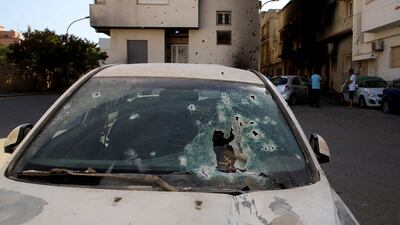
A car's smashed windshield. Reuters -
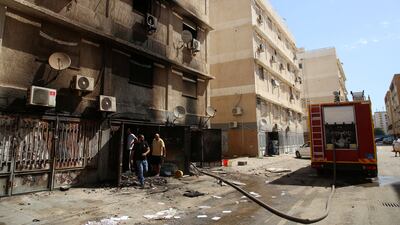
Firefighters put out a fire inside a shop. Reuters -
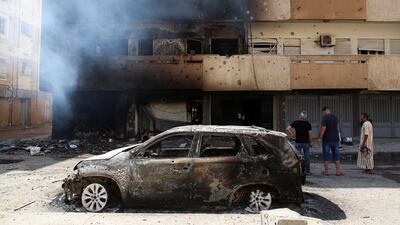
A burning building. Reuters -
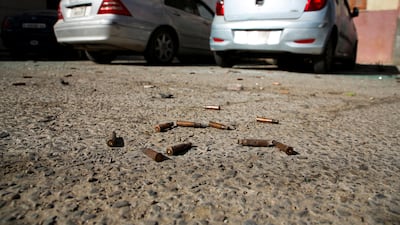
Empty bullets are found on the ground. Reuters -
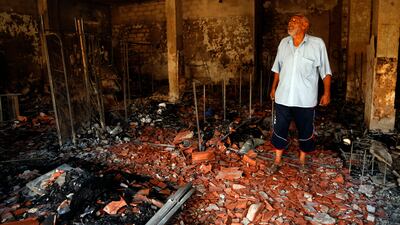
A man surveys the damage from clashes in the Libyan capital of Tripoli. AP -
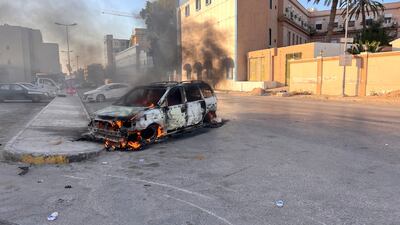
A car burns in the street. Reuters -

Fighters loyal to the head of Libya's Government of National Unity gather in the street. Reuters -
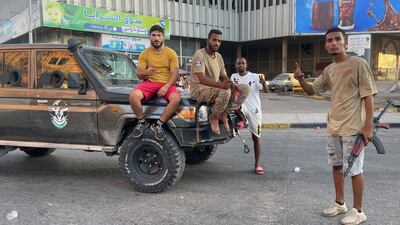
Fighters loyal to the Government of National Unity following clashes between rival Libyan groups. AFP -
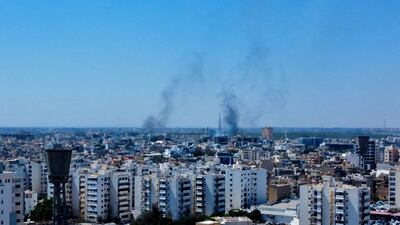
Smoke rises following the fighting. Reuters -
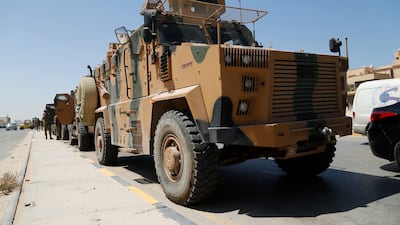
Clashes broke out on Saturday between rival militias, a health official said. AP -
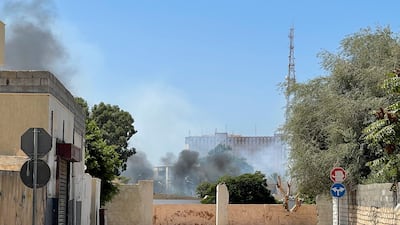
The fighting broke out in various districts of Tripoli, as two rival governments yet again vie for power in the oil-rich but impoverished North African country. AFP -
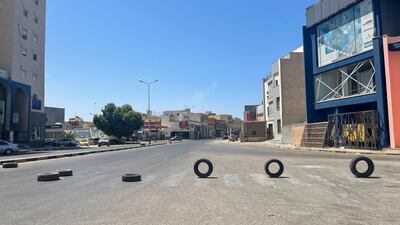
Tyres are used to section off a road in Tripoli. AFP -
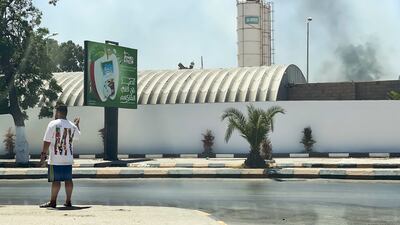
The fighting wounded civilians and raised fears of all-out conflict in a country facing a grave political crisis. AFP -
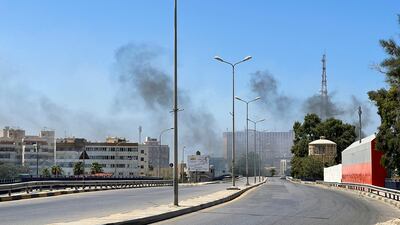
Smoke billows as gunfire rings out in the capital. AFP -
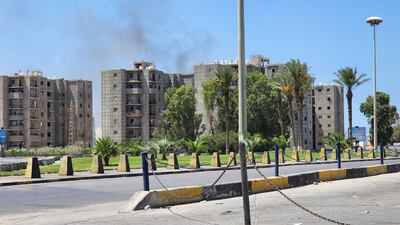
Fighting has left Tripoli completely deserted. AFP -
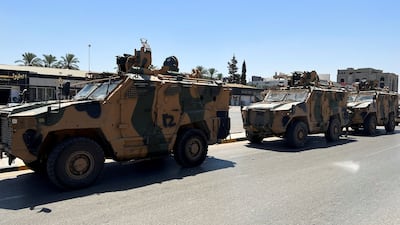
Military vehicles of the 444 Brigade, backing the Government of National Unity patrol the streets. Reuters


The oil-rich county has for years been split between rival administrations, each backed by rogue militias and foreign governments.
The present stalemate grew out of the failure to hold elections in December and Mr Dbeibah’s refusal to step down.
In response, the country’s east-based parliament appointed a rival prime minister, Mr Bashagha, who has for months sought to install his government in Tripoli.
Ms DiCarlo said the fighting that broke out in the early hours of August 27 appeared to be another attempt of pro-Bashagha forces to enter the capital.
“However, they were blocked by pro-Dbeibah forces at Zleiten, about 160 kilometres east of Tripoli, and were forced to retreat, following clashes,” she said.
“Attempts by other pro-Bashagha armed groups to advance on the capital from the west and south-west were similarly repelled.”
Security Council agrees on appointment
Several members of the Security Council have called for the quick nomination of a new head of the UN's mission in Libya, after previous emissary Jan Kubis left the position abruptly in November.
According to several diplomatic sources, the Security Council has agreed to appoint Senegalese Abdoulaye Bitali, although the Libyan government has indicated reservations.
No official announcement has been made on that by UN Secretary General Antonio Guterres.
Because of that vacancy, the country's UN mission is currently under renewal for a period of only a few months, with Russia demanding the nomination of a new envoy before any further extension.
Mr Dbeibah's Government of National Unity, which he has run since last year and which controls the western part of the country, has been based in Tripoli since the fall of Qaddafi in 2011, while military strongman Khalifa Haftar-backed Mr Bashagha has run the eastern part of the country since March.

