

The nearly two-year conflict in Ethiopia has left almost half the population of the Tigray region in "severe" need of food, as aid groups struggle to reach the population because of insufficient fuel supplies, the World Food Programme said on Friday.
Although the delivery of aid resumed after the federal government declared a unilateral ceasefire in March, malnutrition rates have "skyrocketed" and are expected to worsen, the UN agency said.
Services such as banking and telecommunications were cut in Tigray, home to around 5.5 million people, days after the national army and allied forces pulled out a year ago. They are yet to be restored, hampering the ability of people to buy food, the WFP said.
"Hunger has deepened, rates of malnutrition have skyrocketed, and the situation is set to worsen as people enter peak hunger season until this year’s harvest in October," the report said.
Half of pregnant or lactating women in Tigray are malnourished, as well as a third of children under five, leading to stunting and maternal death, the report found.
Across Tigray and the neighbouring regions of Afar and Amhara, also affected by the war, an estimated 13 million people need food aid, a 44 per cent increase from the previous WFP report released in January.
The UN said that since April 1 only 1,750,000 litres of fuel had entered Tigray, less than 20 per cent of the monthly humanitarian needs in the region, if all supplies were in.
The impact of the fuel shortage can be seen in the increase in the number of people in Tigray needing food aid. In January, when the region was under what the UN described as a de facto blockade for six months, 83 per cent of people needed food aid.
Large-scale convoys started entering Tigray again in April, but aid workers are struggling to distribute the food and the number of people needing it has risen to 89 per cent, with those in "severe" need up from 37 per cent in January to 47 per cent in August.
Legesse Tulu, the government spokesperson, did not immediately respond to requests for comment on the insufficient delivery of fuel.
-
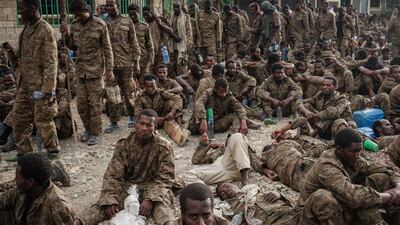
Captive Ethiopian soldiers arrive at the Mekele Rehabilitation Centre in Tigray, Ethiopia, after a four-day journey from Abdi Eshir. All photos: AFP -
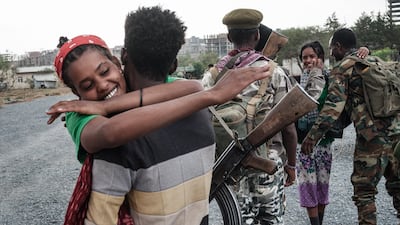
Women welcome Tigray People's Liberation Front fighters as they return to Mekele after seizing control of the city in June 2021. -
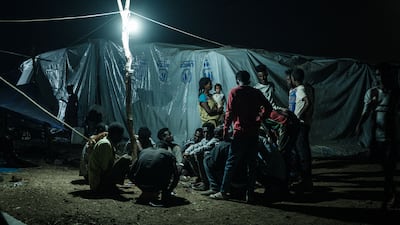
Ethiopians who fled the Tigray conflict wait to charge their phones at Um Raquba refugee camp in Gedaref, Sudan. -
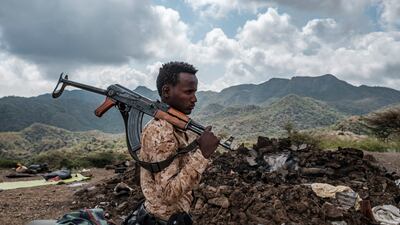
A member of the Afar Special Forces stands in front of the debris of a house on the outskirts of the village of Bisober in Tigray. -
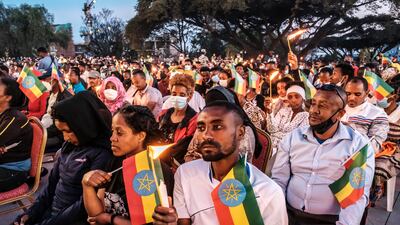
People hold candles and Ethiopian flags at a memorial service for the victims of the Tigray conflict in Addis Ababa. -

An Ethiopian refugee who fled fighting in Tigray waits behind a fence in a camp in Sudan. -
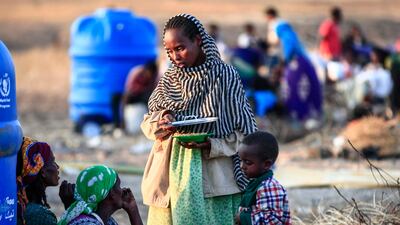
Refugees living in a camp in Sudan after fleeing violence in Tigray. -
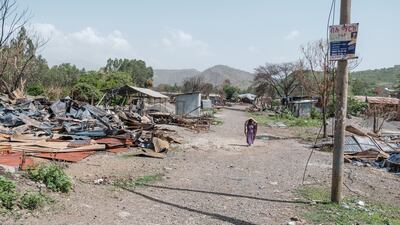
A woman walks among the remains of a destroyed factory in Ataye, Ethiopia, where more than 100 civilians died in a recent flare-up of violence. -
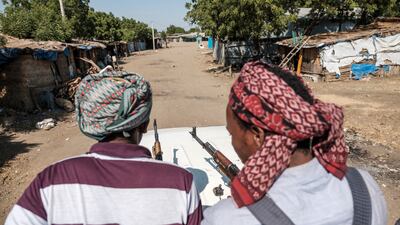
Two members of the Amhara militia ride in the back of a pick-up truck. Amharas and Tigrayans were uneasy neighbours before the current fighting, with tension over land sparking violent clashes. -

Militias from the Amhara region have been involved in the fighting in Tigray. -
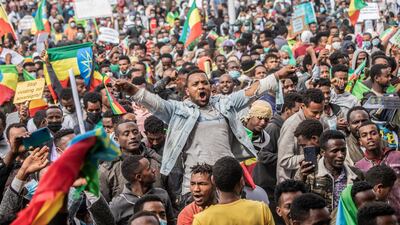
Tens of thousands of Ethiopians gather at a rally organised by the mayor of Addis Ababa to show support for the military's efforts in Tigray. -
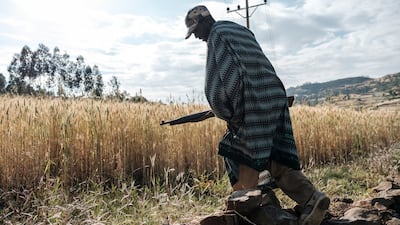
Zeleke Alabachew, farmer and militia fighter, tends to his land near the village of Tekeldengy, Ethiopia, Africa's second most populous nation. -
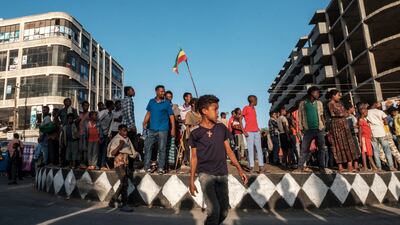
People celebrate the liberation of opposition leaders in the city of Alamata, Ethiopia. -
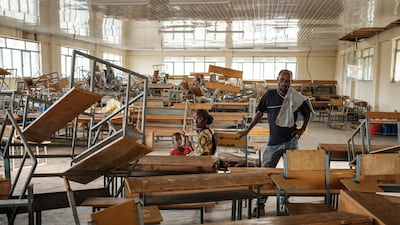
A family fleeing violence sit in a former classroom at May Weyni secondary school, now hosting 10,500 displaced people, in Mekele, capital of Tigray. -
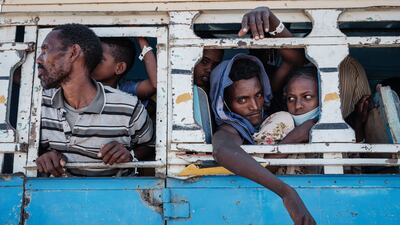
Ethiopian refugees travel to Sudan to escape violence in Tigray. -

Ethiopian refugees gather to celebrate the 46th anniversary of the Tigray People's Liberation Front at Um Raquba refugee camp in Gedaref, Sudan. The TPLF dominated Ethiopian politics before being ousted from their regional stronghold last year. -
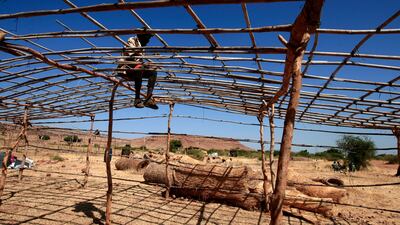
An Ethiopian refugee sets up a tent in a camp in the town of Gedaref, Sudan, after being transported from the border reception centre. -
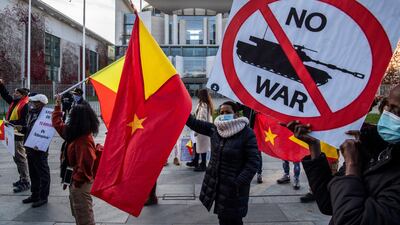
Pro-Tigrayan demonstrators display placards during a protest in front of the chancellery in Berlin. -
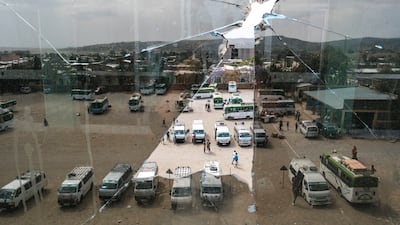
The aftermath of heavy shelling in Wukro, a city north of Mekele, in Ethiopia.


Hopes for imminent peace talks between Prime Minister Abiy Ahmed's government and the Tigray People's Liberation Front, the party that controls Tigray, are fading, as both parties accuse the other of not wanting to come to the table.
The government said earlier this month it wants talks "with no preconditions", while Tigray's government has called for the restoration of services to civilians first.
The fighting has displaced millions of people, pushed parts of Tigray into famine conditions and killed thousands of civilians.
The World Health Organisation's director general, Tedros Adhanom Ghebreyesus, who is from Tigray, suggested this week that racism was behind a lack of international attention being paid to the plight of civilians in the region.

