There is much less traffic on the streets of Sudan’s capital these days.
Gone are Khartoum’s notorious rush-hour traffic jams. Also gone are the long queues that have for years characterised the city’s petrol stations.
Cause for celebration? Hardly.
Petrol prices have more than doubled in the nine months since the military seized power in Sudan ― from 310 pounds ($0.67) a litre to 760 now ― forcing car owners to buy less petrol and cut down on the use of their vehicles.
Carpooling and communal taxis are becoming the preferred mode of transport for car owners.
And that is only one aspect of a deepening, multitiered economic crisis that has racked this impoverished Afro-Arab nation since a coup on October 25, testing the storied resilience of its 44 million people.
Sudan is not new to economic crises, having endured many since independence in 1956, but this one, say many Sudanese, is by some distance the worst.
“Things have reached a dangerous point and maybe heading towards an explosion,” said Mohammed Bakry, a businessman and father of three from Khartoum.
“You can endure a great deal, but not hunger.”
Ironically, the economy was finally showing signs of recovery in the weeks before the coup, thanks to inflows of western aid and an ambitious austerity programme that lifted subsidies from basic items.
Moreover, the coup has mired Sudan in an intractable political crisis. It has derailed a fragile democratic transition that began soon after the April 2019 removal of dictator Omar Al Bashir.
It also led to the suspension by the West of billions of dollars’ worth of aid and debt forgiveness desperately needed to overhaul an economy that has been ailing for decades.
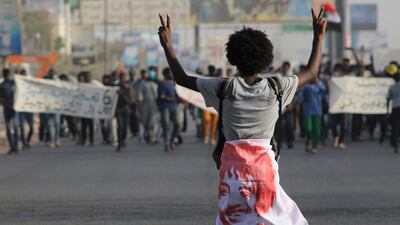
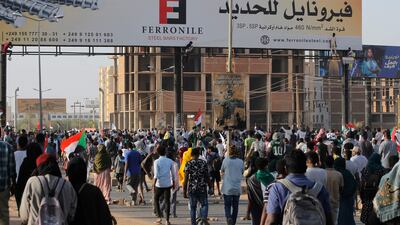
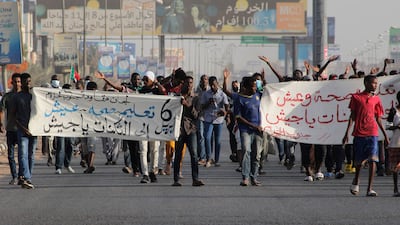
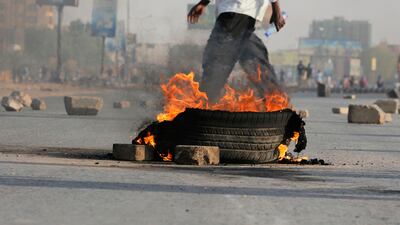
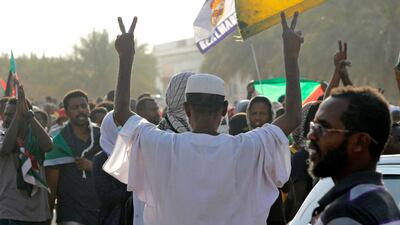
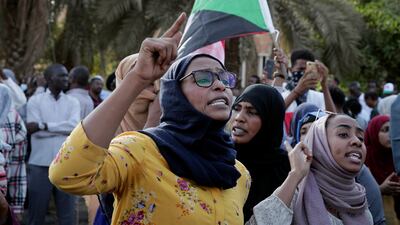
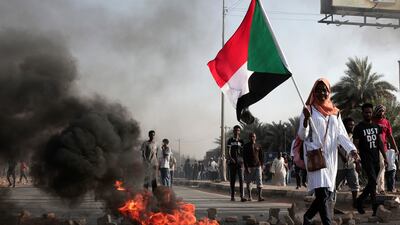
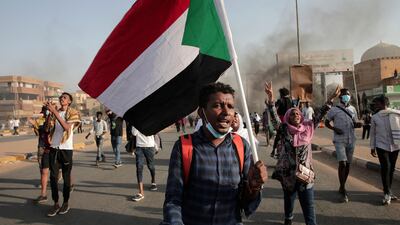
The power grab also triggered a destabilising wave of street protests similar to those that forced Al Bashir’s generals to remove him three years ago. At least 115 protesters have been killed and up to 6,000 injured in the post-coup protests.
Led by army chief Gen Abdel Fattah Al Burhan, the military has so far resisted calls by the opposition to step aside and allow a civilian-led democratic transition to proceed.
For its part, the opposition is refusing to negotiate directly with the military, insisting that the generals step down and be held accountable for the killing of protesters since October.
With no sign of an imminent political breakthrough, economic hardship casts a dark shadow on the lives of millions of Sudanese who face a daily grind to meet their basic needs as soaring crime rates, chiefly theft, add another layer to the suffering.
Adding insult to injury, authorities have suspended “Thamarat”, an EU-backed subsidy system introduced by the civilian-led government toppled last October. The programme provided poor families with small cash subsidies to help them cope with the rising prices caused by economic reforms.
The tell-tale signs of an acute economic crisis are evident wherever you look in Khartoum.
The state-subsidised bread that costs five pounds a loaf, for example, is no longer available, forcing many to buy the much more expensive free market variety that sells for 50 pounds a loaf.
Many Sudanese households now bake their own bread, a traditional staple, consume less or eat homemade substitutes made from corn, which is cheaper than wheat flour, but only marginally.
The Sudanese pound since October has depreciated against the US dollar, which now costs 570 pounds compared with 430 on the eve of the coup.
The key traditional exports of livestock and agricultural products are sharply down, mainly because of the high cost of fuel and scarcity of imported production materials.
Inflation is in three digits at more than 200 per cent. Recent falls in inflation and the balance of payments’ deficit, according to Sudanese economist Abdel Wahab Gomaa, were caused by the economic recession, not recovery.
“Sudan has been gripped by a steadily worsening economic crisis since 2018. It got worse after Al Bashir’s removal, then during the reforms introduced by the transitional government and finally after last year’s coup,” Mr Gomaa said.
Many families in Khartoum say they are able to make ends meet only because of the financial assistance they receive from relatives or friends who work or live outside Sudan, particularly in the Gulf region or Europe.
In an indication of the despair felt by many, Khartoum has recently been awash with stories of moneyed families packing and leaving the country in search of an easier life, or maybe just less hard, in places such as Egypt or Turkey.
Those with less money at their disposal, the capital’s residents say, are selling their homes or renting them and leaving Sudan to start new lives elsewhere.
Painting an even grimmer picture of what is in store for the people of Sudan, the UN has recently warned that the number of Sudanese who will face acute hunger will more than double, to 18 million, by September.
With food becoming more and more scarce and less affordable, more people in Sudan are being pushed deeper into poverty and hunger, said a report by two UN agencies: The Food and Agriculture Organisation and World Food Programme.
“My salary is about 100,000 pounds, but I spend close to 300,000 to meet my family’s needs,” said private sector employee Mudather Mohammed Ahmed. “I buy things on credit and I borrow from relatives. But even then we have done away with so many things we used to have.”
Mother of four Wegdan Bouriqaa may be less unfortunate.
“There is no longer a correlation between salaries and what is realistically needed to survive in Sudan,” said the government employee who has recently taken up online sales to supplement her income.
“Our salaries [hers and her husband’s] cover about 30 per cent of our living costs,” she said. “We get some help from relatives in the Gulf. Rarely cash, but things that help, like clothes, stationary, school bags.”
Is she thinking of leaving Sudan?
“We are looking at Turkey. Thinking of Ankara, not Istanbul. I am just looking for safety for me and my family.”

Why it pays to compare
A comparison of sending Dh20,000 from the UAE using two different routes at the same time - the first direct from a UAE bank to a bank in Germany, and the second from the same UAE bank via an online platform to Germany - found key differences in cost and speed. The transfers were both initiated on January 30.
Route 1: bank transfer
The UAE bank charged Dh152.25 for the Dh20,000 transfer. On top of that, their exchange rate margin added a difference of around Dh415, compared with the mid-market rate.
Total cost: Dh567.25 - around 2.9 per cent of the total amount
Total received: €4,670.30
Route 2: online platform
The UAE bank’s charge for sending Dh20,000 to a UK dirham-denominated account was Dh2.10. The exchange rate margin cost was Dh60, plus a Dh12 fee.
Total cost: Dh74.10, around 0.4 per cent of the transaction
Total received: €4,756
The UAE bank transfer was far quicker – around two to three working days, while the online platform took around four to five days, but was considerably cheaper. In the online platform transfer, the funds were also exposed to currency risk during the period it took for them to arrive.
SPEC%20SHEET%3A%20APPLE%20IPHONE%2015%20PRO%20MAX
%3Cp%3E%3Cstrong%3EDisplay%3A%3C%2Fstrong%3E%206.7%22%20Super%20Retina%20XDR%20OLED%2C%202796%20x%201290%2C%20460ppi%2C%20120Hz%2C%202000%20nits%20max%2C%20HDR%2C%20True%20Tone%2C%20P3%2C%20always-on%3C%2Fp%3E%0A%3Cp%3E%3Cstrong%3EProcessor%3A%3C%2Fstrong%3E%20A17%20Pro%2C%206-core%20CPU%2C%206-core%20GPU%2C%2016-core%20Neural%20Engine%3C%2Fp%3E%0A%3Cp%3E%3Cstrong%3EMemory%3A%3C%2Fstrong%3E%208GB%3C%2Fp%3E%0A%3Cp%3E%3Cstrong%3ECapacity%3A%3C%2Fstrong%3E%20256%2F512GB%20%2F%201TB%3C%2Fp%3E%0A%3Cp%3E%3Cstrong%3EPlatform%3A%3C%2Fstrong%3E%20iOS%2017%3C%2Fp%3E%0A%3Cp%3E%3Cstrong%3EMain%20camera%3A%3C%2Fstrong%3E%20Triple%3A%2048MP%20main%20(f%2F1.78)%20%2B%2012MP%20ultra-wide%20(f%2F2.2)%20%2B%2012MP%205x%20telephoto%20(f%2F2.8)%3B%205x%20optical%20zoom%20in%2C%202x%20optical%20zoom%20out%3B%2010x%20optical%20zoom%20range%2C%20digital%20zoom%20up%20to%2025x%3B%20Photonic%20Engine%2C%20Deep%20Fusion%2C%20Smart%20HDR%204%2C%20Portrait%20Lighting%3C%2Fp%3E%0A%3Cp%3E%3Cstrong%3EMain%20camera%20video%3A%3C%2Fstrong%3E%204K%20%40%2024%2F25%2F30%2F60fps%2C%20full-HD%20%40%2025%2F30%2F60fps%2C%20HD%20%40%2030fps%2C%20slo-mo%20%40%20120%2F240fps%2C%20ProRes%20(4K)%20%40%2060fps%3B%20night%2C%20time%20lapse%2C%20cinematic%2C%20action%20modes%3B%20Dolby%20Vision%2C%204K%20HDR%3C%2Fp%3E%0A%3Cp%3E%3Cstrong%3EFront%20camera%3A%3C%2Fstrong%3E%2012MP%20TrueDepth%20(f%2F1.9)%2C%20Photonic%20Engine%2C%20Deep%20Fusion%2C%20Smart%20HDR%204%2C%20Portrait%20Lighting%3B%20Animoji%2C%20Memoji%3C%2Fp%3E%0A%3Cp%3E%3Cstrong%3EFront%20camera%20video%3A%3C%2Fstrong%3E%204K%20%40%2024%2F25%2F30%2F60fps%2C%20full-HD%20%40%2025%2F30%2F60fps%2C%20slo-mo%20%40%20120%2F240fps%2C%20ProRes%20(4K)%20%40%2030fps%3B%20night%2C%20time%20lapse%2C%20cinematic%2C%20action%20modes%3B%20Dolby%20Vision%2C%204K%20HDR%3C%2Fp%3E%0A%3Cp%3E%3Cstrong%3EBattery%3A%3C%2Fstrong%3E%204441mAh%2C%20up%20to%2029h%20video%2C%2025h%20streaming%20video%2C%2095h%20audio%3B%20fast%20charge%20to%2050%25%20in%2030min%20(with%20at%20least%2020W%20adaptor)%3B%20MagSafe%2C%20Qi%20wireless%20charging%3C%2Fp%3E%0A%3Cp%3E%3Cstrong%3EConnectivity%3A%3C%2Fstrong%3E%20Wi-Fi%2C%20Bluetooth%205.3%2C%20NFC%20(Apple%20Pay)%2C%20second-generation%20Ultra%20Wideband%20chip%3C%2Fp%3E%0A%3Cp%3E%3Cstrong%3EBiometrics%3A%3C%2Fstrong%3E%20Face%20ID%3C%2Fp%3E%0A%3Cp%3E%3Cstrong%3EI%2FO%3A%3C%2Fstrong%3E%20USB-C%3C%2Fp%3E%0A%3Cp%3E%3Cstrong%3EDurability%3A%3C%2Fstrong%3E%20IP68%2C%20water-resistant%20up%20to%206m%20up%20to%2030min%3B%20dust%2Fsplash-resistant%3C%2Fp%3E%0A%3Cp%3E%3Cstrong%3ECards%3A%3C%2Fstrong%3E%20Dual%20eSIM%20%2F%20eSIM%20%2B%20eSIM%20(US%20models%20use%20eSIMs%20only)%3C%2Fp%3E%0A%3Cp%3E%3Cstrong%3EColours%3A%3C%2Fstrong%3E%20Black%20titanium%2C%20blue%20titanium%2C%20natural%20titanium%2C%20white%20titanium%3C%2Fp%3E%0A%3Cp%3E%3Cstrong%3EIn%20the%20box%3A%20%3C%2Fstrong%3EiPhone%2015%20Pro%20Max%2C%20USB-C-to-USB-C%20woven%20cable%2C%20one%20Apple%20sticker%3C%2Fp%3E%0A%3Cp%3E%3Cstrong%3EPrice%3A%3C%2Fstrong%3E%20Dh5%2C099%20%2F%20Dh5%2C949%20%2F%20Dh6%2C799%3C%2Fp%3E%0A
Winners
Ballon d’Or (Men’s)
Ousmane Dembélé (Paris Saint-Germain / France)
Ballon d’Or Féminin (Women’s)
Aitana Bonmatí (Barcelona / Spain)
Kopa Trophy (Best player under 21 – Men’s)
Lamine Yamal (Barcelona / Spain)
Best Young Women’s Player
Vicky López (Barcelona / Spain)
Yashin Trophy (Best Goalkeeper – Men’s)
Gianluigi Donnarumma (Paris Saint-Germain and Manchester City / Italy)
Best Women’s Goalkeeper
Hannah Hampton (England / Aston Villa and Chelsea)
Men’s Coach of the Year
Luis Enrique (Paris Saint-Germain)
Women’s Coach of the Year
Sarina Wiegman (England)
LIKELY TEAMS
South Africa
Faf du Plessis (captain), Dean Elgar, Aiden Markram, Hashim Amla, AB de Villiers, Quinton de Kock (wkt), Vernon Philander, Keshav Maharaj, Kagiso Rabada, Morne Morkel, Lungi Ngidi.
India (from)
Virat Kohli (captain), Murali Vijay, Lokesh Rahul, Cheteshwar Pujara, Rohit Sharma, Ajinkya Rahane, Hardik Pandya, Dinesh Karthik (wkt), Ravichandran Ashwin, Bhuvneshwar Kumar, Ishant Sharma, Mohammad Shami, Jasprit Bumrah.
Getting there
Flydubai flies direct from Dubai to Tbilisi from Dh1,025 return including taxes
Apple product price list
iPad Pro
11" - $799 (64GB)
12.9" - $999 (64GB)
MacBook Air
$1,199
Mac Mini
$799
Company%C2%A0profile
%3Cp%3ECompany%3A%20Zywa%3Cbr%3EStarted%3A%202021%3Cbr%3EFounders%3A%20Nuha%20Hashem%20and%20Alok%20Kumar%3Cbr%3EBased%3A%20UAE%3Cbr%3EIndustry%3A%20FinTech%3Cbr%3EFunding%20size%3A%20%243m%3Cbr%3ECompany%20valuation%3A%20%2430m%3C%2Fp%3E%0A
More from Neighbourhood Watch:
BRIEF SCORES
England 228-7, 50 overs
N Sciver 51; J Goswami 3-23
India 219, 48.4 overs
P Raut 86, H Kaur 51; A Shrubsole 6-46
England won by nine runs
Ten tax points to be aware of in 2026
1. Domestic VAT refund amendments: request your refund within five years
If a business does not apply for the refund on time, they lose their credit.
2. E-invoicing in the UAE
Businesses should continue preparing for the implementation of e-invoicing in the UAE, with 2026 a preparation and transition period ahead of phased mandatory adoption.
3. More tax audits
Tax authorities are increasingly using data already available across multiple filings to identify audit risks.
4. More beneficial VAT and excise tax penalty regime
Tax disputes are expected to become more frequent and more structured, with clearer administrative objection and appeal processes. The UAE has adopted a new penalty regime for VAT and excise disputes, which now mirrors the penalty regime for corporate tax.
5. Greater emphasis on statutory audit
There is a greater need for the accuracy of financial statements. The International Financial Reporting Standards standards need to be strictly adhered to and, as a result, the quality of the audits will need to increase.
6. Further transfer pricing enforcement
Transfer pricing enforcement, which refers to the practice of establishing prices for internal transactions between related entities, is expected to broaden in scope. The UAE will shortly open the possibility to negotiate advance pricing agreements, or essentially rulings for transfer pricing purposes.
7. Limited time periods for audits
Recent amendments also introduce a default five-year limitation period for tax audits and assessments, subject to specific statutory exceptions. While the standard audit and assessment period is five years, this may be extended to up to 15 years in cases involving fraud or tax evasion.
8. Pillar 2 implementation
Many multinational groups will begin to feel the practical effect of the Domestic Minimum Top-Up Tax (DMTT), the UAE's implementation of the OECD’s global minimum tax under Pillar 2. While the rules apply for financial years starting on or after January 1, 2025, it is 2026 that marks the transition to an operational phase.
9. Reduced compliance obligations for imported goods and services
Businesses that apply the reverse-charge mechanism for VAT purposes in the UAE may benefit from reduced compliance obligations.
10. Substance and CbC reporting focus
Tax authorities are expected to continue strengthening the enforcement of economic substance and Country-by-Country (CbC) reporting frameworks. In the UAE, these regimes are increasingly being used as risk-assessment tools, providing tax authorities with a comprehensive view of multinational groups’ global footprints and enabling them to assess whether profits are aligned with real economic activity.
Contributed by Thomas Vanhee and Hend Rashwan, Aurifer
The End of Loneliness
Benedict Wells
Translated from the German by Charlotte Collins
Sceptre
LIVERPOOL%20TOP%20SCORERS
%3Cp%3E(Premier%20League%20only)%3Cbr%3EMohamed%20Salah%20129%3Cbr%3ERobbie%20Fowler%20128%3Cbr%3ESteven%20Gerrard%20120%3Cbr%3EMichael%20Owen%20118%3Cbr%3ESadio%20Mane%2090%3Cbr%3E%3C%2Fp%3E%0A
KILLING OF QASSEM SULEIMANI
The Bio
Favourite holiday destination: Either Kazakhstan or Montenegro. I’ve been involved in events in both countries and they are just stunning.
Favourite book: I am a huge of Robin Cook’s medical thrillers, which I suppose is quite apt right now. My mother introduced me to them back home in New Zealand.
Favourite film or television programme: Forrest Gump is my favourite film, that’s never been up for debate. I love watching repeats of Mash as well.
Inspiration: My late father moulded me into the man I am today. I would also say disappointment and sadness are great motivators. There are times when events have brought me to my knees but it has also made me determined not to let them get the better of me.