

Lebanon has announced details of a long-awaited ration card that it hopes will help up to half a million of its poorest families cope with the country's economic crisis.
Economy and Trade Minister Raoul Nehme said on Thursday that the card, providing $25 per person and up to $126 per family, would benefit those “that really need support”.
Registrations will be open from September 15 until October 31, with those applying for the card required to fill out an online form.
-
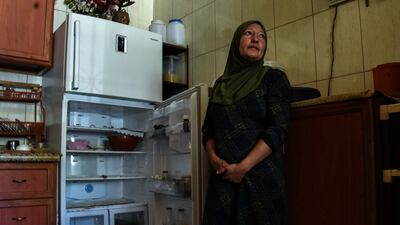
Rweida Mohammed stands next to her almost empty fridge that is warm inside due to prolonged power cuts. Elizabeth Fitt for The National -
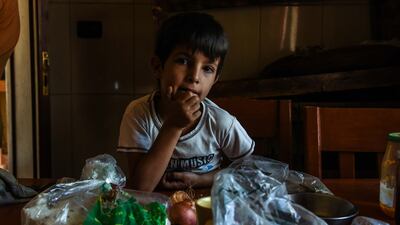
Hamid Khodor sits despondently in the kitchen. There is no electricity to keep food fresh in the fridge and freezer, no cooking gas for the stove and not much to eat except what the family can grow in the garden. Elizabeth Fitt for The National -

The Khodor family is relying on homegrown vegetables. Elizabeth Fitt for The National -
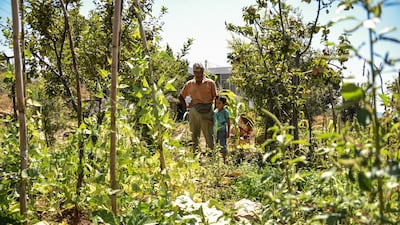
Talal Khodor with his son, Omar, in their vegetable garden. The family is relying on homegrown vegetables to feed themselves during Lebanon's economic collapse. Elizabeth Fitt for The National -
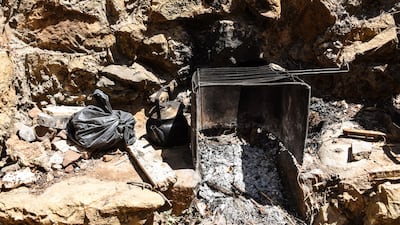
Rweida Mohammed uses a makeshift grill to cook for the family. Since gas for the kitchen stove became so scarce in Lebanon, the family can't get hold of any. Elizabeth Fitt for The National -
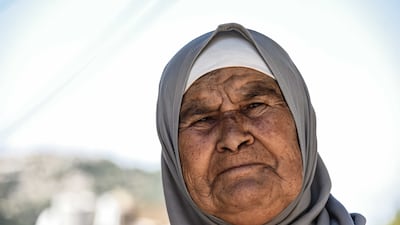
Talal Khodor's mother is frustrated by the ongoing situation. Elizabeth Fitt for The National -
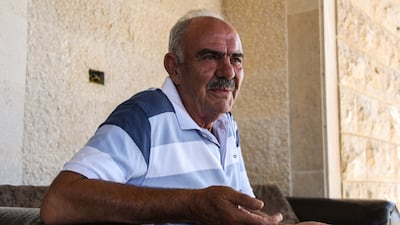
There are few options left to help Mohammed Hazim provide for his family. Elizabeth Fitt for The National -
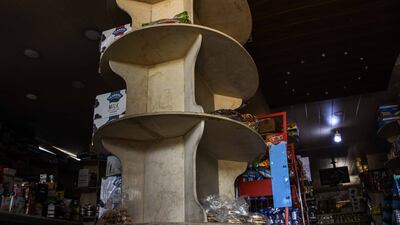
Shelves that usually display bread have been empty for days in the village store. Elizabeth Fitt for The National -

Mohammed Hazim's son, Ziad, waits for his exam results. He had to study using his father's mobile phone. Elizabeth Fitt for The National -
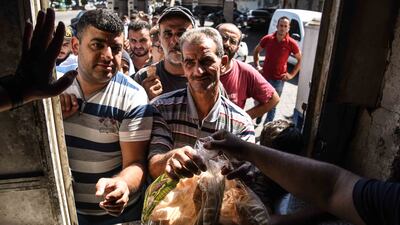
People queue for bread as shortages continue. Elizabeth Fitt for The National -
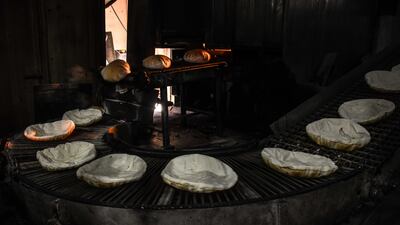
The manager at Tarik Al Ridani bakery says it is one of only two producers still operational in the city and with two tonnes of flour left, it will soon run out of bread. Elizabeth Fitt for The National -
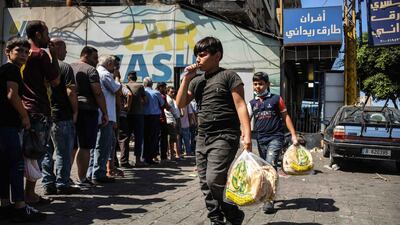
These boys are among the lucky few that have found bread before stocks run out. Elizabeth Fitt for The National -

Ogero, Lebanon's state-run telecoms provider, has a mast in Hrar, but connection speeds are often very slow. Elizabeth Fitt for The National


Mr Nehme said the card would be targeted at the country’s poorest and most vulnerable.
“Our goal is to exclude the affluent, so we will ask for information, including ID numbers, passports and banks accounts — we will verify all information,” he said.
Speaking at the launch, Ramzi Musharrafieh, minister of social affairs, said: “The card is not an electoral card."
Mr Musharrafieh said that the payments would be in dollars or at the market rate for Lira. Yet it remained unclear exactly how the card will be funded.
Mr Nehme said that an external auditor, approved by the World Bank, would be brought in to oversee the initiative.
Officials had said the funding would come from the World Bank. But Mr Musharrafieh later said that initial funding would come from central bank reserves, with the hope it may later be reimbursed.
A spokesman for the World Bank did not immediately respond for comment.
The plan has long been mooted as a replacement for blanket subsidies on essential goods. With subsidy cuts in recent months, the demand for some sort of safety net for the country’s poorest families has grown.
Families paying more than $3,500 in annual rent, employing a domestic worker or owning more than two cars registered within the last three years would be among those excluded from the programme.
In June, the Lebanese parliament approved the one-year $556m ration card scheme for half a million families. It was expected to pay out an average of $93 per family. But the law did not specify where the funding might come from.
Lebanon is in the grip of an economic crisis. A recent UN report said 78 per cent of the population is now living in poverty. Subsidy cuts have caused the cost of staples such as fuel and bread to jump to levels unaffordable for many.

