Hundreds of women in saris shine at Royal Ascot Ladies' Day - in pictures
-
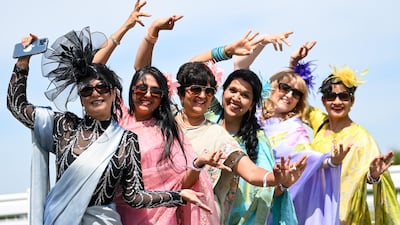
Hundreds of racegoers wearing saris attended Royal Ascot's Ladies' Day. All photos: Getty Images -

The initiative by a group of women was held to help promote artisans who lost their income during the Covid-19 pandemic. -

Some of the attendees in their colourful saris. -

The five-day Royal Ascot is Britain's most valuable horse racing meet. -

Ladies' Day, although it's not officially known as that, takes place on day three of the five-day event, which is also the day the most prestigious race is held — the Gold Cup. -

Britain's royal family members including Zara Tindall, her mother Princess Anne, and Sophie, the Countess of Wessex, joined racegoers on the day when hats, fascinators and elaborate headgear took centre stage. -

It is believed that the third day of Royal Ascot was first referred to as Ladies' Day in 1823, after an anonymous poet described it as a day "when the women, like angels, look sweetly divine". -

Dipti Jain, a doctor with the UK's National Health Service, who was behind the sari initiative, said she came up with the idea so women could show pride in their heritage and celebrate the creations of weavers. -

Most women for the sari initiative came from Britain but some flew in from other countries, including India, organisers said. -
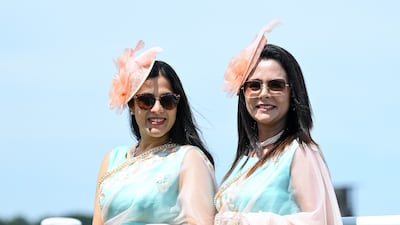
Ladies turned out in force dressed in array of colours. -

The women who were part of the sari initiate were mostly made up of healthcare workers. -

An attendee in a black sari with matching fascinator. -

Another racegoer in her outfit. -

Saris featured various themes ranging from healthcare workers to characters from the Indian epic, the 'Mahabharata'. -

A racegoers wearing a sari poses for photographs. -

Some of the saris were specially made for the day.


Most popular today

