


Pharmaceutical firms Moderna and Merck have said that a new personalised mRNA cancer vaccine has shown promising results in trials, with other scientists describing the work as “very exciting”.
Personalised vaccines are designed to prime the immune system so the body can generate a response based on a specific type of cancer tumour.
The new vaccine under development uses the same mRNA technology that was used in Covid-19 vaccines from Moderna and Pfizer.
Experts from the Institute of Cancer Research in London described the result as “exciting” and said such vaccines showed great potential in improving cancer treatment.
Moderna and Merck said the vaccine — mRNA-4157/V940 — when combined with the drug Keytruda, led to a 44 per cent reduction in the risk of cancer returning or death compared to Keytruda alone in patients with stage three and four melanoma.
They said the results are the first demonstration of effectiveness in a randomised clinical trial.
World Cancer Day 12 celebrities opened up about having the disease — in pictures
-

Actress Sofia Vergara had thyroid cancer when she was 28 years old. AFP -
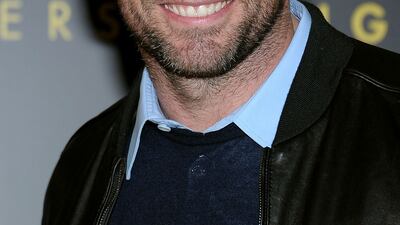
Hugh Jackman has been diagnosed with basal cell carcinoma, a malignant type of skin cancer, several times. AFP -

US comedian Kathy Griffin was recently declared cancer free after having half her left lung removed. RB/Bauer-Griffin/GC Images -

Michael C Hall had Hodgkin's lymphoma while filming hit TV series 'Dexter'. AFP -

Former NBA star Kareem Abdul-Jabbar has had both prostate cancer and chronic myeloid leukemia. AFP -
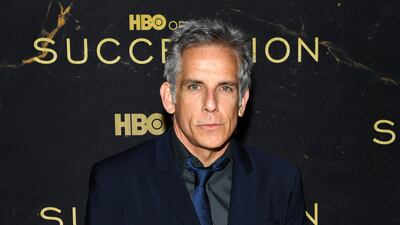
Actor Ben Stiller was treated for prostate cancer in 2014. AFP -

Bollywood actress Sonali Bendre had metastatic cancer in her abdomen. AFP -

Nepalese actress Manisha Koirala had ovarian cancer in 2012. AFP -

British TV personality Sharon Osbourne was diagnosed with colon cancer in 2002, and also had a double mastectomy in 2012 after finding out she had the gene that increases risk of getting breast cancer. AFP -

Khloe Kardashian has been treated for skin cancer in the past. AFP -

Lebanese singer Elissa has famously discussed her journey with breast cancer. AFP -
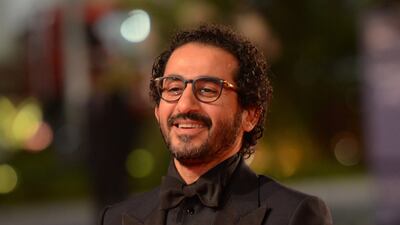
Egyptian actor Ahmed Helmy underwent treatment for cancer while his wife, Mona Zaki, was pregnant with their child. AFP -

From left: Ahmed Helmy, Khloe Kardashian and Manisha Koirala have all opened up about their cancer journeys. Photos: Front Row, AP Photo, AFP


The firms will now approach regulators with the results and will launch a third-stage trial as well as “rapidly” expand the drug to treat other types of cancer.
“Today’s results are highly encouraging for the field of cancer treatment — mRNA has been transformative for Covid-19 and now, for the first time ever, we have demonstrated the potential for mRNA to have an impact on outcomes in a randomised clinical trial in melanoma,” said Stephane Bancel, Moderna’s chief executive.
“We will begin additional studies in melanoma and other forms of cancer with the goal of bringing truly individualised cancer treatments to patients.
“We look forward to publishing the full data set and sharing the results at an upcoming oncology medical conference, as well as with health authorities.”
Products that contain cancer-causing chemical — in pictures
-

Many dry shampoos contain benzene, a carcinogen known to cause cancer, according to tests carried out by independent US lab Valisure. Photo: Unsplash -

Last year, Valisure raised the alarm about benzene levels in hand sanitisers, body sprays and sunscreens, several of which were also recalled. Photo: Getty -

In 2021, several brands of sun cream were found to contain unsafe levels of benzene. Photo: Getty -

Some deodorants brands have also been found to contain benzene. Photo: Getty -

Studies have revealed that women who have used hair straightening chemicals, or relaxers, may be at higher risk of developing uterine cancer. Photo: Getty -

Some studies show a link between the chemicals in certain hair dyes and cancer. But it has been found that the risk is probably low in people who colour their hair from time to time. People who work with dye all day long, are at a greater risk. Photo: Getty


The mRNA-4157/V940 treatment is designed to stimulate an immune response using T cells based on the unique mutational make-up of a patient’s tumour.
Keytruda is an immunotherapy that works by increasing the ability of the body’s immune system to help detect and fight cancer cells.
Alan Melcher, professor of translational immunotherapy at the Institute of Cancer Research and honorary consultant oncologist at the Royal Marsden NHS Foundation Trust, said: “There’s no question, this is very exciting.
“These results show the feasibility of making and delivering personalised vaccines to treat cancer, and that the vaccine can add benefit to current treatments.”
He added that the results establish the principle that this complex technology is “doable”, though he cautioned it is still early days.
“The trial is relatively small and the benefits of vaccines against melanoma and potentially other cancers need to be further tested in larger trials and other cancer types,” Dr Melcher continued.
“It will also be important to see if the vaccine did indeed generate an immune response against the tumour, which I anticipate will be tested using tissue and blood samples collected from patients in this study.”
Hidden nitrates found in processed foods — in pictures
-

An average hot dog sausage contains about 50 micrograms of nitrates per 100g of meat. Photo: AFP -

Bacon is incredibly high in both nitrites and nitrates, with up to 380 mcg of nitrates per five rashers. Photo: AFP -

Deli meats such as salami, pastrami and prosciutto are a major source of harmful nitrates. Photo: Reuters -

Although nitrates have been removed by the smoking process of many brands, some smoked salmon still contains high levels of sodium nitrates. Photo: Boa


“This is the first time we’ve seen a personalised cancer vaccine, together with standard of care immunotherapy, reduce the chances of cancer coming back in patients with early stages of skin cancer,” said Juanita Lopez, clinical researcher at the Institute of Cancer Research and consultant medical oncologist at the Royal Marsden.
“The findings are exciting and open the door for further trials in melanoma, as well as other types of cancer.
“By leveraging the power of the immune system to specifically spot, recognise and destroy cancer cells, these personalised cancer vaccines hold great potential for improving cancer treatment outcomes.”

