

Follow the latest updates on the Covid-19 pandemic here
Saudi Arabia will lift travel restrictions from the UAE, South Africa and Argentina on Wednesday morning, the kingdom's Interior Ministry has announced.
As of 11am, the three countries are no longer on Saudi Arabia's red list meaning that people can travel to and from those destinations.
The Interior Ministry announcement on Tuesday night came after an evaluation of the Covid-19 situation, state media reported.
The change comes as part of a relaxation in coronavirus measures in the kingdom, such as allowing vaccinated residents to return to Saudi Arabia, even from red-list countries.
Saudi Arabia banned travel to the UAE on July 4 because of a surge in Covid-19 cases but the kingdom reassesses its red list of countries regularly and has been removing those with an improving coronavirus situation. Riyadh was concerned about the rapid spread of the more contagious Delta variant.
Saudis expressed joy at the prospect of being able to travel to the UAE. Saudi Arabia was the second-biggest source of tourists to Dubai in 2020 after India, Dubai Tourism said.
“This is the best news for me, personally," Mansour Al Saadi, a Saudi citizen living in Riyadh told The National. "I had crucial business in Dubai and had to fly out the day Saudi Arabia announced the ban. I remember leaving my apartment and a few belongings there within hours of the announcement. I’m going to fly out this weekend.”
-
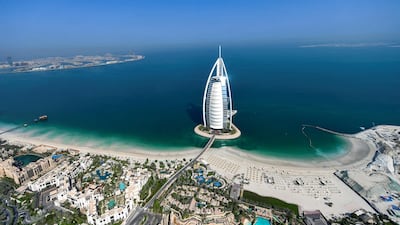
At 321 metres, the Burj Al Arab in Dubai is one of the world's tallest hotels. AFP -
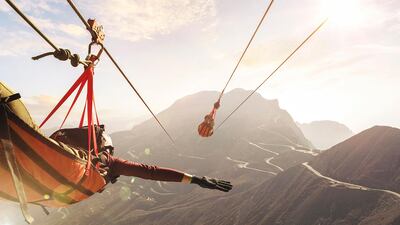
For the thrill-seeking tourist, Ras Al Khaimah is home to the world's longest zip-line, at Toroverde Adventure Park on Jebel Jais, the UAE's highest peak. RAK Tourism -

For sheer spectacle, Dubai is home to many of the Middle East's tallest buildings. Reem Mohammed / The National -

The Ruler of Sharjah, Sheikh Dr Sultan bin Muhammad Al Qasimi, has been at the heart of efforts to restore Khor Fakkan’s heritage buildings. Here is a view of the city at sunset from the Burj Rabi, a traditional guard tower erected to keep watch over the city of old. Antonie Robertson/The National -
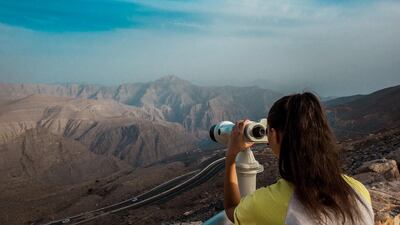
Jebel Jais in Ras Al Khaimah, the UAE's highest peak. RAK Tourism Authority -
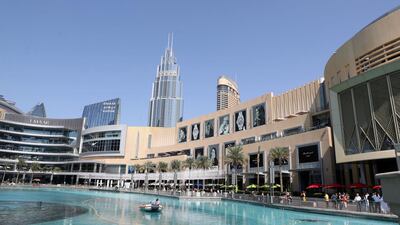
Dubai Mall, a draw for millions of tourists where shopping becomes spectacle. Chris Whiteoak / The National -
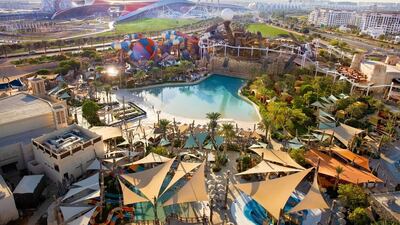
A visit to Yas Island in Abu Dhabi with its many themed attractions can involve Yas Waterworld. Yas Island -
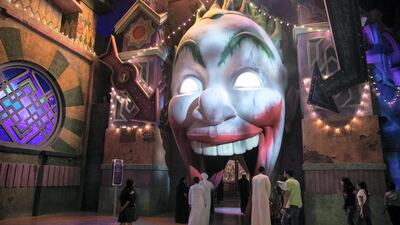
Warner Bros World Abu Dhabi on Yas Island brings big screen themes to life for visitors. Reem Mohammed / The National -

Abu Dhabi is rich in natural heritage. Kayakers at the Eastern Mangroves area. Victor Besa/The National -

Sheikh Zayed Grand Mosque in Abu Dhabi, the largest place of worship in the UAE and a symbol that demonstrates the diversity of the Islamic world. Ryan Carter / The National -
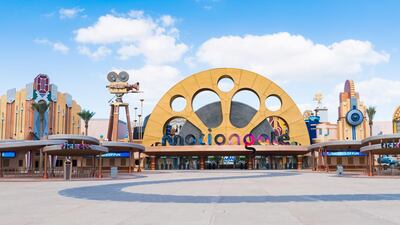
Dubai Parks and Resorts' Motiongate Dubai attraction. Dubai Parks and Resorts -

Legoland Water Park, one of several parks at Dubai Parks and Resorts, recently reopened at weekends. Dubai Parks and Resorts -
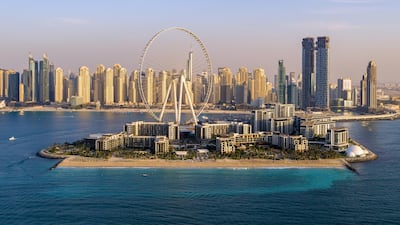
Caesars Bluewaters Dubai island resort. Caesars Bluewaters Dubai -
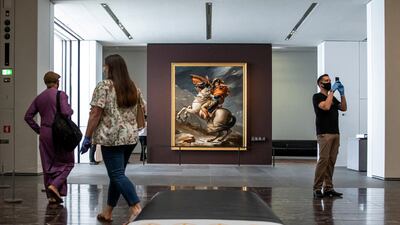
Louvre Abu Dhabi on Saadiyat Island. Victor Besa / The National -
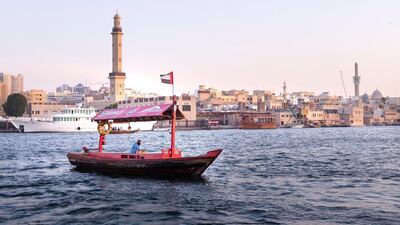
Dubai Creek predates the modern city but grew with and is a tourist destination in its own right. Reem Mohammed / The National -
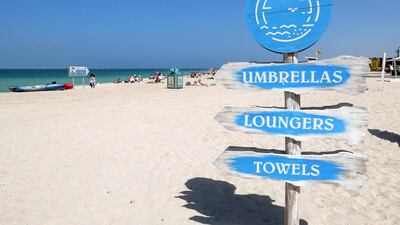
Kite Beach at Umm Suqeim in Dubai. Pawan Singh / The National -

A cityscape from the observation deck of The View at The Palm Jumeirah in Dubai AP -
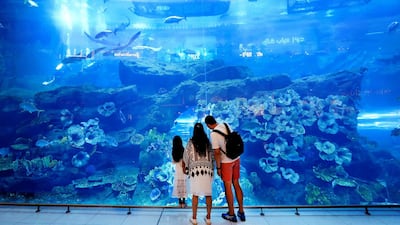
Dubai Aquarium at Dubai Mall. Chris Whiteoak / The National


For others, it meant a welcome break.
“Finally! My friends and I can’t wait to travel to Dubai. We haven’t travelled since the outbreak of the pandemic as we didn’t want to risk being stuck abroad," said Samar Darwish, a Saudi citizen living in Jeddah. "I am going to apply for leave this month. Dubai is my favourite place to be and trust me you’ll see all Saudis rushing there."
The move by the kingdom comes weeks before the start of Expo 2020 – a six-month-long global event involving 191 countries in Dubai that the government hopes will attract millions of visitors.
The world fair, which begins on October 1 with a grand event and runs through to March 2022, is one of the largest international events to take place since the start of the Covid-19 pandemic.
Saudi Arabia's move to allow travel to and from the UAE is the latest in a number of travel changes since the country opened up for the first time in 17 months in July.
At the end of August, a ban on travel from 20 countries, including India, Pakistan and Indonesia, was lifted. The move allowed thousands of expatriate workers to return after being stranded abroad for months.
Coronavirus cases have fallen in the kingdom in recent weeks.
The Health Ministry on Sunday reported 120 new Covid-19 cases, bringing the total number of infections discovered in the country to 545,243.
World's busiest airports 2021 - in pictures
-
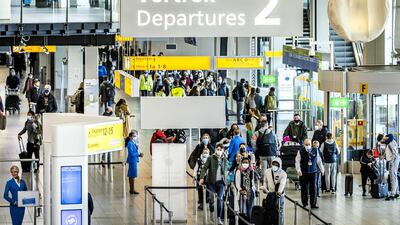
1. Schiphol Airport in Amsterdam. The Netherlands airport has overtaken Dubai as the world's busiest international airport. EPA -
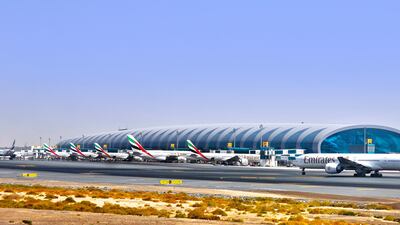
2. Dubai International Airport, UAE. Alamy -

3. Frankfurt Airport, Germany. AP photo -

4. Paris Charles de Gaulle airport, France. Reuters -
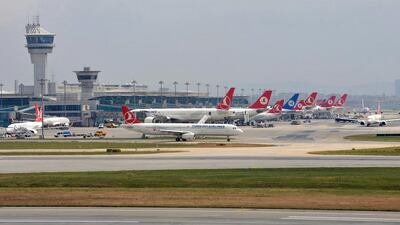
5. Ataturk Airport in Istanbul. Ozan Kose / AFP -
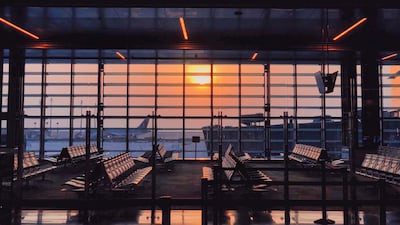
Hamad International Airport, Doha. Unsplash -

7. London Heathrow Airport, UK. Getty -
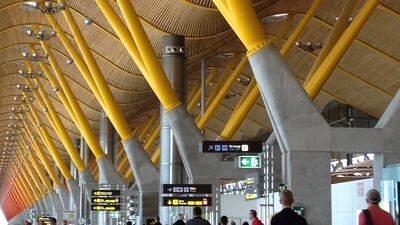
8. Madrid International Airport, Spain. -
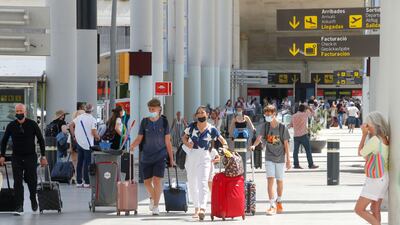
9. Palma de Mallorca Airport in Spain. Reuters -
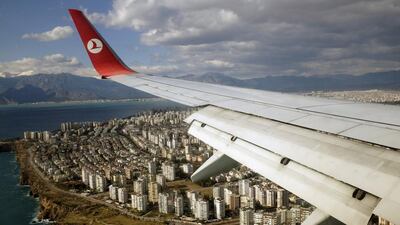
10. Antalya International airport in the Mediterranean resort city of Antalya, Turkey. Reuters



