

Zanzibar on Thursday signed three agreements with Omani companies and government establishments worth over $500 million in what President Hussein Ali Mwinyi called “ventures that tied up historical ties” between the two countries.
During his three-day visit to the Sultanate, Mr Mwinyi addressed local business directors as well as government officials before the signing ceremonies at the Bustan Palace Hotel in Muscat.
“These are the agreements that will cement our historical ties between our two countries,” he said.
“The ventures will also bring the two peoples closer together to work an areas of common concerns.
“Zanzibar and Oman used the trade winds to do businesses and now we are embarking on new technologies to do the same in modern times.”
The agreements included establishing a knowledge transfer centre, a digital infrastructure platform and the setting up of a data park to store both private and public information to facilitate joint business ventures.
Mr Mwinyi also urged delegates to start talks on tourism ventures between the two countries and promised to create a “fruitful environment” for investors in the sector.
-

Nizwa Fort in Nizwa, Oman. All pictures: Victor Besa / The National -
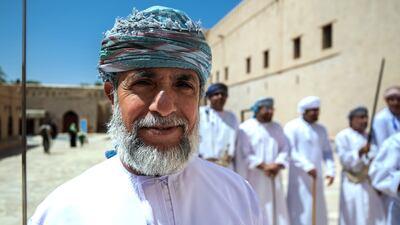
It was built in the 1650s by Imam Sultan Bin Saif Al Ya'rubi. -

It is Oman's most visited national monument. -

Imam Sultan Bin Saif Al Ya'rubi was the second of the Ya'rubi dynasty of imams. -
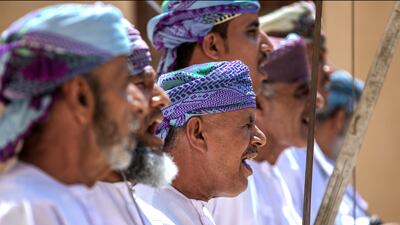
The fort's underlying structure dates back to the 12th century. -
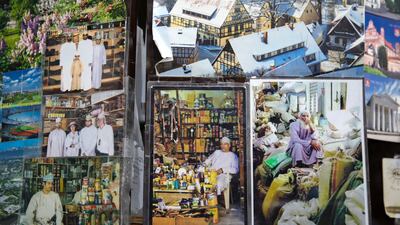
Ahmed bin Abdullah Al Amri Trading. The souq has different parts depending on what you want to shop for. -
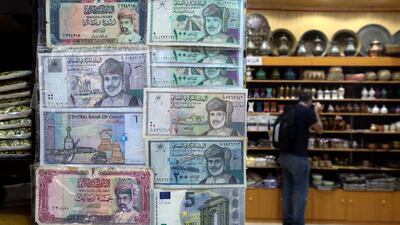
In the mornings you will see locals buying vegetables and meat. The rest of the souq sells unique souvenirs like taqiya caps, lamps and fresh dates. -
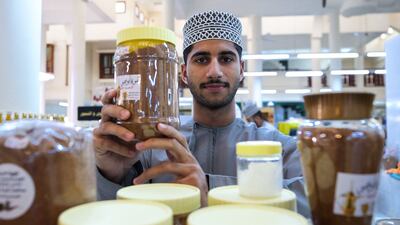
Located near the castle, the souq offers a glimpse of old Oman. -
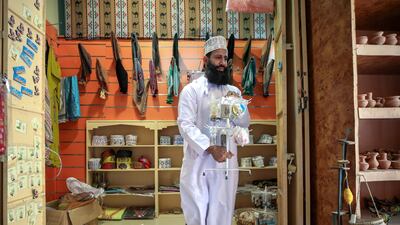
A shop owner brings out his wares. Some sections of the souq have retained its ancient architecture and unrenovated structures. -
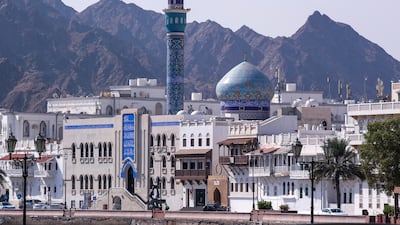
Masjid Al Rasool Al A'dham at Mutrah Fish Market. -
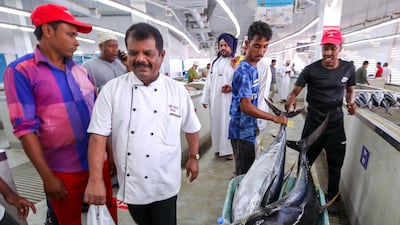
The fish market stretches along the Mutrah waterfront in Muscat. Omani fishermen arrive early to unload, prepare and then sell their day’s catch. -

The Mutrah Souq is located along the corniche in Muscat. -

It is one of the oldest souqs on the Arabian Peninsula. -
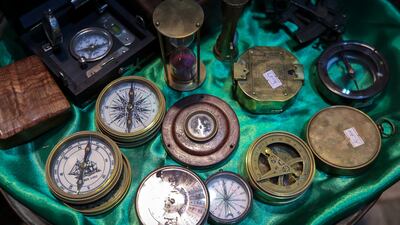
However, the souq was rebuilt in the 1970s. -

Jamal Muhammad Ali Al Balooshi, shopowner at Mutrah Souq. -
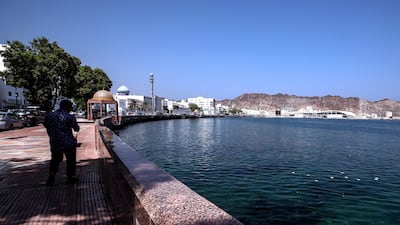
Mutrah Corniche in Muscat. -
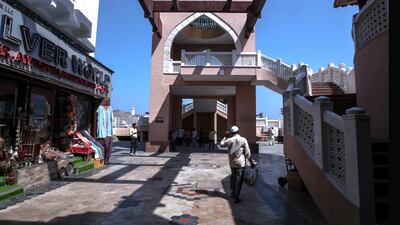
A shopper at Mutrah Souq. -
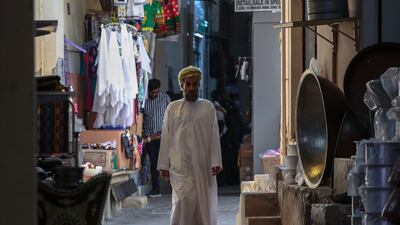
Another person browses at Mutrah Souq. -

Oman's Royal Opera House of Musical Arts in Muscat. -

The 'Oman and the World: A Musical Journey Exhibition' at the opera house. -
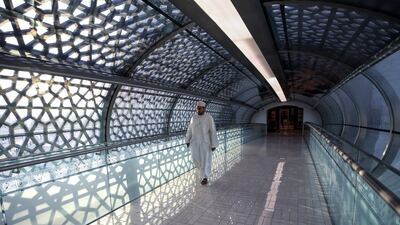
A person looking around the exhibition. -
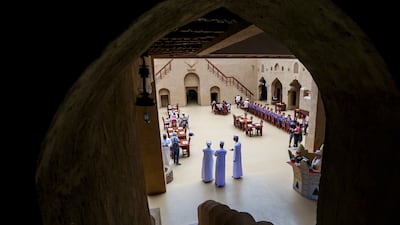
A restaurant that looks like a fort, located along Sultan Qaboos Street in Muscat. -

Mandi, made with Omani samar wood. -
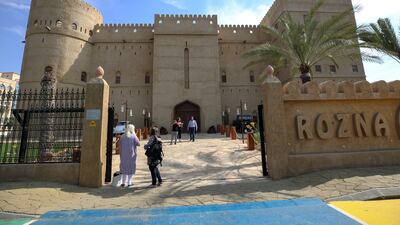
The Rozna restaurant is known for serving the best authentic Omani food in Muscat. -

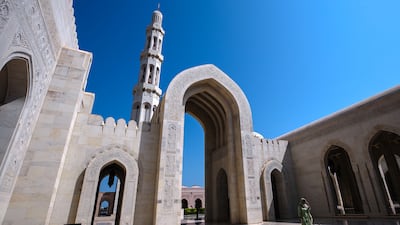
The Sultan Qaboos Grand Mosque in Muscat. The chandelier sits 14 metres above the praying hall. -
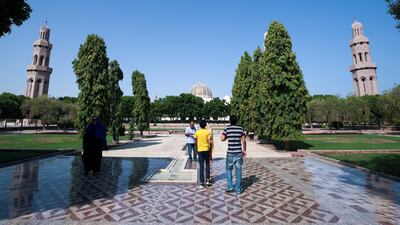
In 1992, Qaboos bin Said Al Said, then Sultan of Oman, ordered the building of the grand mosque. -
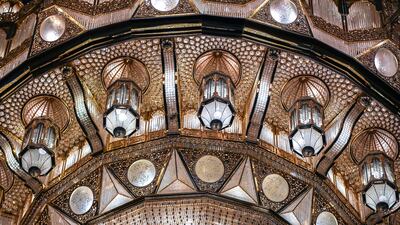
The chandelier was manufactured by the Italian company Faustig. -
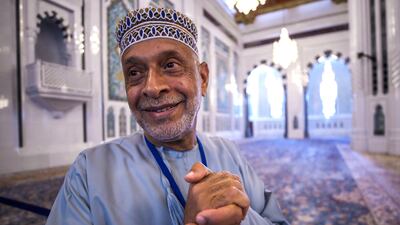
Khalifa Nasser Al Maskery, 70, has been a volunteer tour guide at the mosque for more than eight years. -
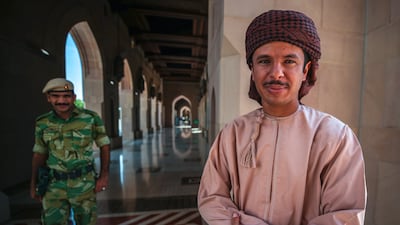
A competition for the mosque's design took place in 1993. -

Construction started in December 1994. -
The chandelier used to be the world's largest, before being replaced by one at the Sheikh Zayed Mosque in Abu Dhabi.


“Zanzibar has all the attractions and is a major tourist destination,” Mr Mwinyi said.
“Omanis are not strangers to this fact and I would urge them to come invest in tourism and we will create a fruitful environment of investments.”
Investment experts say the agreements will be “fast-tracked” with both sides keen to get the projects going as soon as possible.
-

Archaeologists at work inside the Old Fort of Stone Town in Zanzibar. Two trenches were dug to a depth of two metres. Photo: Tim Power -

One of the towers of the Old Fort that was built by the Omani Arabs in the 18th century. The dig uncovered layers of history well before this era. Photo: Tim Power -

Unearthing a 12th century pillar base from a possible mosque. Photo: Tim Power -

Prof Tim Power, an archaeologist from United Arab Emirates University, working to uncover the past. Photo: Nour Al Marzooqi -

Pottery found at the site dating to the 11th or 12th century and believed to be from modern-day Iran. Photo: Tim Power -

They also found mid to late 17th century Chinese porcelain with a landscape scene. Photo: Tim Power -

Mark Horton, from the Royal Agricultural University in the UK, recording the Portuguese church. Photo: Tim Power -

A project archaeologist working on a Portuguese-period child burial. Photo: Tim Power -

Tourists visiting the archaeological excavations during the summer of 2022. Photo: Tim Power -

Some of the pottery from the excavations. It reveals information about trade contacts between Zanzibar and the Arabian Gulf. Photo: Tim Power


“I don’t see any hiccups or delays in the signed investments of these projects,” Ali Al Khanjari, one of the business delegates who was present at the signing ceremony, told The National. “I visited Zanzibar a month ago and I could see a number of Omani business people already engaging in investment discussions.”
Zanzibar was part of Oman’s overseas territory in the 19th century when dhows regularly sailed the Indian Ocean to establish a thriving trade between Asia and East Africa.

