


Two doses of the Pfizer-BioNTech Covid-19 vaccine are highly effective at preventing illness severe enough to require hospital admission, even against the Delta variant, researchers have found.
The scientists say the two-dose vaccine is 90 per cent effective against Covid-19 hospital admission for all variants, for at least six months.
But its effectiveness against infection fell over the study period, dropping from 88 per cent within one month after receiving both vaccine doses to 47 per cent after six months.
Looking at specific variants, researchers found the reduction in vaccine effectiveness against infection over time was probably caused by waning immunity rather than the Delta variant’s ability to evade the protection offered by the shot.
The researchers say the new US study highlights the importance of continued vaccination worldwide and monitoring vaccine effectiveness to determine who should be prioritised for a booster dose.
“Our variant-specific analysis clearly shows that the BNT162b2 vaccine is effective against all current variants of concern, including Delta,” said Dr Luis Jodar, senior vice president and chief medical officer at Pfizer Vaccines.
“Covid-19 infections in people who have received two vaccine doses are most likely due to waning and not caused by Delta or other variants escaping vaccine protection.”
Young people receiving Pfizer-BioNTech Covid-19 vaccination - in pictures
-
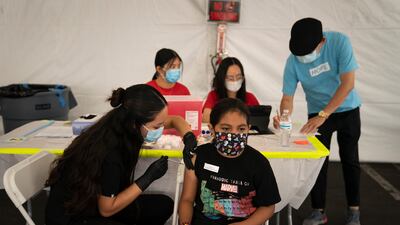
Mayra Navarrete, 13, receives the Pfizer Covid-19 vaccine from registered nurse, Noleen Nobleza at a clinic set up in the parking lot of CalOptima in Orange, California. AP -
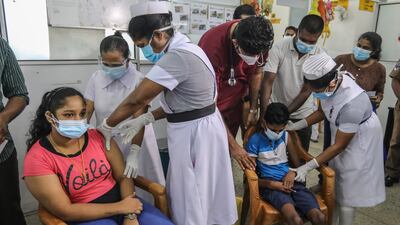
Hospital workers assisted by parents administer doses of Covid-19 vaccine to children at the Lady Ridgeway Children's Hospital in Colombo, Sri Lanka. EPA -

A boy receives the first dose of the Pfizer/BioNTech Covid-19 vaccine in Tegucigalpa, Honduras. AFP -
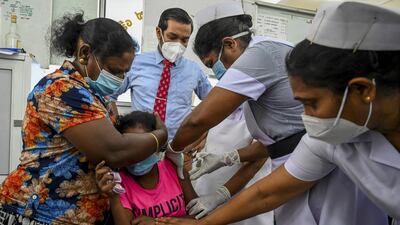
A health worker inoculates a child with a dose of the Pfizer-BioNTech vaccine against the Covid-19 coronavirus at a children's hospital in Colombo. AFP -

A woman takes a snapshot of his son after he received the first dose of the Pfizer/BioNTech Covid-19 vaccine in Tegucigalpa. AFP -

A teenager receives the first dose of the Pfizer/BioNTech Covid-19 vaccine in Tegucigalpa during a vaccination programme for teens aged 12 to 15. AFP -
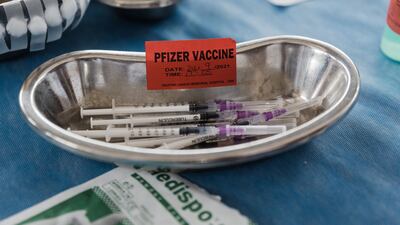
Doses containing Pfizer vaccines to be administered is seen ahead of the launch of the VaxuMzansi National Vaccine Day Campaign at the Gandhi Phoenix Settlement in Bhambayi township, north of Durban. AFP -
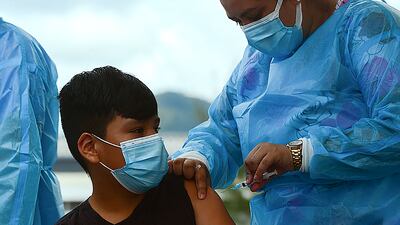
A boy receives the first dose of the Pfizer/BioNTech Covid-19 vaccine in Tegucigalpa. AFP -
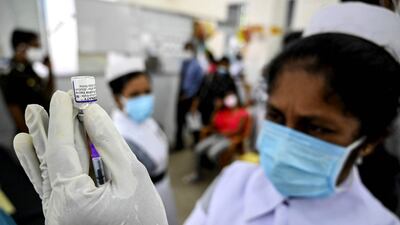
A health personnel prepares a dose of the Pfizer-BioNTech vaccine against the Covid-19 coronavirus at a children's hospital in Colombo. AFP -

A boy receives the first dose of the Pfizer/BioNTech Covid-19 vaccine in Tegucigalpa. AFP -
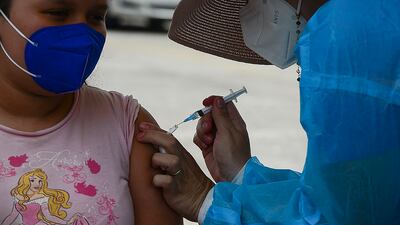
A girl receives the first dose of the Pfizer/BioNTech Covid-19 vaccine in Tegucigalpa during a vaccination programme for teens aged 12 to 15. -
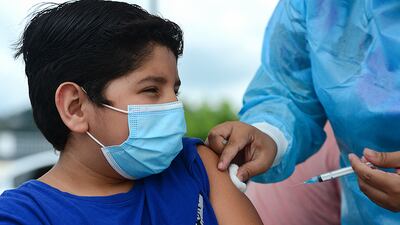
A boy receives the first dose of the Pfizer/BioNTech Covid-19 vaccine in Tegucigalpa during a vaccination programme for teens aged 12 to 15. AFP


Researchers analysed 3,436,957 electronic health records from the Kaiser Permanente Southern California health system between December 4 last year and August 8 this year.
During the study period, 5.4 per cent of people contracted the coronavirus.
Among those who were infected, 6.6 per cent were admitted to hospital. On average, three to four months passed between being fully immunised and catching the virus.
An analysis of 8,911 positive tests found the Delta variant made up 28 per cent of the overall proportion of positive tests.
According to the study, the Pfizer-BioNTech shot was 93 per cent effective against Delta variant infections one month after the second dose was administered but fell to 53 per cent after four months.
Effectiveness against non-Delta variants was 97 per cent one month after receiving two doses, and fell to 67 per cent after four months.
Meanwhile, effectiveness against Delta-related hospital admissions remained high (93 per cent) for the duration of the study period.
The researchers did not see a difference in waning between different variants.
The study was conducted by Kaiser Permanente and Pfizer, and its findings were published in The Lancet.

