Canada's climate minister Steven Guilbeault speaks to camera crews at Cop28 in Dubai. Demands for progress from the public and the media are a major pressure. Reuters

Why Cop28 is just the tip of the iceberg for climate negotiators


Daniel Bardsley
  • English
  • Arabic

The role of a climate change negotiator is arguably one of the most complex and challenging jobs around today.

Representing national governments or multinational institutions such as the EU, these negotiators are tasked with fine-tuning agreements aimed at reducing emissions and averting the severe impact of climate change.

Since November 30, hundreds of them have gathered in the UAE for Cop28, aiming to forge a path forward that campaigners envision to be more ambitious than the agreement reached at the conclusion of Cop27 in Sharm El Sheikh last year.

Difficult discussions

While the annual Cop events attract vast media attention, most of the work of climate officials happens at other times of the year, away from the public gaze.

“We have endless hours, days and nights of meetings … sometimes very technical, sometimes very political,” said Christina Voigt, a law professor at the University of Oslo, who for many years was one of the Norwegian government’s representatives in climate change negotiations.

“The issue is not difficult technically but the political sides are so controversial that it makes [for] very, very difficult discussions.”

An overarching principle with climate change is that of common but differentiated responsibilities (CBDR) – the idea that everyone is responsible for dealing with the issue, but not equally. Finding agreement within this framework is difficult.

Prof Christina Voigt is a former Norwegian climate change negotiator. Photo: Prof Christina Voigt

“There’s a strong recognition that developed countries take the lead and there’s an expectation that developed countries will assist developing countries with technology and finance,” said Dr Adrian Macey, New Zealand’s climate change ambassador from 2006 to 2010 and the chairman of UN climate change negotiations from 2010 to 2011.

While this broad principle has wide acceptance, wealthier nations may be concerned that they are paying several times over for their contribution to climate change.

They may have to take the lead in cutting emissions – known as mitigation – while also being expected to compensate poorer nations for the loss and damage caused by climate change.

“Where you set your goal from historical responsibility is pretty fraught,” said Dr Macey, who is now at Victoria University of Wellington.

An important factor, he said, is how much it will cost a country to transition away from fossil fuels. Major hydrocarbon producers may argue that they stand to lose more from the winding down of fossil fuels than nations whose economies have traditionally not depended on oil and gas sales.

Surging populations

As developing nations, notably in Africa, experience rapid population growth – the UN forecasts that sub-Saharan Africa’s population will nearly double to more than two billion by 2050 – and look to bring more citizens out of poverty, the question of whether they can grow their economies without increasing greenhouse gas emissions looms.

“The task in Africa is also not to try to embark on a trajectory which is locking you into fossil fuel emissions,” said Dr Artur Runge-Metzger, former director of the EU Commission's Directorate-General Climate Action. He was one of the commission’s negotiators from the late 1990s until the Paris Agreement was finalised in 2015.

“That is a very particular challenge for Africa, because a lot of gas and oil has been found in Africa. There’s still a discussion about whether it’s not a right of the nations not to use that opportunity in order to develop their industries.”

Dr Artur Runge-Metzger, a former German climate change negotiator, says growth in Africa should not lock the continent into fossil fuel emissions. Photo: Dr Artur Runge-Metzger

Growing economies sustainably

There has been increasing recognition that economic growth can be achieved without increasing emissions, according to Dr Runge-Metzger. He pointed to huge advances in renewable energy.

“If you said 30 years back that wind energy and solar energy were going to start dominating the investments, you would have been laughed out of the room, because windmills at the time were these tiny things that you sometimes see in the backyard of a farm,” he said.

“You can see how much has changed over time, how much bigger they have become and how little they cost now, compared to 25 or 20 years ago.”

Last year, the Paris-based International Energy Agency said solar power had become the “cheapest energy in history”, at about $40 per megawatt hour for new projects. Coal and natural gas projects cost approximately double this.

A shift to renewables has helped Europe in particular to reduce its contribution to climate change, with official figures indicating that the EU achieved a 24 per cent reduction in greenhouse gas emissions between 1990 and 2019.

Dr Runge-Metzger, who is now a fellow at the Mercator Research Institute on Global Commons and Climate Change, said that additional reductions may be harder to achieve.

“The EU will have a power sector that is out of emissions within the next 10 to 12 years, but then the EU will still have emissions in industry, in buildings, in transport, in agriculture that also need to be reduced, but that is not going to be easy,” he said.

“If you look at transport and the internal combustion engine, the first decisions have already been made to phase out the internal combustion engine and that will have an effect internationally that others will follow. So, from that point of view, I am optimistic.

“The question still is, ‘Are we fast enough?’ That’s something I wouldn’t dare to make a bet on. But everybody understands the faster we are, the less damage we will have from climate change.”

Dr Adrian Macey is a former New Zealand climate change negotiator. Photo: Dr Adrian Macey

Outsourcing emissions

Another important issue is emissions “outsourcing”. With many manufactured goods used in Europe now made in China and other places, it is slowly becoming an important aspect of climate policy and regulation in Europe.

“It’s not so difficult to reduce your emissions if you just buy the stuff that causes emissions somewhere else,” Prof Voigt said.

Looking ahead, Dr Runge-Metzger said that China, the world’s biggest emitter, has “a particular responsibility when it comes to new power projects, new industrial projects” to ensure that they are as green as possible.

A recent report by Global Energy Monitor and the Centre for Research on Energy and Clean Air found that the country permitted the construction of an average of two new coal-fired power plants a week last year, while many other nations are winding down coal use.

China is said to have six times as many coal-fired power stations beginning construction than the rest of the world combined.

Beyond negotiations between governments and international institutions, Dr Macey said it is no longer just governments dictating the pace of change because many companies have aligned themselves to net-zero policies.

About 80 per cent of the investment needed for the energy transition is expected to come from the private sector, he added.

The many other issues surrounding climate change, including the thorny question of loss and damage – compensating nations for the harm they experience because of climate change – kept officials representing national governments and international institutions busy in the build-up to Cop28 and throughout.

Prof Voigt knows well how tough such negotiations can be.

“That’s usually something people don’t see, when you sit there all night and you’re tired and there’s little food,” Prof Voigt said.

“It’s a tiresome process but if, by the end of the day, there’s a multilateral outcome, there’s a consensus, there’s a little step forward in this global fight on climate, then it’s worth it because that really is the only way. You can only solve it by getting states together and agreeing on some sort of level playing field.”

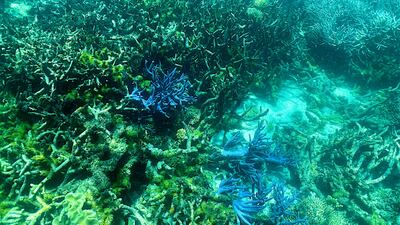
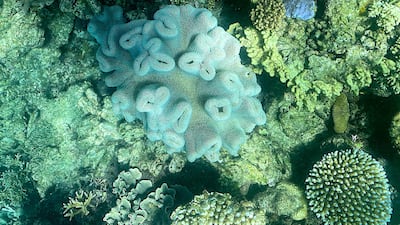
Australia's endangered Great Barrier Reef – in pictures

  • The UN wants the Great Barrier Reef listed on Unesco's 'in danger' list. All photos: AFP
    The UN wants the Great Barrier Reef listed on Unesco's 'in danger' list. All photos: AFP
  • Despite warnings, Australia's efforts to save the Great Barrier Reef still fall short of protecting the world's largest coral reef system from pollution and climate change
    Despite warnings, Australia's efforts to save the Great Barrier Reef still fall short of protecting the world's largest coral reef system from pollution and climate change
  • A UN panel said the world's biggest coral reef ecosystem had been significantly affected by climate change and warming of oceans
    A UN panel said the world's biggest coral reef ecosystem had been significantly affected by climate change and warming of oceans
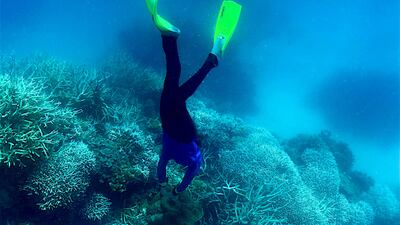
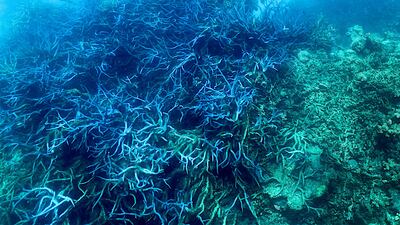
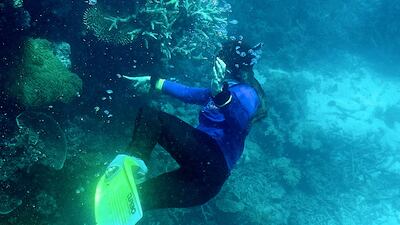
  • A diver documents the bleached coral at Lizard Island on the Great Barrier Reef
    A diver documents the bleached coral at Lizard Island on the Great Barrier Reef
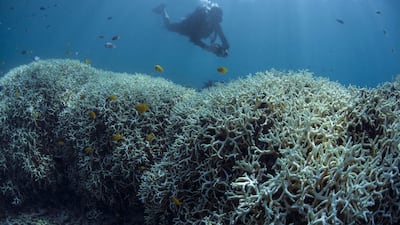
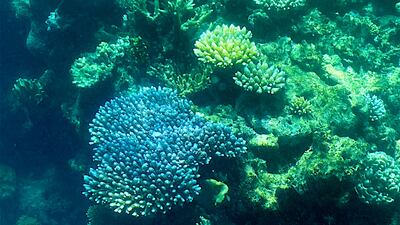
  • Bleaching happens when the water warms too much, causing corals to expel the colourful algae living in their tissues and turn white
    Bleaching happens when the water warms too much, causing corals to expel the colourful algae living in their tissues and turn white
  • Sunscreen worn by divers can cause permanent damage to living reefs
    Sunscreen worn by divers can cause permanent damage to living reefs
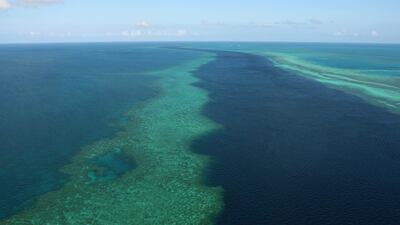
  • The Great Barrier Reef Marine Park encompasses about 99 per cent of the World Heritage-listed natural wonder
    The Great Barrier Reef Marine Park encompasses about 99 per cent of the World Heritage-listed natural wonder
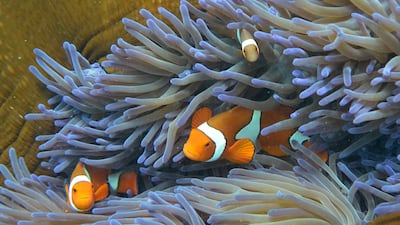
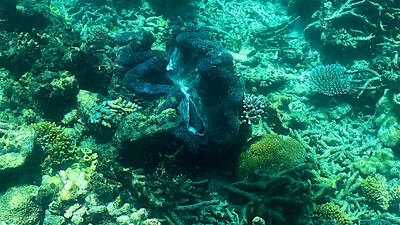
  • A variety of marine life has made a home of the Great Barrier Reef
    A variety of marine life has made a home of the Great Barrier Reef
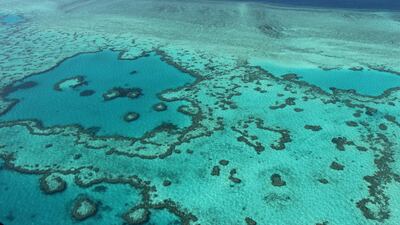
  • An aerial view of the reef off the coast of the Whitsunday Islands, on the central coast of Queensland
    An aerial view of the reef off the coast of the Whitsunday Islands, on the central coast of Queensland
  • Weeks of unseasonably warm weather is causing the worst mass bleaching in two years
    Weeks of unseasonably warm weather is causing the worst mass bleaching in two years
  • The effect has been widespread and severe, authorities say
    The effect has been widespread and severe, authorities say
  • Weather patterns over the next few weeks will be critical in determining the overall extent and severity of coral bleaching across the marine park.
    Weather patterns over the next few weeks will be critical in determining the overall extent and severity of coral bleaching across the marine park.
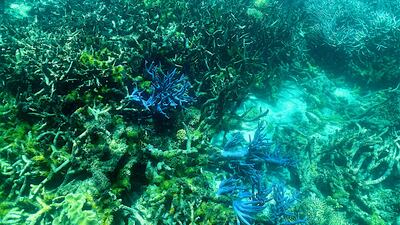
  • While coral can survive bleaching if water temperatures cool again soon, but some coral death has already been seen
    While coral can survive bleaching if water temperatures cool again soon, but some coral death has already been seen
  • The reef has suffered significantly from coral bleaching caused by unusually warm ocean temperatures in 2016, 2017 and 2020
    The reef has suffered significantly from coral bleaching caused by unusually warm ocean temperatures in 2016, 2017 and 2020
  • Previous bleaching damaged two thirds of the coral at the famous site
    Previous bleaching damaged two thirds of the coral at the famous site
  • The Great Barrier Reef Marine Park Authority manages the world’s largest coral reef ecosystem
    The Great Barrier Reef Marine Park Authority manages the world’s largest coral reef ecosystem
  • UN officials are due to assess whether the reef’s World Heritage listing should be downgraded, due to the ravages of climate change
    UN officials are due to assess whether the reef’s World Heritage listing should be downgraded, due to the ravages of climate change
  • The UN delegation will inspect the reef’s health next week
    The UN delegation will inspect the reef’s health next week
The%20Letter%20Writer
%3Cp%3E%3Cstrong%3EDirector%3A%3C%2Fstrong%3E%20Layla%20Kaylif%3C%2Fp%3E%0A%3Cp%3E%3Cstrong%3EStars%3A%3C%2Fstrong%3E%20Eslam%20Al%20Kawarit%2C%20Rosy%20McEwen%2C%20Muhammad%20Amir%20Nawaz%3C%2Fp%3E%0A%3Cp%3E%3Cstrong%3ERating%3A%3C%2Fstrong%3E%202%2F5%3C%2Fp%3E%0A
Avatar: Fire and Ash

Director: James Cameron

Starring: Sam Worthington, Sigourney Weaver, Zoe Saldana

Rating: 4.5/5

What vitamins do we know are beneficial for living in the UAE

Vitamin D: Highly relevant in the UAE due to limited sun exposure; supports bone health, immunity and mood.Vitamin B12: Important for nerve health and energy production, especially for vegetarians, vegans and individuals with absorption issues.Iron: Useful only when deficiency or anaemia is confirmed; helps reduce fatigue and support immunity.Omega-3 (EPA/DHA): Supports heart health and reduces inflammation, especially for those who consume little fish.

SPEC%20SHEET%3A%20SAMSUNG%20GALAXY%20S24%20ULTRA
%3Cp%3E%3Cstrong%3EDisplay%3A%3C%2Fstrong%3E%206.8%22%20quad-HD%2B%20dynamic%20Amoled%202X%2C%203120%20x%201440%2C%20505ppi%2C%20HDR10%2B%2C%20120Hz%3C%2Fp%3E%0A%3Cp%3E%3Cstrong%3EProcessor%3A%3C%2Fstrong%3E%204nm%20Qualcomm%20Snapdragon%208%20Gen%203%2C%2064-bit%20octa-core%3C%2Fp%3E%0A%3Cp%3E%3Cstrong%3EMemory%3A%3C%2Fstrong%3E%2012GB%20RAM%3C%2Fp%3E%0A%3Cp%3E%3Cstrong%3EStorage%3A%3C%2Fstrong%3E%20256%2F512GB%20%2F%201TB%3C%2Fp%3E%0A%3Cp%3E%3Cstrong%3EPlatform%3A%3C%2Fstrong%3E%20Android%2014%2C%20One%20UI%206.1%3C%2Fp%3E%0A%3Cp%3E%3Cstrong%3EMain%20camera%3A%3C%2Fstrong%3E%20quad%20200MP%20wide%20f%2F1.7%20%2B%2050MP%20periscope%20telephoto%20f%2F3.4%20with%205x%20optical%2F10x%20optical%20quality%20zoom%20%2B%2010MP%20telephoto%202.4%20with%203x%20optical%20zoom%20%2B%2012MP%20ultra-wide%20f%2F2.2%3B%20100x%20Space%20Zoom%3B%20auto%20HDR%2C%20expert%20RAW%3C%2Fp%3E%0A%3Cp%3E%3Cstrong%3EVideo%3A%3C%2Fstrong%3E%208K%4024%2F30fps%2C%204K%4030%2F60%2F120fps%2C%20full-HD%4030%2F60%2F240fps%2C%20full-HD%20super%20slo-mo%40960fps%3C%2Fp%3E%0A%3Cp%3E%3Cstrong%3EFront%20camera%3A%3C%2Fstrong%3E%2012MP%20f%2F2.2%3C%2Fp%3E%0A%3Cp%3E%3Cstrong%3EBattery%3A%3C%2Fstrong%3E%205000mAh%2C%20fast%20wireless%20charging%202.0%2C%20Wireless%20PowerShare%3C%2Fp%3E%0A%3Cp%3E%3Cstrong%3EConnectivity%3A%3C%2Fstrong%3E%205G%2C%20Wi-Fi%2C%20Bluetooth%205.3%2C%20NFC%3C%2Fp%3E%0A%3Cp%3E%3Cstrong%3EI%2FO%3A%3C%2Fstrong%3E%20USB-C%3B%20built-in%20Galaxy%20S%20Pen%3C%2Fp%3E%0A%3Cp%3E%3Cstrong%3EDurability%3A%3C%2Fstrong%3E%20IP68%2C%20up%20to%201.5m%20of%20freshwater%20up%20to%2030%20minutes%3B%20dust-resistant%26nbsp%3B%3C%2Fp%3E%0A%3Cp%3E%3Cstrong%3ESIM%3A%3C%2Fstrong%3E%20Nano%20%2B%20nano%20%2F%20nano%20%2B%20eSIM%20%2F%20dual%20eSIM%20(varies%20in%20different%20markets)%3C%2Fp%3E%0A%3Cp%3E%3Cstrong%3EColours%3A%3C%2Fstrong%3E%20Titanium%20black%2C%20titanium%20grey%2C%20titanium%20violet%2C%20titanium%20yellow%3C%2Fp%3E%0A%3Cp%3E%3Cstrong%3EIn%20the%20box%3A%20%3C%2Fstrong%3EGalaxy%20S24%20Ultra%2C%20USB-C-to-C%20cable%26nbsp%3B%3C%2Fp%3E%0A%3Cp%3E%3Cstrong%3EPrice%3A%3C%2Fstrong%3E%20Dh5%2C099%20for%20256GB%2C%20Dh5%2C599%20for%20512GB%2C%20Dh6%2C599%20for%201TB%3C%2Fp%3E%0A
Desert Warrior

Starring: Anthony Mackie, Aiysha Hart, Ben Kingsley

Director: Rupert Wyatt

Rating: 3/5

Silent Hill f

Publisher: Konami

Platforms: PlayStation 5, Xbox Series X/S, PC

Rating: 4.5/5

Lexus LX700h specs

Engine: 3.4-litre twin-turbo V6 plus supplementary electric motor

Power: 464hp at 5,200rpm

Torque: 790Nm from 2,000-3,600rpm

Transmission: 10-speed auto

Fuel consumption: 11.7L/100km

On sale: Now

Price: From Dh590,000

The burning issue

The internal combustion engine is facing a watershed moment – major manufacturer Volvo is to stop producing petroleum-powered vehicles by 2021 and countries in Europe, including the UK, have vowed to ban their sale before 2040. The National takes a look at the story of one of the most successful technologies of the last 100 years and how it has impacted life in the UAE. 

Read part four: an affection for classic cars lives on

Read part three: the age of the electric vehicle begins

Read part one: how cars came to the UAE


Sly%20Cooper%20and%20the%20Thievius%20Raccoonus
%3Cp%3E%3Cstrong%3EDeveloper%3A%3C%2Fstrong%3E%20Sucker%20Punch%20Productions%3Cbr%3E%3Cstrong%3EPublisher%3A%3C%2Fstrong%3E%20Sony%20Computer%20Entertainment%3Cbr%3E%3Cstrong%3EConsole%3A%3C%2Fstrong%3E%20PlayStation%202%20to%205%3Cbr%3E%3Cstrong%3ERating%3A%3C%2Fstrong%3E%205%2F5%3C%2Fp%3E%0A
The National's picks

4.35pm: Tilal Al Khalediah
5.10pm: Continous
5.45pm: Raging Torrent
6.20pm: West Acre
7pm: Flood Zone
7.40pm: Straight No Chaser
8.15pm: Romantic Warrior
8.50pm: Calandogan
9.30pm: Forever Young

MOTHER%20OF%20STRANGERS
%3Cp%3EAuthor%3A%20Suad%20Amiry%3Cbr%3EPublisher%3A%20Pantheon%3C%2Fp%3E%0A%3Cp%3EPages%3A%20304%3Cbr%3EAvailable%3A%20Now%3C%2Fp%3E%0A
THE BIO:

Favourite holiday destination: Thailand. I go every year and I’m obsessed with the fitness camps there.

Favourite book: Born to Run by Christopher McDougall. It’s an amazing story about barefoot running.

Favourite film: A League of their Own. I used to love watching it in my granny’s house when I was seven.

Personal motto: Believe it and you can achieve it.

Expert advice

“Join in with a group like Cycle Safe Dubai or TrainYAS, where you’ll meet like-minded people and always have support on hand.”

Stewart Howison, co-founder of Cycle Safe Dubai and owner of Revolution Cycles

“When you sweat a lot, you lose a lot of salt and other electrolytes from your body. If your electrolytes drop enough, you will be at risk of cramping. To prevent salt deficiency, simply add an electrolyte mix to your water.”

Cornelia Gloor, head of RAK Hospital’s Rehabilitation and Physiotherapy Centre 

“Don’t make the mistake of thinking you can ride as fast or as far during the summer as you do in cooler weather. The heat will make you expend more energy to maintain a speed that might normally be comfortable, so pace yourself when riding during the hotter parts of the day.”

Chandrashekar Nandi, physiotherapist at Burjeel Hospital in Dubai
 

Bert van Marwijk factfile

Born: May 19 1952
Place of birth: Deventer, Netherlands
Playing position: Midfielder

Teams managed:
1998-2000 Fortuna Sittard
2000-2004 Feyenoord
2004-2006 Borussia Dortmund
2007-2008 Feyenoord
2008-2012 Netherlands
2013-2014 Hamburg
2015-2017 Saudi Arabia
2018 Australia

Major honours (manager):
2001/02 Uefa Cup, Feyenoord
2007/08 KNVB Cup, Feyenoord
World Cup runner-up, Netherlands

ALRAWABI%20SCHOOL%20FOR%20GIRLS
%3Cp%3ECreator%3A%20Tima%20Shomali%3C%2Fp%3E%0A%3Cp%3EStarring%3A%C2%A0Tara%20Abboud%2C%C2%A0Kira%20Yaghnam%2C%20Tara%20Atalla%3C%2Fp%3E%0A%3Cp%3ERating%3A%204%2F5%3C%2Fp%3E%0A
UAE currency: the story behind the money in your pockets
Updated: December 08, 2023, 9:17 AM