


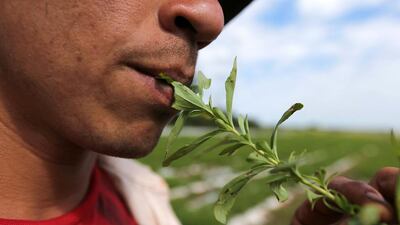
A recent study by Zenith International estimates sales of stevia, a plant from which natural sweeteners are made, will hit US$490 million this year, up from $304m in 2013. Peru is a major contributor to the approximately 5,500 tonnes expected to be produced worldwide in 2016.
-
-
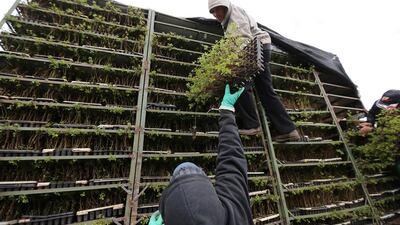
Workers load a truck with stevia seedlings at a plantation in Santani, Paraguay. The leaves of the full-grown stevia are used to extract sweetener for food and beverages. Jorge Adorno / Reuters -
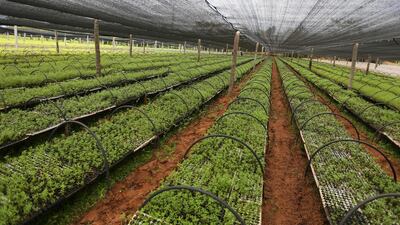
Stevia seedlings in Santani, Paraguay. Jorge Adorno / Reuters -
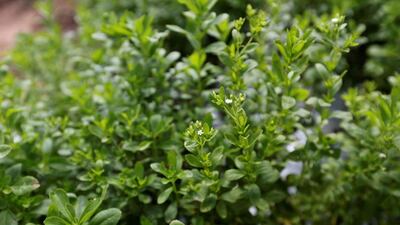
Stevia plants at a plantation in Lima, Paraguay. Jorge Adorno / Reuters -

A farmer holds harvested and dry stevia leaves in Lima. Jorge Adorno / Reuters -
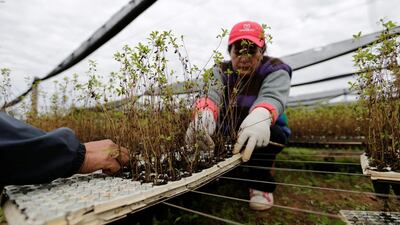
Workers handle stevia seedlings in Santani. Jorge Adorno / Reuters -

The agricultural engineer Edgar Alvarez holds a stevia seedling in Santani. orge Adorno / Reuters -
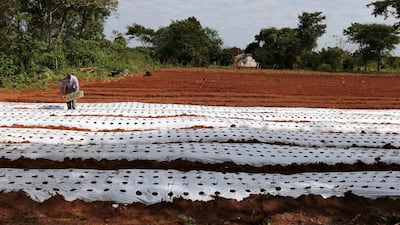
A farmer plants stevia seedlings in Lima. Jorge Adorno / Reuters -
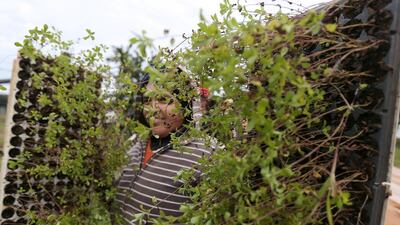
A woman holds crates with stevia seedlings in Santani. Jorge Adorno / Reuters -

Workers prepare crates with stevia seedlings in Santani. Jorge Adorno / Reuters
Sweet taste of success for Peru – in pictures
Most popular today

