


Property rents are soaring across the US and have reached record highs in New York — the priciest city in the country.
The median one-bedroom rent throughout the city is up 39.9 per cent on the year, according to the Zumper National Rent Report, while the two-bedroom median is up 46.7 per cent.
The US has seen inflation reach a 40-year high this summer, although it has started to cool, with the consumer price index up 8.5 per cent year on year in July, down from a 9.1 per cent rise in June, the US Labour Department reported.
“Much of the national conversation about inflation has focused on groceries and gas — everyday purchases impacting nearly every American,” the Zumper report said.
“But people looking for a new home are suffering from the biggest sticker shock.”
Zumper’s data shows double-digit year annual increases in more than half of US cities, with several cities posting a rise of 30 per cent or more.
Only two cities registered a yearly decline in one-bedroom rent — Des Moines and Cleveland.
“Current asking rents are simply out of reach for many Americans, especially young people,” said Zumper chief executive Anthemos Georgiades.
Many renters are turning to short-term rentals to fill a temporary gap in housing, especially if they can't afford deposits and move-in fees, he said.
Within New York, there is no peak in sight as people relocate to the city in greater numbers than in pre-pandemic times, according to Zumper.
It said New York's median one-bedroom monthly rent of $3,930 is a record high for any city in the US and represents a 4 per cent monthly increase.
“Renters looking for a new home are experiencing the most competitive market in modern history, with bidding wars and sight-unseen lease signings becoming the norm,” the report said.
The median monthly rent for a one-bedroom property in the Brooklyn area has jumped 45 per cent annually to $3,927, while Manhattan recorded a 27 per cent year-on-year rise in median rent for a one-bedroom property.
US Federal Reserve Chairman Jerome Powell last week warned that the US economy would need tight monetary policy “for some time” to beat record-high inflation, and that American households and businesses will feel “some pain”.
_____________________________
New York City Gilded Age mansion hits the market for $33m
-
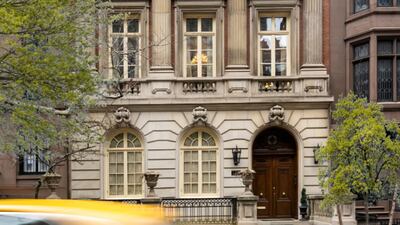
NYC Gilded Age mansion lists for the first time in 40 years, asking $33 million. All photos: Christie's -

The home is located at 123 E, 35th Street in Murray Hill, between Park and Lexington avenues. -

The building is one of the largest single-family homes in New York. -

The mansion’s eight floors are connected by a mahogany staircase and wood-panelled lift. -

The Lanier House was classified by the NYC Landmarks Preservation Commission as representative of the Parisian Beaux-Arts style. -

The house is listed in the National Register of Historic Palaces. -
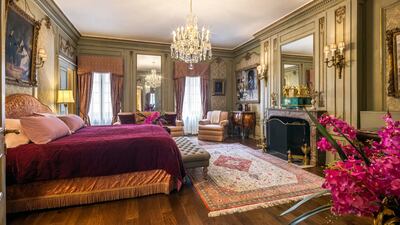
The mansion has nine bedrooms, including five suites, seven full bathrooms, as well as staff bedrooms. -

Architectural features include carved stonework, wrought-iron balustrades, a copper roof, Ionic pilasters and tiger oak double-doors. -
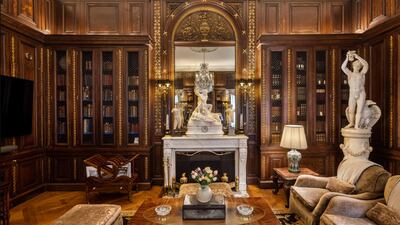
Three skylights ensure the space has adequate natural light. -
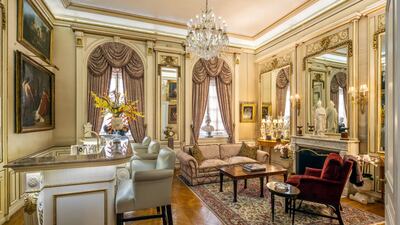
The Laniers were the mansion’s first owners when it was built more than a century ago. -
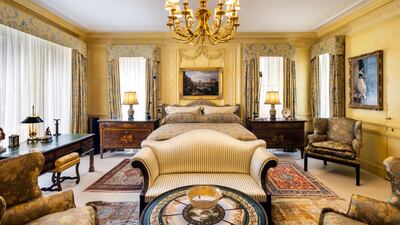
It is unclear who currently owns the property. -

The mansion is on the market for $33 million. -

The reception hall has a marble fountain and a rose medallion ceiling decked with a crystal chandelier. -

Amenities include a gym, sauna, pool, massage room, wine cellar, and a courtyard garden with ivy trellises and a stone fountain.



