

In the post-pandemic era, most aspects of life have returned to normal. People are flocking to cinemas, holidaymakers jammed airports this summer and children have returned to classrooms.
The one thing that has remained stubbornly fraught is the world of work.
Three and a half years after millions of office staff were sent home en masse, many companies, employees and governments around the world are still figuring out how to adapt to lasting changes to corporate life.
But stark differences have emerged across continents and cultures, with employees in Asia and Europe largely returning to offices at a faster pace to those in the Americas.
Asian nations did a better job curbing the spread of Covid-19 in the pandemic’s first year, so people there did not get as accustomed to working from home, making it easier to return to office life, researchers have found.
Watch: UAE to issue remote work visas
Habits in Europe vary widely – the UK has one of the highest rates of remote work and France one of the lowest – but several countries there have led the way with laws enshrining flexible schedules.
Then there are places such as the US, where policymakers have stayed largely silent, leaving bosses and employees to organise the changes on their own.
As the post-Labor Day period in the US marks the return to normal schedules after the summer holidays, companies including Amazon and Zoom Video Communications have sought to get workers back to their offices for at least part of the week.
Even then, staff are facing vastly different policies depending on their companies, managers and locations.
Goldman Sachs Group wants staff to be in the office five days a week. At Walt Disney, it is four days, while for companies including Amazon and Google, it is three.
Hybrid schedules are now the norm for office workers in the world’s largest economy.
The chaotic nature of the return to work was understandable two years ago, when Covid-19 was still circulating at crisis levels and “the Great Resignation” and “lying flat” were the catchphrases of the day for employees pushing back on norms.
Now, cooling economies mean hiring has slowed in many sectors, giving bosses a greater ability to call the shots, while layoffs and cost-cutting measures have many staff concerned.
Yet the debate is far from settled, leaving questions about the role of offices, the integration of work and life, and the measurement of productivity and pay.
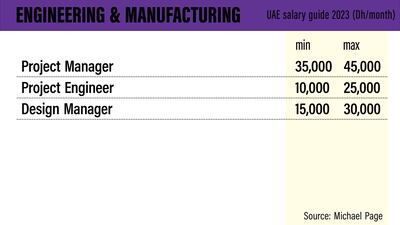
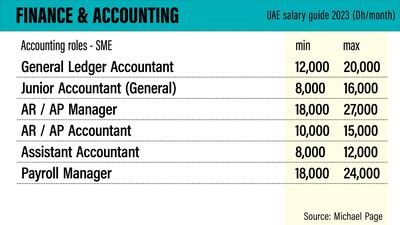
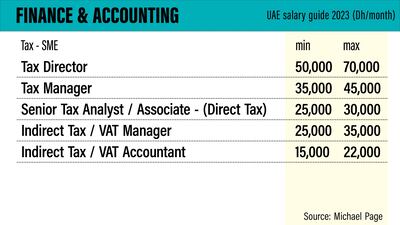
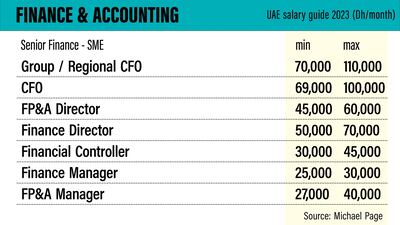
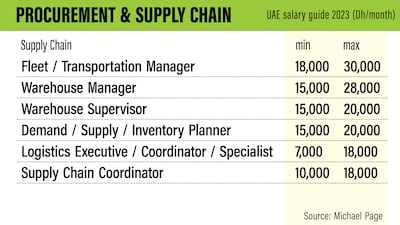
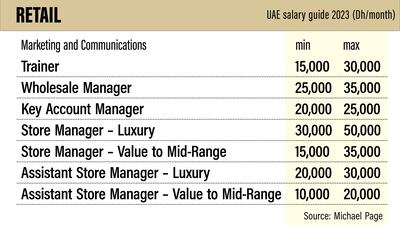
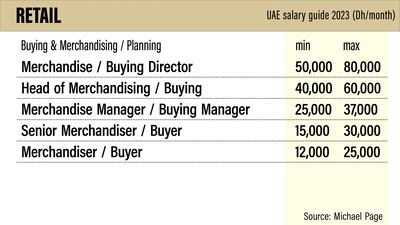
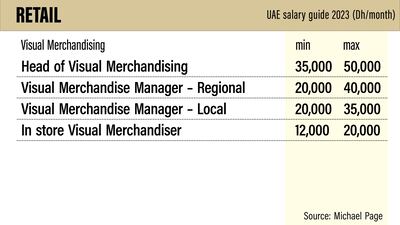
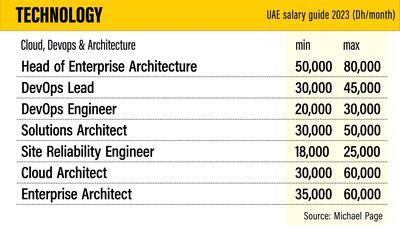
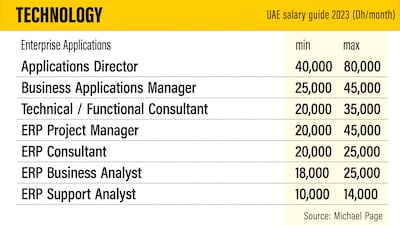
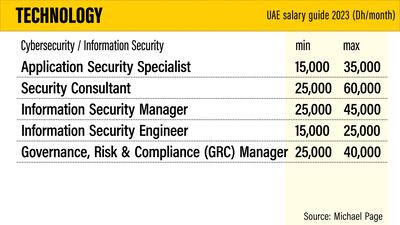
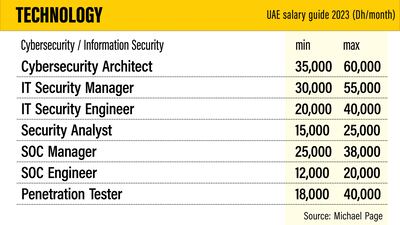
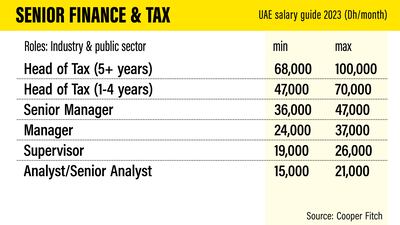
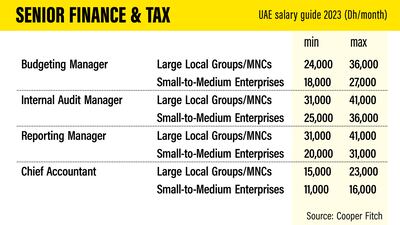
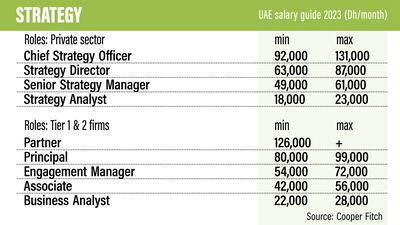
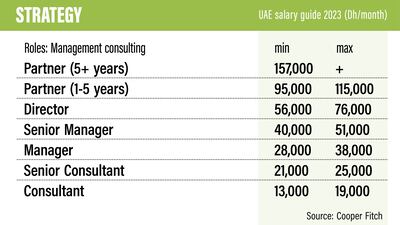
UAE salary guide – in pictures
-
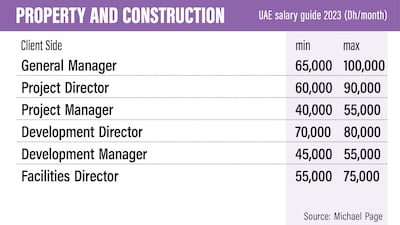
UAE salary guide 2023 -
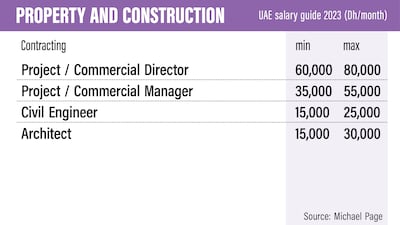
UAE salary guide 2023 -
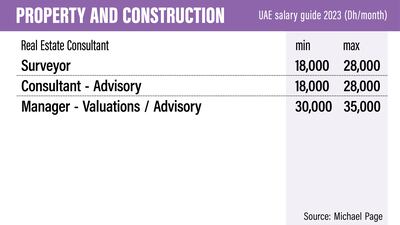
UAE salary guide 2023 -
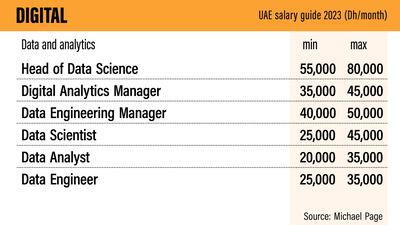
UAE salary guide 2023 -
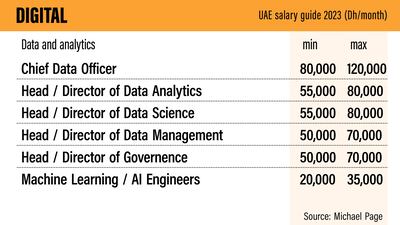
UAE salary guide 2023 -
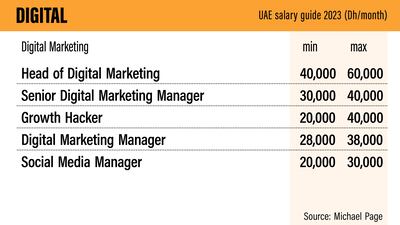
UAE salary guide 2023 -

UAE salary guide 2023 -
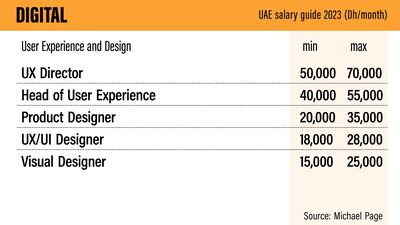
UAE salary guide 2023 -

UAE salary guide 2023 -
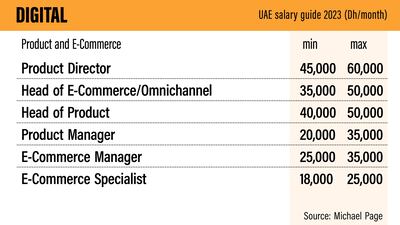
UAE salary guide 2023 -
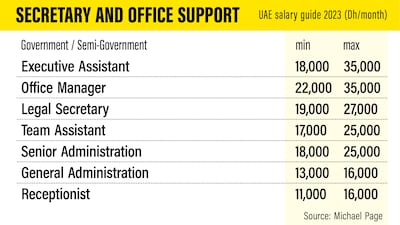
UAE salary guide 2023 -
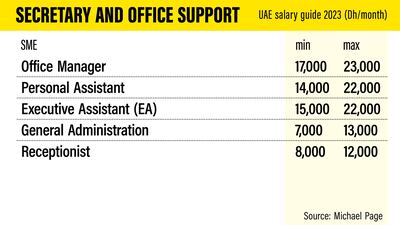
UAE salary guide 2023 -
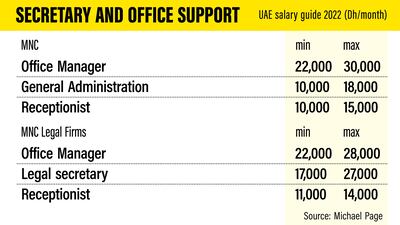
UAE salary guide 2023 -
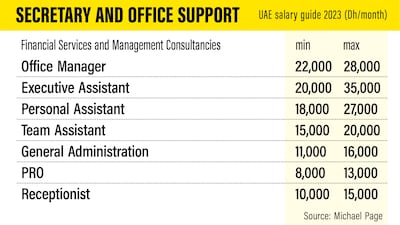
UAE salary guide 2023 -
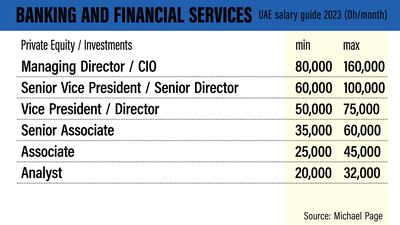
UAE salary guide 2023 -
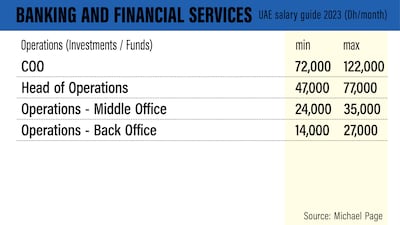
UAE salary guide 2023 -
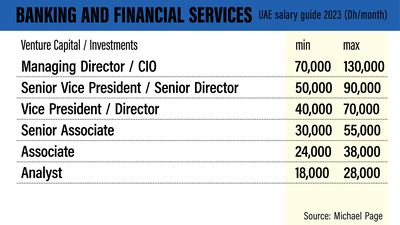
UAE salary guide 2023 -
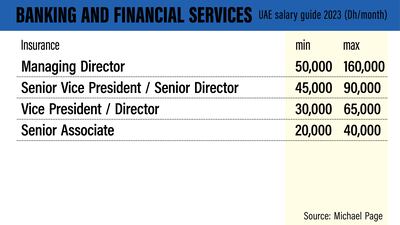
UAE salary guide 2023 -
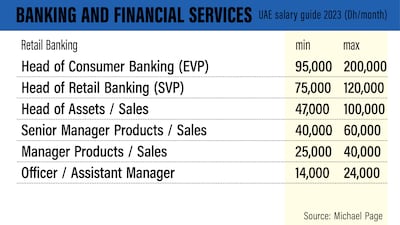
UAE salary guide 2023 -
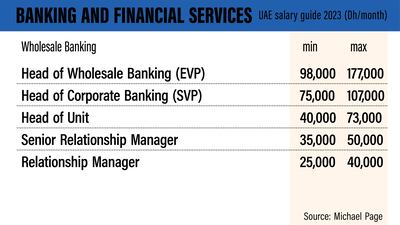
UAE salary guide 2023 -
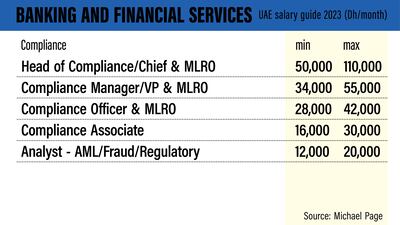
UAE salary guide 2023 -
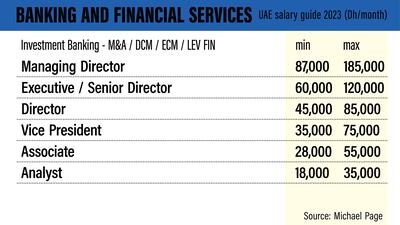
UAE salary guide 2023 -
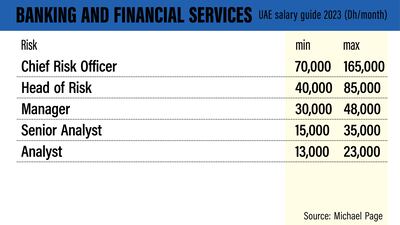
UAE salary guide 2023 -
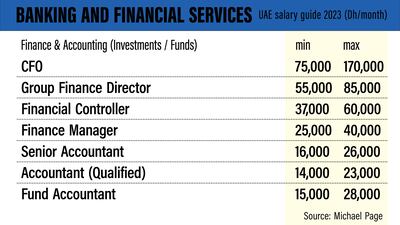
UAE salary guide 2023 -
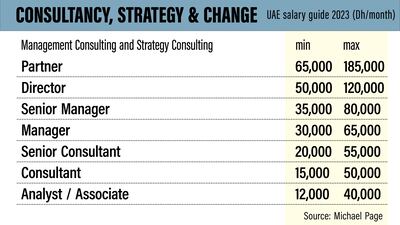
UAE salary guide 2023 -
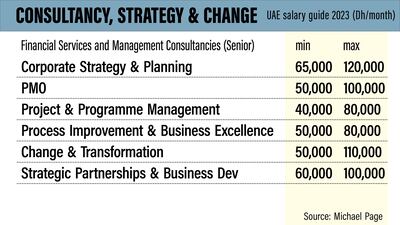
UAE salary guide 2023 -
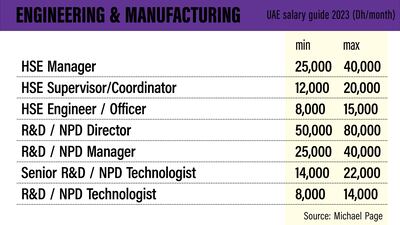
UAE salary guide 2023 -
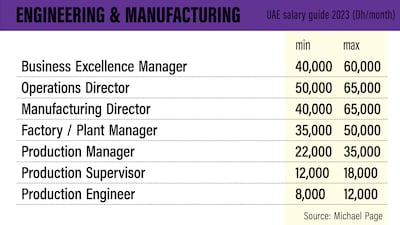
UAE salary guide 2023 -
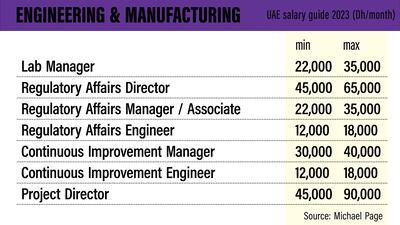
UAE salary guide 2023 -

UAE salary guide 2023 -
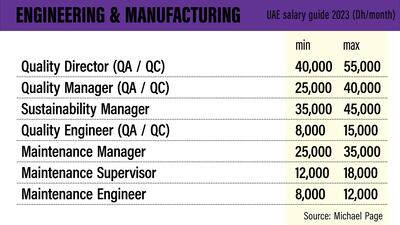
UAE salary guide 2023 -
UAE salary guide 2023 -
UAE salary guide 2023 -
UAE salary guide 2023 -
UAE salary guide 2023 -
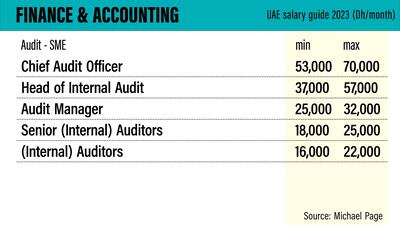
UAE salary guide 2023 -

UAE salary guide 2023 -
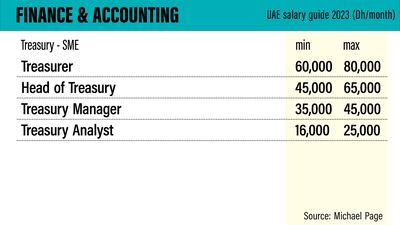
UAE salary guide 2023 -
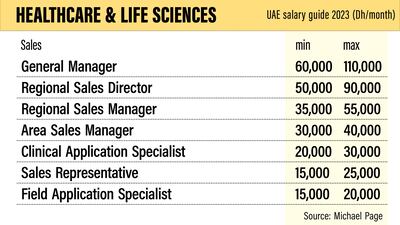
UAE salary guide 2023 -
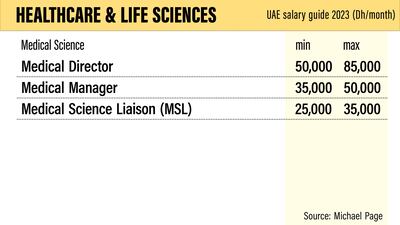
UAE salary guide 2023 -
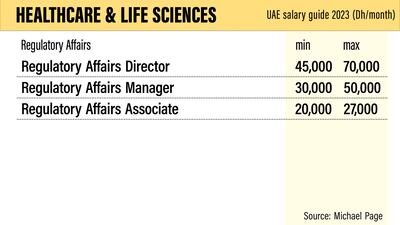
UAE salary guide 2023 -

UAE Salary Guide -
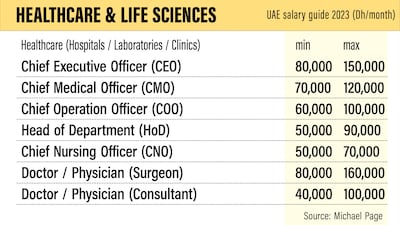
UAE salary guide 2023 -
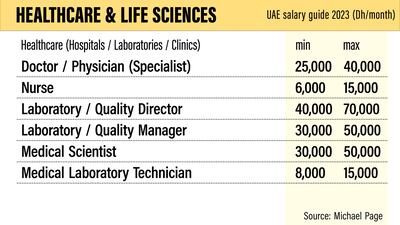
UAE salary guide 2023 -
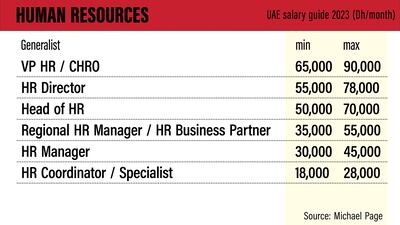
UAE salary guide 2023 -

UAE salary guide 2023 -
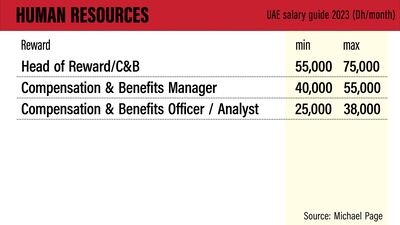
UAE salary guide 2023 -
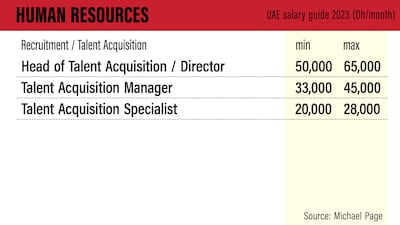
UAE salary guide 2023 -
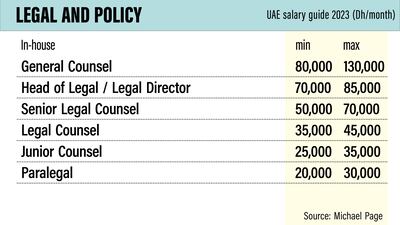
UAE salary guide 2023 -
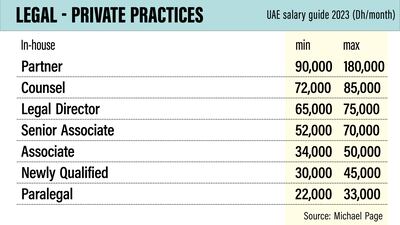
UAE salary guide 2023 -
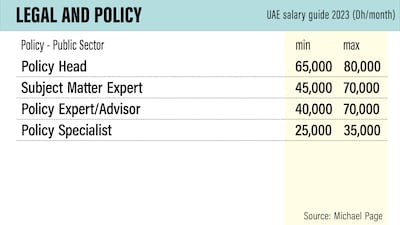
UAE salary guide 2023 -
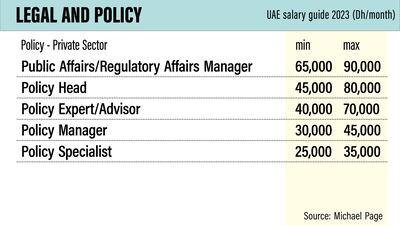
UAE salary guide 2023 -
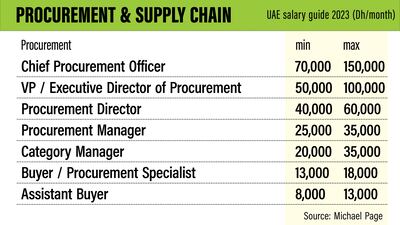
UAE salary guide 2023 -
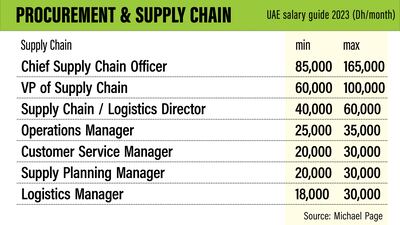
UAE salary guide 2023 -
UAE salary guide 2023 -

UAE salary guide 2023 -
UAE salary guide 2023 -

UAE salary guide 2023 -
UAE salary guide 2023 -
UAE salary guide 2023 -

UAE salary guide 2023 -

UAE salary guide 2023 -

UAE salary guide 2023 -
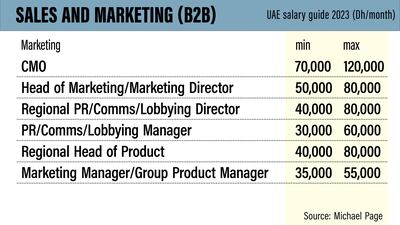
UAE salary guide 2023 -

UAE salary guide 2023 -
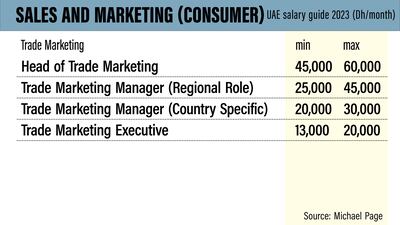
UAE salary guide 2023 -
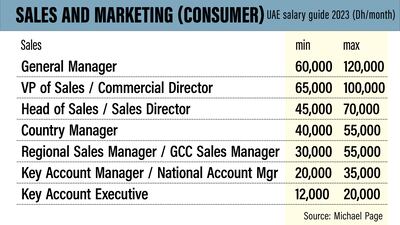
UAE salary guide 2023 -
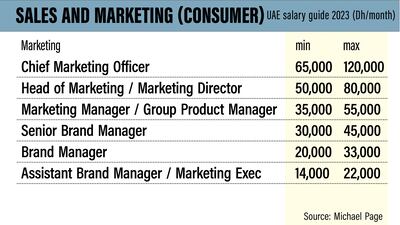
UAE salary guide 2023 -

UAE salary guide 2023 -
UAE salary guide 2023 -
UAE salary guide 2023 -
UAE salary guide 2023 -
UAE salary guide 2023 -
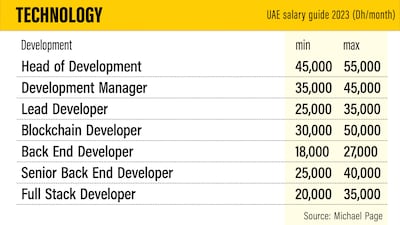
UAE salary guide 2023 -
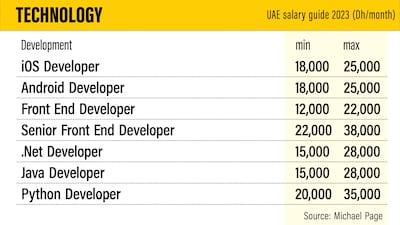
UAE salary guide 2023 -
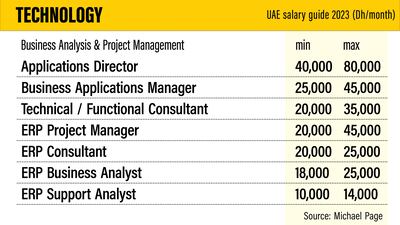
UAE salary guide 2023 -
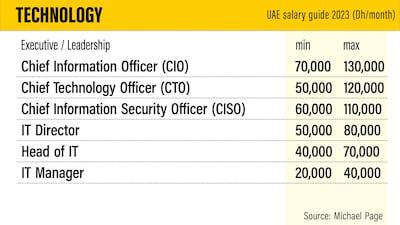
UAE salary guide 2023 -
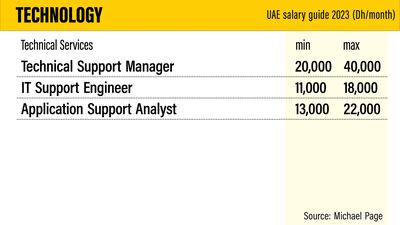
UAE salary guide 2023 -

UAE salary guide 2023 -
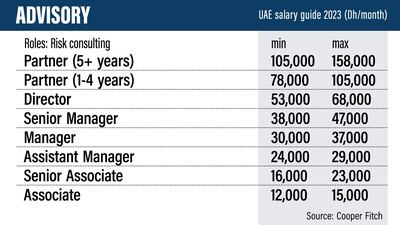
UAE salary guide 2023. -

UAE salary guide 2023. -
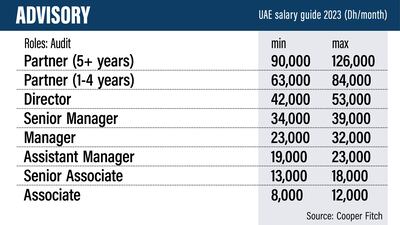
UAE salary guide 2023. -
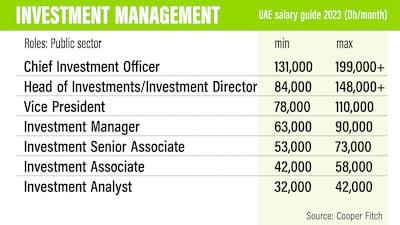
UAE salary guide 2023 -

UAE salary guide 2023 -
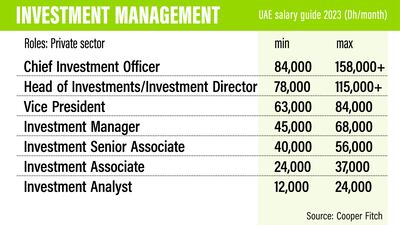
UAE salary guide 2023 -

UAE salary guide 2023 -
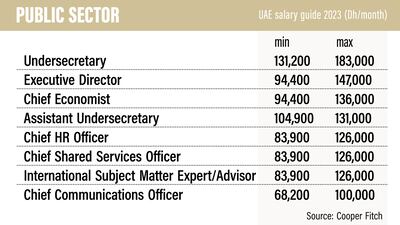
UAE salary guide 2023 -

UAE salary guide 2023 -
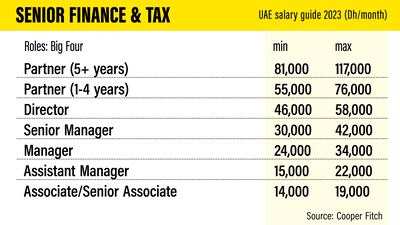
UAE salary guide 2023 -

UAE salary guide 2023 -
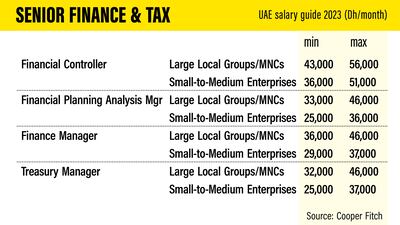
UAE salary guide 2023 -
UAE salary guide 2023 -
UAE salary guide 2023 -
UAE salary guide 2023 -
UAE salary guide 2023


How it plays out carries significant economic consequences. McKinsey Global Institute estimates that pandemic shifts could erase as much as $1.3 trillion of property value in big cities around the world by 2030.
“Everyone is asking, ‘Is this going to come back?’” says Phil Kirschner, who advises executives on property and workplace strategies at McKinsey in the US.
“What we’ve done is Band-Aided some tools together to prevent the ship from sinking. But we haven’t done the difficult work to say, ‘The way we were working before was not universally great for everybody. And this is the new reality.’”
In Japan, the nation’s largest lenders are eschewing a minimum number of office days every week, in contrast to their Wall Street counterparts.
Unilever, the European manufacturer of Dove soap, allows desk-based staff a good deal of flexibility in both where and when they work, and has introduced four-day workweek pilot schemes in several countries.
But cultural and structural factors have contributed to regional variations, says Phil Ryan, London-based director of JLL City Futures, part of the global research and analysis arm of the real estate company Jones Lang LaSalle.
“Some of it is absolutely cultural – some places have more expectations of people coming in,” he says.
“In some places, it’s about reliable public transportation. Another big difference is home sizes. In the US, they have larger home offices, so they don’t feel that the office is a better place to work.”
In Hong Kong, tiny apartments and an efficient public transport system have given residents fewer reasons to work from home.
In New York, subways are still 70 per cent full on weekdays and about half of workers are back at buildings on a given day, compared with pre-Covid levels.
Working remotely has been generally more accepted and widespread in the US, say Mark Mortensen and Henrik Bresman, professors at the Insead business school.
That is due in part to the preponderance of technology, finance and business-services roles – so-called knowledge workers – that are computer-intensive and thus more conducive to remote work.
US staff in tech, finance and professional services work from home nearly a full day more a week than those in government and healthcare roles, according to research from a team of economists, including Stanford University professor Nicholas Bloom.
This is not likely to change much. The research from Mr Mortensen and Mr Bresman found that the proportion of people in America who said their productivity while working remotely was at optimal levels was almost double that in the rest of the world.
In contrast, a working paper on data-entry workers in India found those working from home were 18 per cent less productive.
Employees in Europe and Asia are more concerned about missing out on social connections with co-workers than those in the US, Mr Mortensen’s research showed.
Andrea Lovato, managing partner at F&P Equity Partners in Milan, says he is not against remote work, but that “in-person work has many more benefits”.
“When you are sharing the same space in the office, there is closer interaction with colleagues, a more spontaneous development of ideas and innovation, and higher engagement from people,” he says.
Cities matter as much as culture, says Despina Katsikakis, global head of real estate company Cushman & Wakefield's workplace research and insights division.
“Cities in Europe are more walkable and bring together work, life and play,” she says.
“So, European offices are more connected to blended, vibrant communities versus the US, where offices are more dictated by zoning laws and in more isolated areas.”
The disparities have upended the commercial property market, where empty offices and the fastest pace of interest rate rises in a generation are leading to a debt crisis among some landlords.
A McKinsey report in July explored the differences among cities, showing that office-heavy areas of New York and San Francisco have suffered steeper declines in real estate demand, alongside lower rates of office attendance, compared with cities including Paris and Munich.
The consultancy estimated about $800 billion may be wiped out from the value of office buildings in nine major cities in a moderate scenario, and as much as $1.3 trillion as a worst case.
In Europe, policymakers have stepped in to help shape the future of work by promoting more flexible arrangements.
At least half a dozen nations have passed or proposed legislation to govern remote work, fuelled by the EU’s 2021 “right to disconnect” proposal, a call to grant employees in the bloc legal rights to switch off from work-related tasks and electronic communication outside normal business hours.
Already enforced in France, Spain and Belgium, the policy is backed by a majority in the European Parliament.
The move could become EU law by the end of the year, says Ben Marks, co-founder of the Future Workforce Alliance, a forum of politicians, business leaders and academics focused on policy changes.
global head of workplace research and insights at Cushman & Wakefield
Support for the right to disconnect goes well beyond Europe. Governments from Colombia to Canada have passed similar measures, and Kenya is considering it.
Beyond that, the Netherlands last year passed a law to establish the legal right to work from home, and its Senate is expected to vote on the plan this year.
The bill requires employers to consider employee requests to work remotely as long as their professions allow it, while insisting that the employee’s request be “reasonable and fair”.
The Netherlands ranks fifth globally in the number of remote jobs available, according to recent data from Lightcast and Revelio Labs, and some Dutch employers came to embrace flexible work during the pandemic.
Matthijs Welle, the Amsterdam-based chief executive of Mews, which provides software for hotels, says he previously “never believed in work from home” but now allows his 800 employees across 20 countries to work from anywhere after closing offices in about six cities.
“I think it’s needed to drive this conversation with more traditional managers, who have shut the door on it,” he says, referring to the legislation.
Millions of staff in the UK, meanwhile, will soon have the right to request flexible working arrangements after starting a job.
Previously, they had to wait half a year before making such a request.
In Belgium, employees in February 2022 won the right to a four-day workweek at the same pay.
Critics of right-to-disconnect laws say such measures could be largely symbolic in today’s world.
Meanwhile, data from Microsoft found a “third peak” of productivity after 9pm during the pandemic, with the average Teams user sending 42 per cent more chats after hours, compared with early 2020.
Then there are people who have moved to work remotely from entirely new locations, often logging on at unconventional times.
Best destinations for digital nomads – in pictures
-

Lisbon, Portugal, ranked as the world's best destination for digital nomads, according to real estate consultancy Savills. AFP -

Miami is the second-best city in the world for digital nomads. Tax incentives, low interest rates and remote working policies make the Florida city popular. AFP -

Dubai is third in the Savills index and scored high for its quality of life, internet speed and air connectivity. Antonie Robertson / The National -

Digital nomads are flocking to Portugal’s southern Algarve region, which is ranked fourth on the Savills list. AFP -

Barbados is rated the fifth-best city for digital nomads because of its climate and internet speed, Savills said. Getty Images


During the pandemic, Portuguese cities including Lisbon became a haven for digital nomads from the US and elsewhere, who took advantage of favourable tax rates, cheap property and a visa that allowed remote workers to live in the country for up to five years.
Lisbon was the most-visited remote work hub in 2022, according to Nomad, a remote-worker network, but visits are down 32 per cent so far in 2023.
Rents and property prices in the city have risen sharply and in February the government announced it would end its “golden visa” path-to-citizenship programme for foreign citizens who invest in real estate in the country.
In response, digital nomads are now looking outside the US and Europe – eight of the 10 fastest-growing remote-work hubs in 2023 so far are in Asia, including Tokyo, Seoul and Ho Chi Minh City.
In the US, Labor Day was a marker of a renewed push towards stricter office-attendance policies, and this year is no different.
At the World Bank in Washington, president Ajay Banga wanted staff back four days starting this week.
Even Workhuman, a company that provides worker-recognition programmes and prides itself on listening closely to employee concerns, has asked most of its staff to come back to offices twice a week, beginning this month.
“The summer is wide open, then things normalise in September,” says KeyAnna Schmiedl, Workhuman’s chief human experience officer.
But any business leader who hopes things will get “back to normal” will be disappointed, because the workplace is fundamentally different now.
Business leaders have raised concerns about the effects of working from home, but they also know that the practice is now ingrained, a survey by the Federal Reserve Bank of New York found.
Work is no longer a place people go, it is a thing they do – and when, where and how it happens is no longer written in stone.
“Covid was a portal we walked through,” says Mr Kirschner of McKinsey. “And we’re not going back.”

