The largest growth area within the tech industry is cyber security, which is an increasingly important field in the region. Getty

Why tech jobs are in demand in the Middle East


  • English
  • Arabic

It is common knowledge that the technology sector is currently facing huge challenges, both internationally and locally.

Many information technology companies are scaling back hiring, while most of the bigger names are making thousands of their employees redundant.

However, there are still some areas of growth within tech and in some cases, there is huge demand for certain niche skills.

We are experiencing a skills shortage locally, resulting in many international candidates relocating to the region for new opportunities.

With large infrastructure projects such as hotels, shopping malls, leisure and residential developments showing no signs of slowing down in the region, there is still a need for connectivity, physical security and the software to support them.

This demand has steadily risen over time, also due to a growing population and an appetite for data, with the implementation of technology such as 5G.

In the past few days, UAE telecoms and technology company e& announced a $400 million investment in the Careem Super App, which is a huge deal for a Dubai-based company that was founded only more than 10 years ago.

It proves that regional telecoms providers are financially healthy, with many large-scale digital transformation programmes happening across the GCC.

Possibly the largest growth area within the tech industry is cyber security, which is an increasingly important field in the Middle East.

The growing threat of cyber attacks and the increasing dependence on digital infrastructure means a rise in demand for cyber security professionals in the region. There are many other factors driving this demand.

Government initiatives

Many governments in the Middle East are investing heavily in cyber security as part of their national security strategy.

They are also unveiling initiatives to promote the development of the cyber security industry, which is creating job opportunities in the region.

Most governments want to localise their IT infrastructure, data centres and talent, which is all fuelling demand for jobs.

Military and defence

Cyber warfare is real and countries are investing billions to protect themselves and prepare for any threats.

The growth and development of artificial intelligence for applications such as drones, has dramatically increased in recent years, but there will be many other uses for this technology.

Even soldiers, pilots and naval personnel will rely heavily on using the best technology available.

Public safety

Similar to the defence sector, public sector workers such as police and rescue workers also use secure means of communication, which are similar to mobile network technology.

These networks will be modified or replaced in the coming years, which requires huge investment.

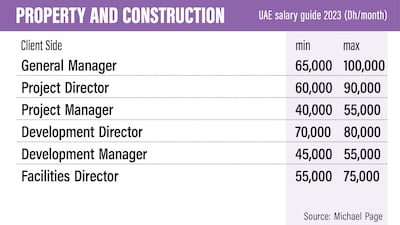
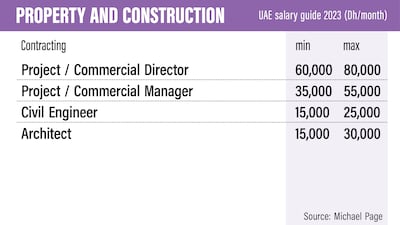
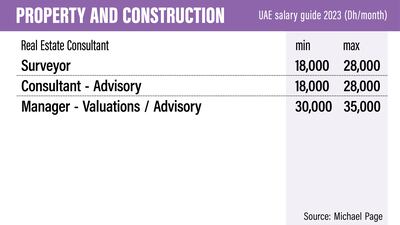
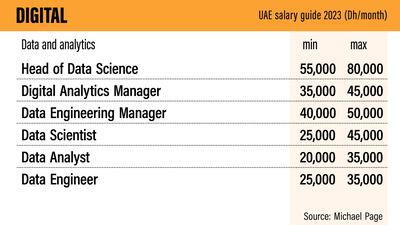
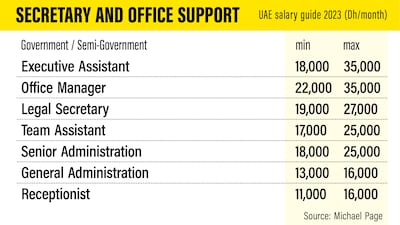
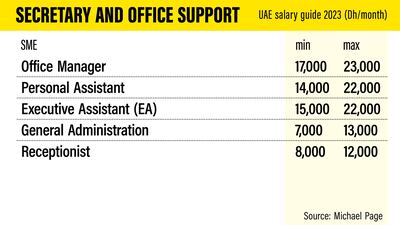
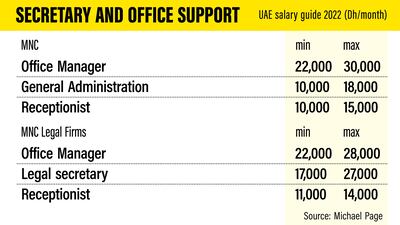
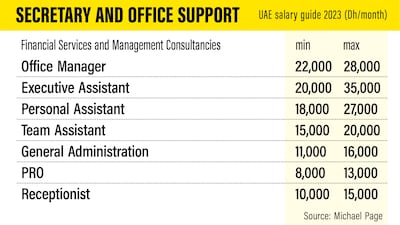
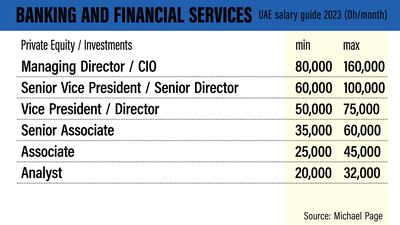
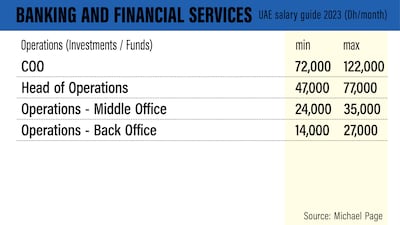
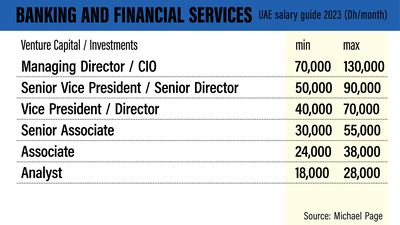
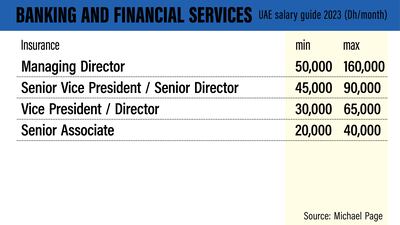
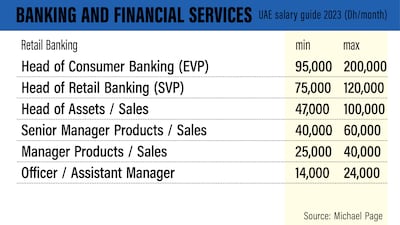
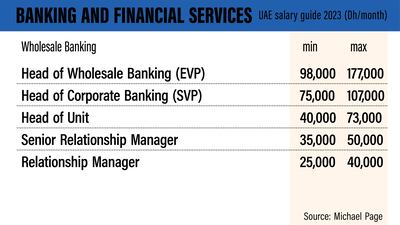
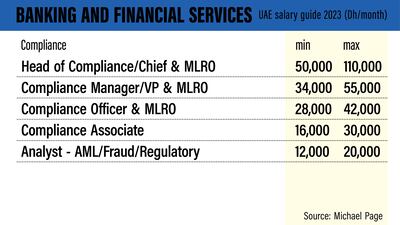
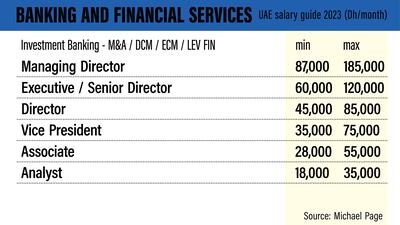
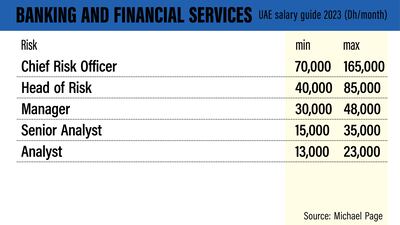
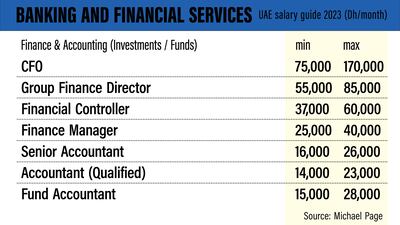
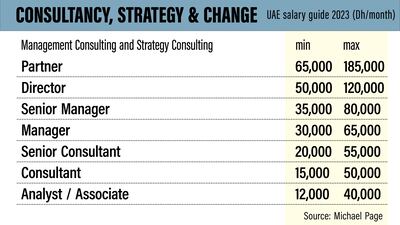
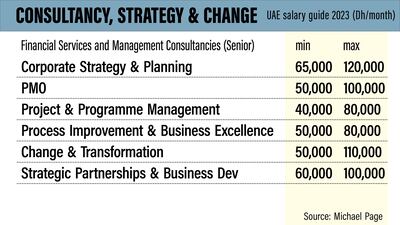
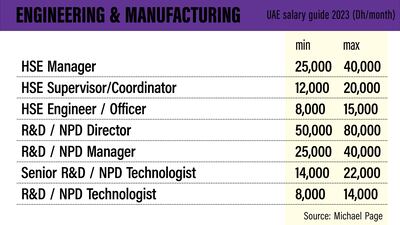
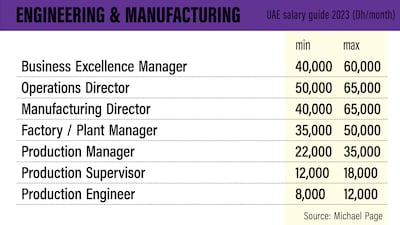
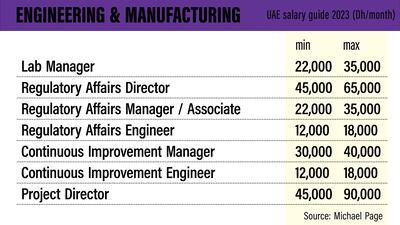
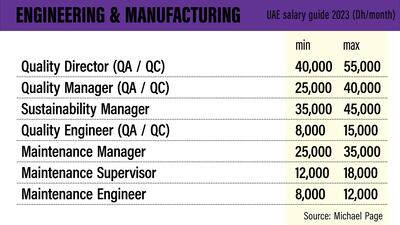
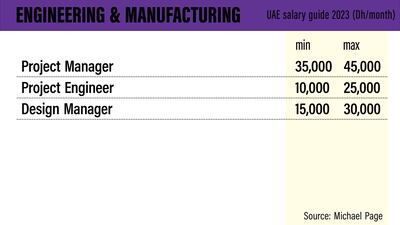
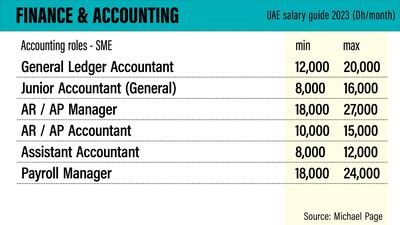
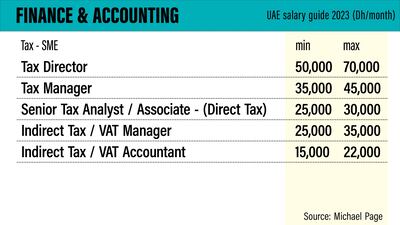
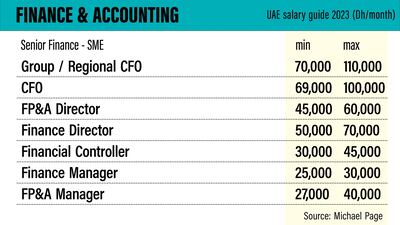
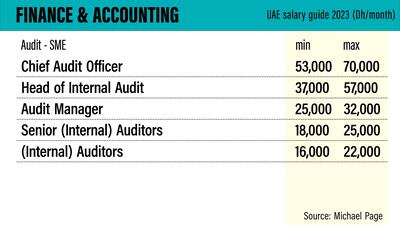
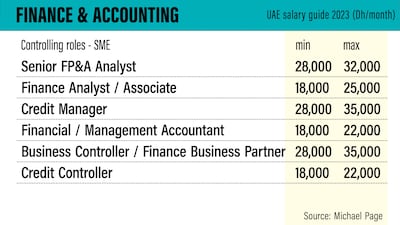
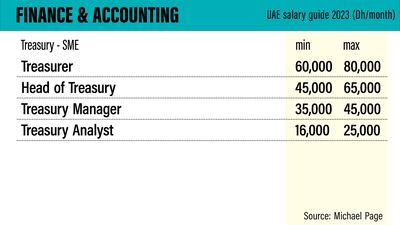
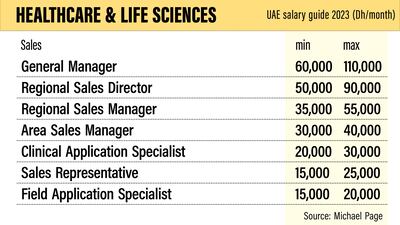
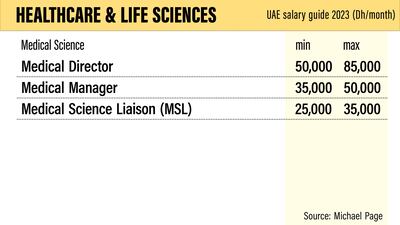
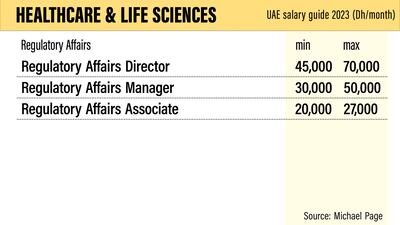
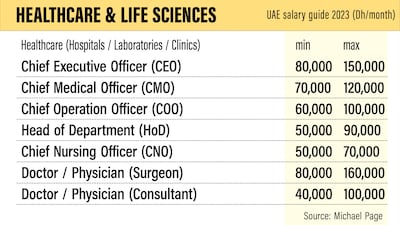
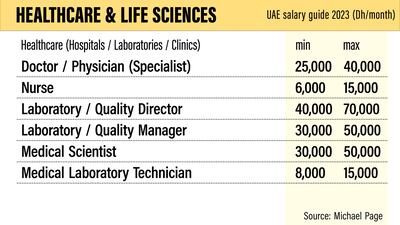
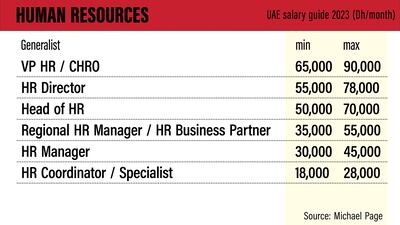
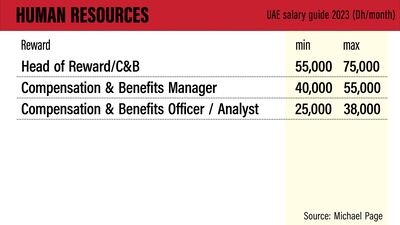
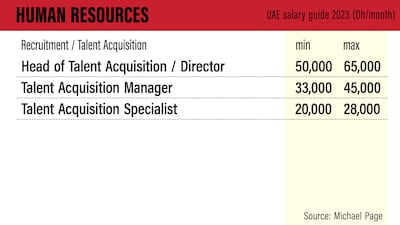
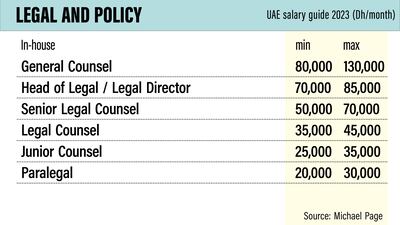
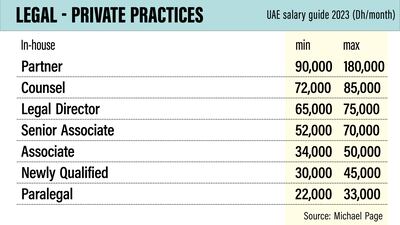
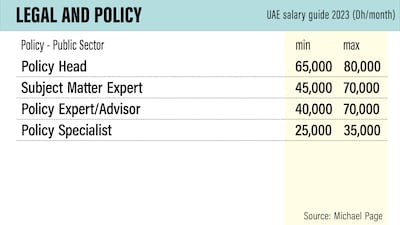
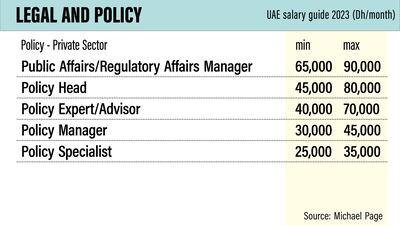
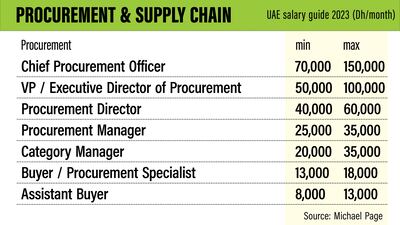
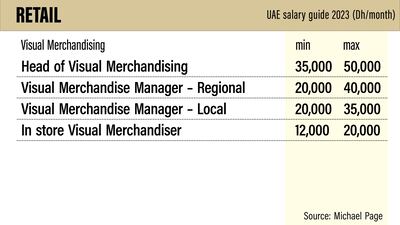
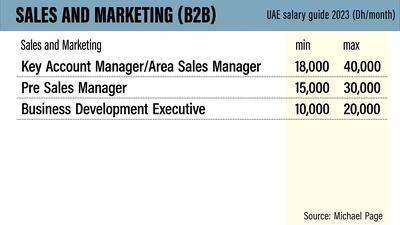
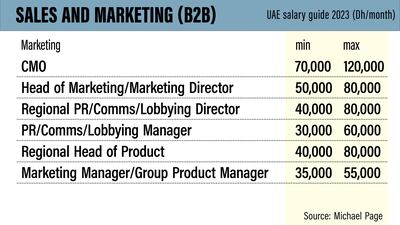
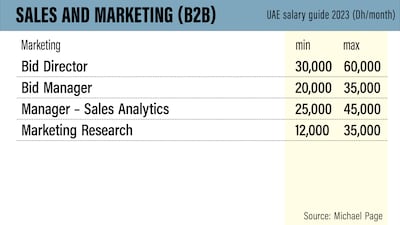
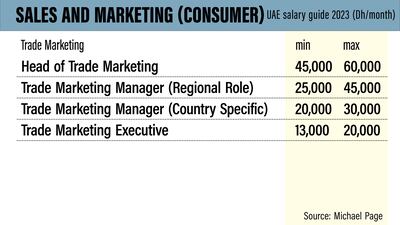
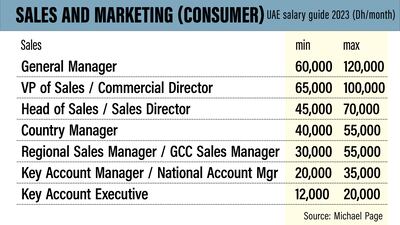
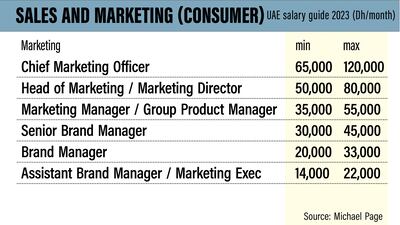
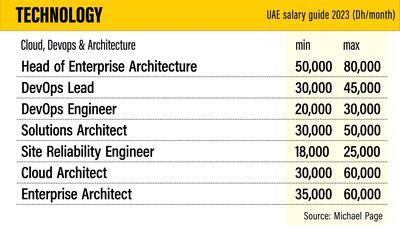
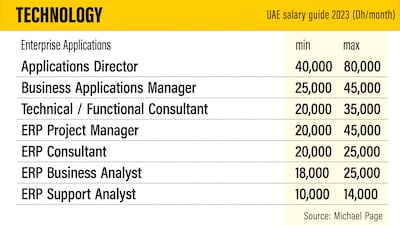
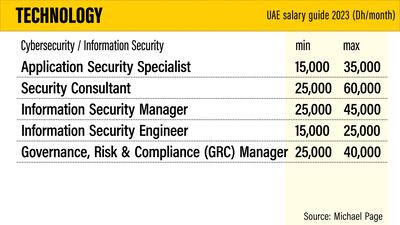
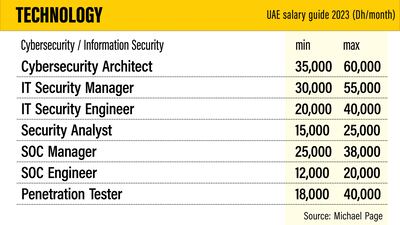
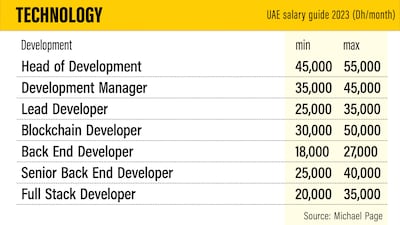
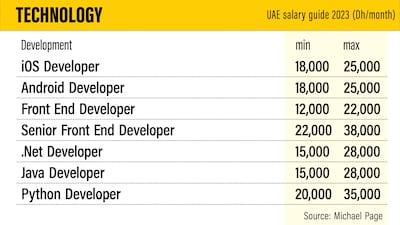
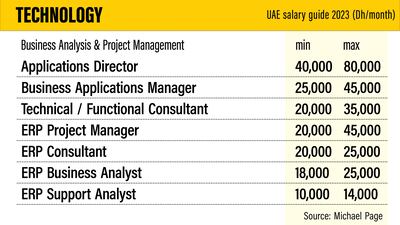
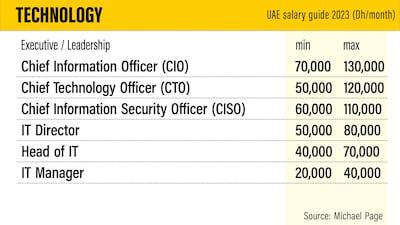
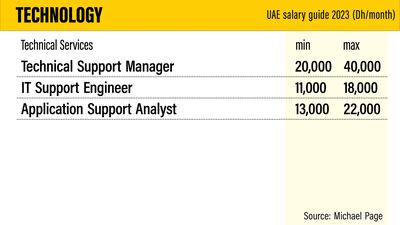
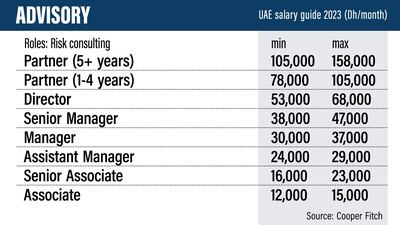
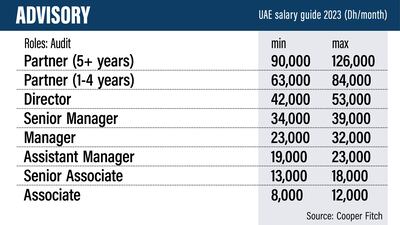
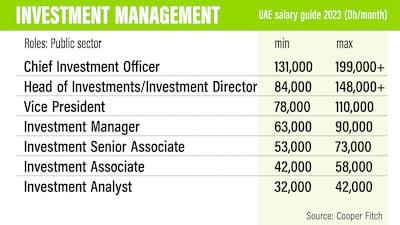
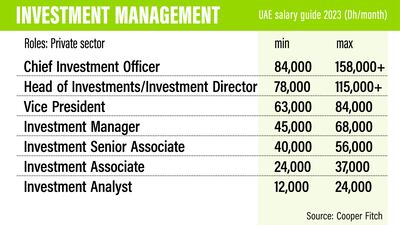
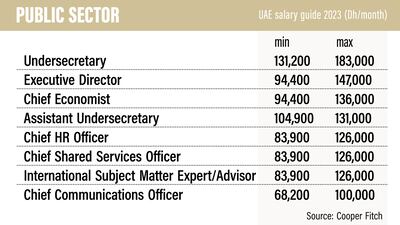
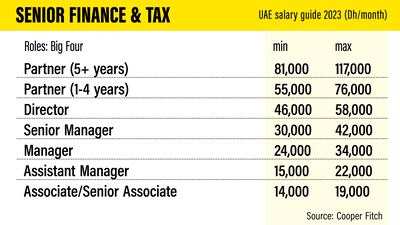
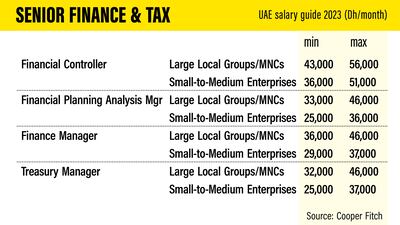
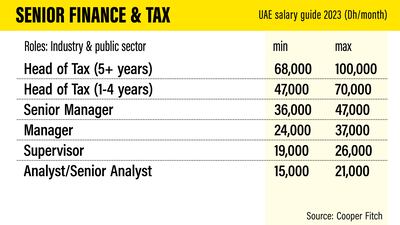
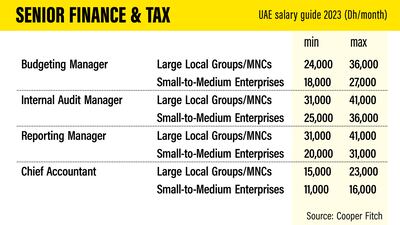
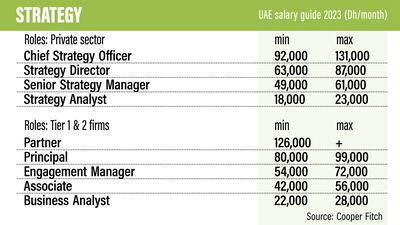
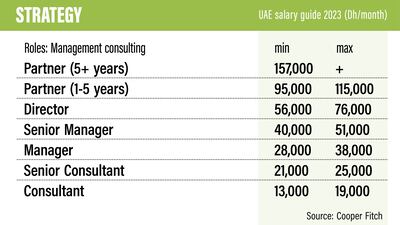
UAE salary guide 2023 - in pictures

  • UAE salary guide 2023
    UAE salary guide 2023
  • UAE salary guide 2023
    UAE salary guide 2023
  • UAE salary guide 2023
    UAE salary guide 2023
  • UAE salary guide 2023
    UAE salary guide 2023
  • UAE salary guide 2023
    UAE salary guide 2023
  • UAE salary guide 2023
    UAE salary guide 2023
  • UAE salary guide 2023
    UAE salary guide 2023
  • UAE salary guide 2023
    UAE salary guide 2023
  • UAE salary guide 2023
    UAE salary guide 2023
  • UAE salary guide 2023
    UAE salary guide 2023
  • UAE salary guide 2023
    UAE salary guide 2023
  • UAE salary guide 2023
    UAE salary guide 2023
  • UAE salary guide 2023
    UAE salary guide 2023
  • UAE salary guide 2023
    UAE salary guide 2023
  • UAE salary guide 2023
    UAE salary guide 2023
  • UAE salary guide 2023
    UAE salary guide 2023
  • UAE salary guide 2023
    UAE salary guide 2023
  • UAE salary guide 2023
    UAE salary guide 2023
  • UAE salary guide 2023
    UAE salary guide 2023
  • UAE salary guide 2023
    UAE salary guide 2023
  • UAE salary guide 2023
    UAE salary guide 2023
  • UAE salary guide 2023
    UAE salary guide 2023
  • UAE salary guide 2023
    UAE salary guide 2023
  • UAE salary guide 2023
    UAE salary guide 2023
  • UAE salary guide 2023
    UAE salary guide 2023
  • UAE salary guide 2023
    UAE salary guide 2023
  • UAE salary guide 2023
    UAE salary guide 2023
  • UAE salary guide 2023
    UAE salary guide 2023
  • UAE salary guide 2023
    UAE salary guide 2023
  • UAE salary guide 2023
    UAE salary guide 2023
  • UAE salary guide 2023
    UAE salary guide 2023
  • UAE salary guide 2023
    UAE salary guide 2023
  • UAE salary guide 2023
    UAE salary guide 2023
  • UAE salary guide 2023
    UAE salary guide 2023
  • UAE salary guide 2023
    UAE salary guide 2023
  • UAE salary guide 2023
    UAE salary guide 2023
  • UAE salary guide 2023
    UAE salary guide 2023
  • UAE salary guide 2023
    UAE salary guide 2023
  • UAE salary guide 2023
    UAE salary guide 2023
  • UAE salary guide 2023
    UAE salary guide 2023
  • UAE salary guide 2023
    UAE salary guide 2023
  • UAE Salary Guide
    UAE Salary Guide
  • UAE salary guide 2023
    UAE salary guide 2023
  • UAE salary guide 2023
    UAE salary guide 2023
  • UAE salary guide 2023
    UAE salary guide 2023
  • UAE salary guide 2023
    UAE salary guide 2023
  • UAE salary guide 2023
    UAE salary guide 2023
  • UAE salary guide 2023
    UAE salary guide 2023
  • UAE salary guide 2023
    UAE salary guide 2023
  • UAE salary guide 2023
    UAE salary guide 2023
  • UAE salary guide 2023
    UAE salary guide 2023
  • UAE salary guide 2023
    UAE salary guide 2023
  • UAE salary guide 2023
    UAE salary guide 2023
  • UAE salary guide 2023
    UAE salary guide 2023
  • UAE salary guide 2023
    UAE salary guide 2023
  • UAE salary guide 2023
    UAE salary guide 2023
  • UAE salary guide 2023
    UAE salary guide 2023
  • UAE salary guide 2023
    UAE salary guide 2023
  • UAE salary guide 2023
    UAE salary guide 2023
  • UAE salary guide 2023
    UAE salary guide 2023
  • UAE salary guide 2023
    UAE salary guide 2023
  • UAE salary guide 2023
    UAE salary guide 2023
  • UAE salary guide 2023
    UAE salary guide 2023
  • UAE salary guide 2023
    UAE salary guide 2023
  • UAE salary guide 2023
    UAE salary guide 2023
  • UAE salary guide 2023
    UAE salary guide 2023
  • UAE salary guide 2023
    UAE salary guide 2023
  • UAE salary guide 2023
    UAE salary guide 2023
  • UAE salary guide 2023
    UAE salary guide 2023
  • UAE salary guide 2023
    UAE salary guide 2023
  • UAE salary guide 2023
    UAE salary guide 2023
  • UAE salary guide 2023
    UAE salary guide 2023
  • UAE salary guide 2023
    UAE salary guide 2023
  • UAE salary guide 2023
    UAE salary guide 2023
  • UAE salary guide 2023
    UAE salary guide 2023
  • UAE salary guide 2023
    UAE salary guide 2023
  • UAE salary guide 2023
    UAE salary guide 2023
  • UAE salary guide 2023
    UAE salary guide 2023
  • UAE salary guide 2023
    UAE salary guide 2023
  • UAE salary guide 2023.
    UAE salary guide 2023.
  • UAE salary guide 2023.
    UAE salary guide 2023.
  • UAE salary guide 2023.
    UAE salary guide 2023.
  • UAE salary guide 2023
    UAE salary guide 2023
  • UAE salary guide 2023
    UAE salary guide 2023
  • UAE salary guide 2023
    UAE salary guide 2023
  • UAE salary guide 2023
    UAE salary guide 2023
  • UAE salary guide 2023
    UAE salary guide 2023
  • UAE salary guide 2023
    UAE salary guide 2023
  • UAE salary guide 2023
    UAE salary guide 2023
  • UAE salary guide 2023
    UAE salary guide 2023
  • UAE salary guide 2023
    UAE salary guide 2023
  • UAE salary guide 2023
    UAE salary guide 2023
  • UAE salary guide 2023
    UAE salary guide 2023
  • UAE salary guide 2023
    UAE salary guide 2023
  • UAE salary guide 2023
    UAE salary guide 2023

Increased cyber threats

The Middle East has been a target of several high-profile cyber attacks in recent years, such as the Shamoon malware attack in 2012 and the WannaCry ransomware attack in 2017.

This has raised awareness of the need for stronger cyber security measures and is contributing to the demand for cyber security professionals.

These threats will only continue; thus the demand for cyber security jobs will also increase in tandem.

Digital transformation

The Middle East is experiencing rapid digital transformation, with many organisations adopting new technologies, such as cloud computing, the Internet of Things and AI.

This is creating new vulnerabilities and risks that need to be managed by cyber security professionals.

Again, the appetite to keep the support local rather than offshore will only increase the need for these skills.

Mega projects

Neom, a flagship business and tourism destination being built in Saudi Arabia, has a surface area larger than Kuwait and is set to receive enormous IT investment over the coming years.

There are many similar mega projects and, once completed, there will be ongoing ICT support contracts awarded for decades.

Watch: Some of the stats behind the UAE's hiring boom

The growth opportunity in the Middle East is second to none and there seems to be no slowing down.

Overall, the demand for cyber security professionals in the Middle East is expected to continue to grow in the coming years, making it a promising field for those looking to pursue a career in this field.

If recruiters are having to headhunt some of these skills from all over the world, it would be a good idea for technology professionals in the Middle East to upskill and try to get into the cyber security ecosystem.

Students and graduates should also be encouraged to explore opportunities in this field.

John Armstrong is founder and managing director of JCA Associates

If you go...

Etihad Airways flies from Abu Dhabi to Kuala Lumpur, from about Dh3,600. Air Asia currently flies from Kuala Lumpur to Terengganu, with Berjaya Hotels & Resorts planning to launch direct chartered flights to Redang Island in the near future. Rooms at The Taaras Beach and Spa Resort start from 680RM (Dh597).

How Alia's experiment will help humans get to Mars

Alia’s winning experiment examined how genes might change under the stresses caused by being in space, such as cosmic radiation and microgravity.

Her samples were placed in a machine on board the International Space Station. called a miniPCR thermal cycler, which can copy DNA multiple times.

After the samples were examined on return to Earth, scientists were able to successfully detect changes caused by being in space in the way DNA transmits instructions through proteins and other molecules in living organisms.

Although Alia’s samples were taken from nematode worms, the results have much bigger long term applications, especially for human space flight and long term missions, such as to Mars.

It also means that the first DNA experiments using human genomes can now be carried out on the ISS.


LA LIGA FIXTURES

Friday Athletic Bilbao v Celta Vigo (Kick-off midnight UAE)

Saturday Levante v Getafe (5pm), Sevilla v Real Madrid (7.15pm), Atletico Madrid v Real Valladolid (9.30pm), Cadiz v Barcelona (midnight)

Sunday Granada v Huesca (5pm), Osasuna v Real Betis (7.15pm), Villarreal v Elche (9.30pm), Alaves v Real Sociedad (midnight)

Monday Eibar v Valencia (midnight)

Mercer, the investment consulting arm of US services company Marsh & McLennan, expects its wealth division to at least double its assets under management (AUM) in the Middle East as wealth in the region continues to grow despite economic headwinds, a company official said.

Mercer Wealth, which globally has $160 billion in AUM, plans to boost its AUM in the region to $2-$3bn in the next 2-3 years from the present $1bn, said Yasir AbuShaban, a Dubai-based principal with Mercer Wealth.

Within the next two to three years, we are looking at reaching $2 to $3 billion as a conservative estimate and we do see an opportunity to do so,” said Mr AbuShaban.

Mercer does not directly make investments, but allocates clients’ money they have discretion to, to professional asset managers. They also provide advice to clients.

“We have buying power. We can negotiate on their (client’s) behalf with asset managers to provide them lower fees than they otherwise would have to get on their own,” he added.

Mercer Wealth’s clients include sovereign wealth funds, family offices, and insurance companies among others.

From its office in Dubai, Mercer also looks after Africa, India and Turkey, where they also see opportunity for growth.

Wealth creation in Middle East and Africa (MEA) grew 8.5 per cent to $8.1 trillion last year from $7.5tn in 2015, higher than last year’s global average of 6 per cent and the second-highest growth in a region after Asia-Pacific which grew 9.9 per cent, according to consultancy Boston Consulting Group (BCG). In the region, where wealth grew just 1.9 per cent in 2015 compared with 2014, a pickup in oil prices has helped in wealth generation.

BCG is forecasting MEA wealth will rise to $12tn by 2021, growing at an annual average of 8 per cent.

Drivers of wealth generation in the region will be split evenly between new wealth creation and growth of performance of existing assets, according to BCG.

Another general trend in the region is clients’ looking for a comprehensive approach to investing, according to Mr AbuShaban.

“Institutional investors or some of the families are seeing a slowdown in the available capital they have to invest and in that sense they are looking at optimizing the way they manage their portfolios and making sure they are not investing haphazardly and different parts of their investment are working together,” said Mr AbuShaban.

Some clients also have a higher appetite for risk, given the low interest-rate environment that does not provide enough yield for some institutional investors. These clients are keen to invest in illiquid assets, such as private equity and infrastructure.

“What we have seen is a desire for higher returns in what has been a low-return environment specifically in various fixed income or bonds,” he said.

“In this environment, we have seen a de facto increase in the risk that clients are taking in things like illiquid investments, private equity investments, infrastructure and private debt, those kind of investments were higher illiquidity results in incrementally higher returns.”

The Abu Dhabi Investment Authority, one of the largest sovereign wealth funds, said in its 2016 report that has gradually increased its exposure in direct private equity and private credit transactions, mainly in Asian markets and especially in China and India. The authority’s private equity department focused on structured equities owing to “their defensive characteristics.”

While you're here
Updated: April 21, 2023, 5:00 AM