


India has a record 169 billionaires in 2023, but their combined net worth has fallen 10 per cent to $675 billion, driven down by embattled tycoon Gautam Adani’s change in fortunes, according to the Forbes 2023 World Billionaires List.
Mr Adani, once briefly the world’s second-richest person at the peak of his wealth, has lost almost half his net worth since January, when the market value of his Adani group of companies plummetted in the aftermath of a scathing report by US short-seller Hindenburg Research.
“The stock-slide nearly halved the net worth of Gautam Adani to $47.2 billion, down from $90 billion last year,” Forbes said in its annual report, which used stock prices and exchange rates from March 10 to calculate the net worth of the world’s wealthiest.
“The infrastructure and commodities tycoon … slipped to No 24 globally. He is now India’s second-wealthiest citizen.”
Watch: How India's Gautam Adani lost title as Asia's richest man
The US continues to have the most billionaires in the world, with 735 Americans on the list collectively worth $4.5 trillion, Forbes said.
China, including Hong Kong and Macau, remains second, with 562 billionaires worth $2 trillion, followed by India, it added.
Despite an 8 per cent decline in his net worth over the past year, Reliance Industries chairman Mukesh Ambani, 65, retained his place as both India’s and Asia’s richest person with a net worth of $83.4 billion, Forbes said.
Mr Ambani is also the world’s ninth-richest person.
In October 2021, Mr Ambani joined Jeff Bezos and Elon Musk in the world’s most exclusive wealth club with a fortune of at least $100 billion, Bloomberg reported.
He entered the rarefied group after his conglomerate’s stock climbed to a record high.
Since inheriting the oil-refining and petrochemicals businesses of his late father’s empire in 2005, Mr Ambani has been seeking to transform the energy giant into a retail, technology and e-commerce titan, according to Reuters.
"Ambani has his eye on succession, giving key roles in different businesses to each of his three children: Akash (telecom), Isha (retail) and Anant (green energy)," Forbes said.
Meanwhile, software tycoon Shiv Nadar is India’s third-richest person with a net worth of $25.6 billion, followed by “vaccine king” Cyrus Poonawalla with $22.6 billion.
Steel magnate Lakshmi Mittal is the fifth-richest person in India with a fortune of $17.7 billion, while O.P. Jindal Group chair Savitri Jindal is the only woman to feature on the top 10 list of India’s wealthiest people with a net worth of $17.5 billion.
Ms Jindal, the widow of founder Om Prakash Jindal, who died in a helicopter crash in 2005, is the sixth-richest person in India and also the 94th-richest person in the world.
India’s richest billionaires in 2023 - in pictures
-
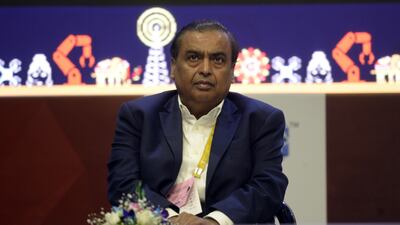
Mukesh Ambani, chairman of Reliance Industries, is India's wealthiest person, according to Forbes. Bloomberg -
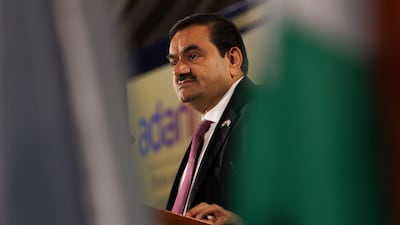
Gautam Adani, chairman of Adani Group. Bloomberg -
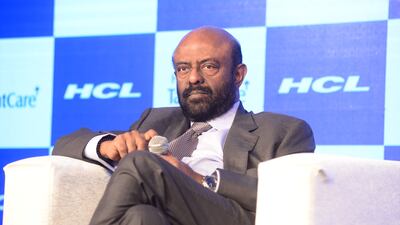
Shiv Nadar, founder and chairman of HCL. Mint via Getty Images -
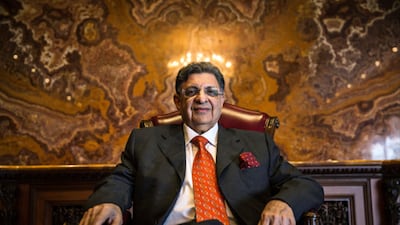
Cyrus Poonawalla, chairman of Serum Institute of India. Bloomberg -

ArcelorMittal founder Lakshmi Mittal. AFP -
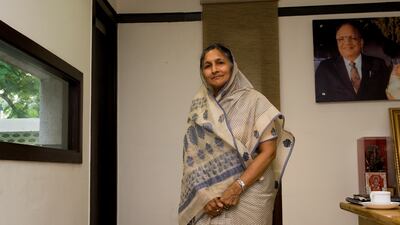
Savitri Jindal, non-executive chairwoman of Jindal Steel & Power. Mint via Getty Images -
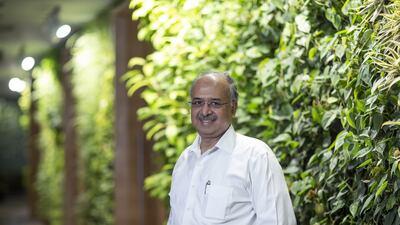
Dilip Shanghvi, chairman and founder of Sun Pharmaceutical Industries. Bloomberg -
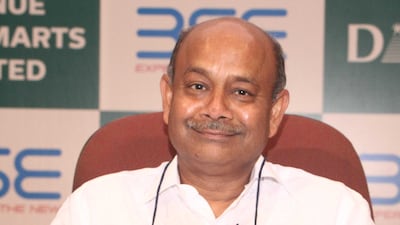
Radhakishan Damani, Indian investor. Photo: Radhakishan Damani -
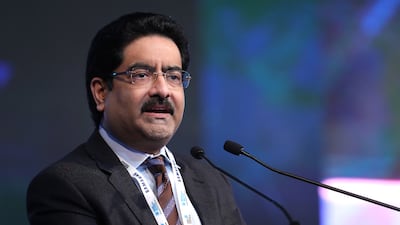
Kumar Mangalam Birla, chairman of Aditya Birla Group and Vodafone Idea. EPA-EFE -
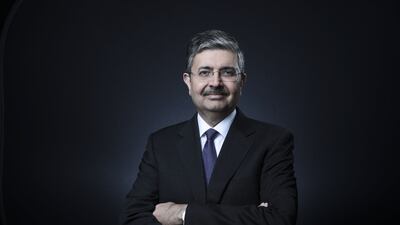
Uday Kotak, chairman of Kotak Mahindra Bank. Bloomberg


Pharmaceuticals tycoon Dilip Shanghvi is ranked seventh with a fortune of $15.6 billion, while retail magnate Radhakishan Damani — who lost nearly a quarter of his net worth over the past year — follows in eighth spot with $15.3 billion, according to Forbes.
Rounding out the top 10 is “commodities king” Kumar Birla, head of Aditya Birla Group, in ninth place with a net worth of $14.2 billion and banker Uday Kotak, executive vice chairman and managing director of Kotak Mahindra Bank, who has a fortune of $12.9 billion.
Top 10 richest billionaires in India
- Mukesh Ambani — $83.4 billion
- Gautam Adani — $47.2 billion
- Shiv Nadar — $25.6 billion
- Cyrus Poonawalla — $22.6 billion
- Lakshmi Mittal — $17.7 billion
- Savitri Jindal — $17.5 billion
- Dilip Shanghvi — $15.6 billion
- Radhakishan Damani — $15.3 billion
- Kumar Birla — $14.2 billion
- Uday Kotak — $12.9 billion
Source: Forbes

