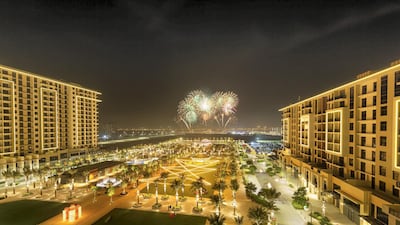
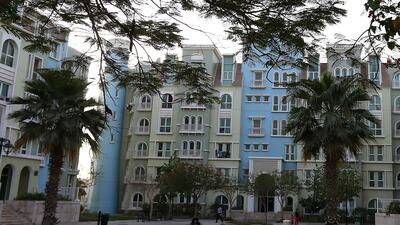
Properties on The Palm Jumeirah. A Dubai tenant is seeking advice on an eviction notice after his landlord decided to sell the flat.

UAE property: 'Can I negotiate the date of my eviction notice?'


  • English
  • Arabic

I currently have a lease agreement in place for an apartment on Palm Jumeirah, which is valid from January 1, 2022, to December 31, 2022.

On March 30, the landlord provided me with a notary public-attested eviction notice. He said the reason for the eviction was to sell the property.

The date of eviction — my last day to occupy the premises — is April 1, 2023, thus 12 months from the date the eviction notice is dated.

As per the law, the 12-month eviction notice period can only start from the date of the expiry of the current lease, so I believe the final eviction date should be December 31, 2023.

However, I understand that in some cases, practice now overrules the law and the landlord could be within his rights regarding the current eviction notice date.

I have tried to negotiate a compromise with the landlord and requested a three-month extension to vacate the premises by the end of June 2023.

I have even proposed that I pay a 5 per cent rent increase despite the Real Estate Regulatory Agency's rental index not allowing a rise. He agreed to this initially but has now walked away from the agreement.

What would be your advice? Is it is worth filing a case with the Rental Dispute Settlement Committee (RDSC)?

I have tried to do this online but it seems to be extremely confusing. For example, am I a claimant or defendant? The system also asks for the property owner's bank details, which, naturally, I do not have. JS, Dubai

To clarify your point, Law no 33 of 2008 states that the 12-month eviction notice should be served to a tenant upon expiry of the lease, thus giving them one more renewal in the property before having to vacate.

That said, some judges at the RDSC have allowed the notice period to be served at any time.

The only way you will find out if this notice will be upheld or rejected by the presiding judge of the day is if you file a case. Therefore, as you say, it may be within the landlord's right to request your eviction on April 1, 2023.

You clearly have done all that you can to request a three-month extension but it would appear that this has been ignored.

My advice now would be to sit tight and actually do nothing. Let the property be sold and when a buyer is found, you can then potentially renegotiate with them to stay in the flat.

______________

Dubai property apartment prices — August 2022 — in pictures

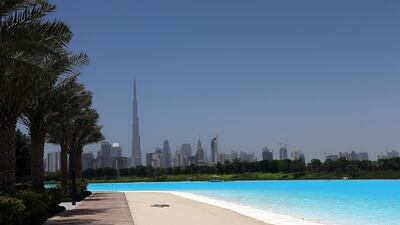
  • APARTMENT PRICES: Jumeirah: Dh2,082 per square foot — up 0.1 per cent in July, up 1.8 per cent in June, up 3.6 per cent in May, up 3.5 per cent in April. The National
    APARTMENT PRICES: Jumeirah: Dh2,082 per square foot — up 0.1 per cent in July, up 1.8 per cent in June, up 3.6 per cent in May, up 3.5 per cent in April. The National
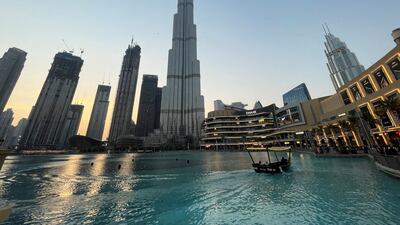
  • Downtown Dubai: Dh2,071 - up 1 per cent in July, up 0.3 per cent in June, up 0.5 per cent in May, up 0.7 per cent in April. Reuters
    Downtown Dubai: Dh2,071 - up 1 per cent in July, up 0.3 per cent in June, up 0.5 per cent in May, up 0.7 per cent in April. Reuters
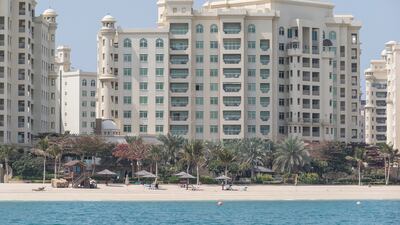
  • The Palm Jumeirah: Dh1,943 per square foot — up 1.5 per cent in July, down 4.2 per cent in June, up 4.2 per cent in May, up 4 per cent in April. Antonie Robertson / The National
    The Palm Jumeirah: Dh1,943 per square foot — up 1.5 per cent in July, down 4.2 per cent in June, up 4.2 per cent in May, up 4 per cent in April. Antonie Robertson / The National
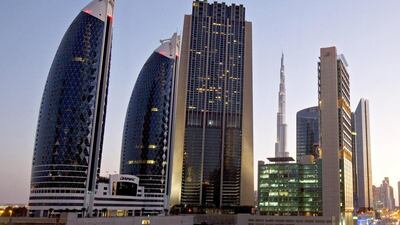
  • DIFC: Dh1,684 per square foot — up 0.3 per cent in July, down 0.5 per cent in June, up 2.5 per cent in May, up 1.2 per cent in April. Jeff Topping / The National
    DIFC: Dh1,684 per square foot — up 0.3 per cent in July, down 0.5 per cent in June, up 2.5 per cent in May, up 1.2 per cent in April. Jeff Topping / The National
  • Mohammed bin Rashid City: Dh1,551 per square foot — up 1.3 per cent in July, up 1.9 per cent in June, up 2.3 per cent in May, down 0.2 per cent in April. Satish Kumar / The National
    Mohammed bin Rashid City: Dh1,551 per square foot — up 1.3 per cent in July, up 1.9 per cent in June, up 2.3 per cent in May, down 0.2 per cent in April. Satish Kumar / The National
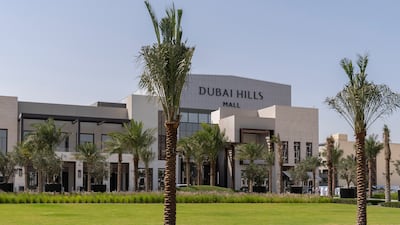
  • Dubai Hills: Dh1,537 per square foot — up 1.7 per cent in July, up 1.6 per cent, up 2.7 per cent in May, up 0.3 per cent in April. Photo: Emaar Malls Management
    Dubai Hills: Dh1,537 per square foot — up 1.7 per cent in July, up 1.6 per cent, up 2.7 per cent in May, up 0.3 per cent in April. Photo: Emaar Malls Management
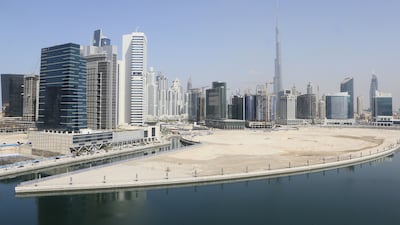
  • Business Bay: Dh1,469 per square foot — down 1.4 per cent in July, down 2.2 per cent in June, up 1.3 per cent in May, up 1.7 per cent in April. Sarah Dea / The National
    Business Bay: Dh1,469 per square foot — down 1.4 per cent in July, down 2.2 per cent in June, up 1.3 per cent in May, up 1.7 per cent in April. Sarah Dea / The National
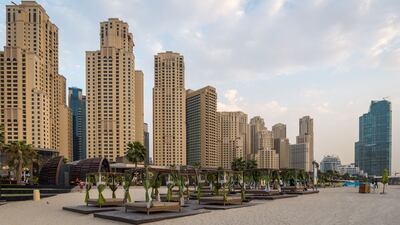
  • Jumeirah Beach Residence: Dh1,400 per square foot — down 0.8 per cent in July, down 2.8 per cent in June, down 1.0 per cent in May, down 2.2 per cent in April. Photo: LuxuryProperty.com
    Jumeirah Beach Residence: Dh1,400 per square foot — down 0.8 per cent in July, down 2.8 per cent in June, down 1.0 per cent in May, down 2.2 per cent in April. Photo: LuxuryProperty.com
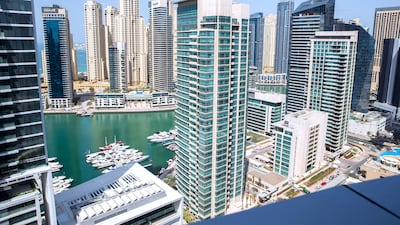
  • Dubai Marina: Dh1,418 per square foot — up 2.3 per cent in July, up 1.8 per cent in June, down 0.3 per cent in May, down 0.7 per cent in April. Victor Besa / The National
    Dubai Marina: Dh1,418 per square foot — up 2.3 per cent in July, up 1.8 per cent in June, down 0.3 per cent in May, down 0.7 per cent in April. Victor Besa / The National
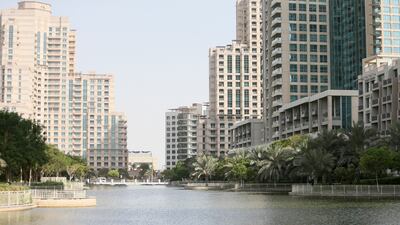
  • The Greens and The Views: Dh1,107 per square foot — up 2.4 per cent in July, up 1.2 per cent in June, down 2.5 per cent in May, down 0.6 per cent in April. Sarah Dea / The National
    The Greens and The Views: Dh1,107 per square foot — up 2.4 per cent in July, up 1.2 per cent in June, down 2.5 per cent in May, down 0.6 per cent in April. Sarah Dea / The National
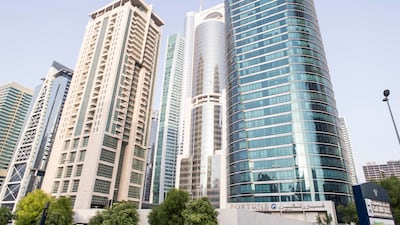
  • Jumeirah Lakes Towers: Dh1,022 per square foot — up 1.7 per cent, down 0.9 per cent in June, up 3.1 per cent in May, down 1.1 per cent in April. Antonie Robertson / The National
    Jumeirah Lakes Towers: Dh1,022 per square foot — up 1.7 per cent, down 0.9 per cent in June, up 3.1 per cent in May, down 1.1 per cent in April. Antonie Robertson / The National
  • Damac Hills: Dh1,023 per square foot — up 2.1 per cent, up 0.4 per cent in June, up 2.1 per cent in May, down 0.7 per cent in April. Pawan Singh / The National
    Damac Hills: Dh1,023 per square foot — up 2.1 per cent, up 0.4 per cent in June, up 2.1 per cent in May, down 0.7 per cent in April. Pawan Singh / The National
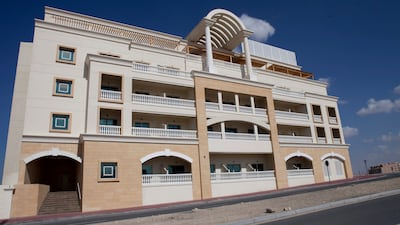
  • Jumeirah Village Circle: Dh916 per square foot — up 0.5 per cent in July, up 1.2 per cent in June, up 0.4 per cent in May, up 0.1 per cent in April. Razan Alzayani / The National
    Jumeirah Village Circle: Dh916 per square foot — up 0.5 per cent in July, up 1.2 per cent in June, up 0.4 per cent in May, up 0.1 per cent in April. Razan Alzayani / The National
  • Town Square: Dh853 per square foot — up 0.9 per cent in July, down 1.9 per cent in June, up 0.4 per cent in May, down 1.9 per cent in April.
    Town Square: Dh853 per square foot — up 0.9 per cent in July, down 1.9 per cent in June, up 0.4 per cent in May, down 1.9 per cent in April.
  • Motor City: Dh641 per square foot — down 1.8 per cent in July, down 2.5 per cent in June, up 0.8 per cent in May, down 0.7 per cent in April.
    Motor City: Dh641 per square foot — down 1.8 per cent in July, down 2.5 per cent in June, up 0.8 per cent in May, down 0.7 per cent in April.
  • Dubai Silicon Oasis: Dh612 per square foot — up 1.8 per cent in July, up 3.6 per cent in June, down 2.9 per cent in May, down 0.7 per cent in April. Chris Whiteoak / The National
    Dubai Silicon Oasis: Dh612 per square foot — up 1.8 per cent in July, up 3.6 per cent in June, down 2.9 per cent in May, down 0.7 per cent in April. Chris Whiteoak / The National
  • Dubai Sports City: Dh609 per square foot — up 0.5 per cent, up 3.0 per cent in June, down 3.9 per cent in May, down 1.1 per cent in April. Reem Mohammed / The National
    Dubai Sports City: Dh609 per square foot — up 0.5 per cent, up 3.0 per cent in June, down 3.9 per cent in May, down 1.1 per cent in April. Reem Mohammed / The National
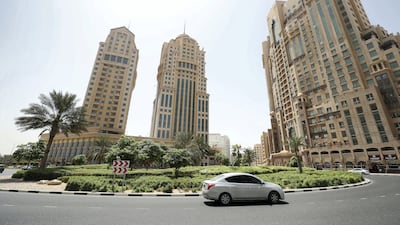
  • Discovery Gardens: Dh511 per square foot — down 0.8 per cent in July, down 1.8 per cent in June, up 0.3 per cent in May, down 2.2 per cent in April. Pawan Singh / The National
    Discovery Gardens: Dh511 per square foot — down 0.8 per cent in July, down 1.8 per cent in June, up 0.3 per cent in May, down 2.2 per cent in April. Pawan Singh / The National
  • International City: Dh450 per square foot — up 2 per cent in July, up 0.9 per cent in June, down 0.5 per cent in May, down 0.6 per cent in April. Antonie Robertson / The National
    International City: Dh450 per square foot — up 2 per cent in July, up 0.9 per cent in June, down 0.5 per cent in May, down 0.6 per cent in April. Antonie Robertson / The National

If the new buyer is an investor, they actually cannot evict you and then re-let the property. However, if the new buyer wants to move into the property and you wish to contest your original eviction date, you can file a case at the RDSC because some judges may request that the new buyer sends you their own 12-month notice to vacate.

If this is the case, you should be able to remain in the property for a much longer time than was originally set.

I read your recent article regarding the late handover of a project and have a similar situation.

I booked an apartment in Dubai in 2015 and was given a completion date of 2019. However, to date, the developer has yet to complete the project and I have suffered financially as I have already paid the 70 per cent as per the sales and purchase agreement.

The 30 per cent balance is due on handover. Can you suggest how I can claim compensation from the developer and what is the best way forward for a person in my situation? MS, Dubai

Despite the fact that developers have a permissible buffer of a 12-month delay on their projects, further delays often take place due to a variety of reasons.

Given this, it is likely that with the allowed delay of 12 months, this particular project was most likely affected by the Covid-19 pandemic.

Although I am not defending or making excuses for the developer, it is possible that because of the events of the past, the developer encountered a situation that obviously then translated into the handover delay you now face.

My advice is to try to communicate as much as possible with the developer directly to see if an agreement can be reached.

If you are not satisfied with any compensation that may be offered (or not), then your only other option would be to file a court case.

I would stress that you think about this very carefully because taking a developer to court is not an easy task and would take time, money and a great deal of effort, while the outcome is also not known.

Mario Volpi is the sales and leasing manager at Engel & Volkers. He has worked in the property sector for more than 35 years, in London and Dubai. The opinions expressed do not constitute legal advice and are provided for information only. Please send any questions to mario.volpi@engelvoelkers.com


ANDROID%20VERSION%20NAMES%2C%20IN%20ORDER
%3Cp%3EAndroid%20Alpha%3C%2Fp%3E%0A%3Cp%3EAndroid%20Beta%3C%2Fp%3E%0A%3Cp%3EAndroid%20Cupcake%3C%2Fp%3E%0A%3Cp%3EAndroid%20Donut%3C%2Fp%3E%0A%3Cp%3EAndroid%20Eclair%3C%2Fp%3E%0A%3Cp%3EAndroid%20Froyo%3C%2Fp%3E%0A%3Cp%3EAndroid%20Gingerbread%3C%2Fp%3E%0A%3Cp%3EAndroid%20Honeycomb%3C%2Fp%3E%0A%3Cp%3EAndroid%20Ice%20Cream%20Sandwich%3C%2Fp%3E%0A%3Cp%3EAndroid%20Jelly%20Bean%3C%2Fp%3E%0A%3Cp%3EAndroid%20KitKat%3C%2Fp%3E%0A%3Cp%3EAndroid%20Lollipop%3C%2Fp%3E%0A%3Cp%3EAndroid%20Marshmallow%3C%2Fp%3E%0A%3Cp%3EAndroid%20Nougat%3C%2Fp%3E%0A%3Cp%3EAndroid%20Oreo%3C%2Fp%3E%0A%3Cp%3EAndroid%20Pie%3C%2Fp%3E%0A%3Cp%3EAndroid%2010%20(Quince%20Tart*)%3C%2Fp%3E%0A%3Cp%3EAndroid%2011%20(Red%20Velvet%20Cake*)%3C%2Fp%3E%0A%3Cp%3EAndroid%2012%20(Snow%20Cone*)%3C%2Fp%3E%0A%3Cp%3EAndroid%2013%20(Tiramisu*)%3C%2Fp%3E%0A%3Cp%3EAndroid%2014%20(Upside%20Down%20Cake*)%3C%2Fp%3E%0A%3Cp%3EAndroid%2015%20(Vanilla%20Ice%20Cream*)%3C%2Fp%3E%0A%3Cp%3E%3Cem%3E*%20internal%20codenames%3C%2Fem%3E%3C%2Fp%3E%0A
SNAPSHOT

While Huawei did launch the first smartphone with a 50MP image sensor in its P40 series in 2020, Oppo in 2014 introduced the Find 7, which was capable of taking 50MP images: this was done using a combination of a 13MP sensor and software that resulted in shots seemingly taken from a 50MP camera.

Know your cyber adversaries

Cryptojacking: Compromises a device or network to mine cryptocurrencies without an organisation's knowledge.

Distributed denial-of-service: Floods systems, servers or networks with information, effectively blocking them.

Man-in-the-middle attack: Intercepts two-way communication to obtain information, spy on participants or alter the outcome.

Malware: Installs itself in a network when a user clicks on a compromised link or email attachment.

Phishing: Aims to secure personal information, such as passwords and credit card numbers.

Ransomware: Encrypts user data, denying access and demands a payment to decrypt it.

Spyware: Collects information without the user's knowledge, which is then passed on to bad actors.

Trojans: Create a backdoor into systems, which becomes a point of entry for an attack.

Viruses: Infect applications in a system and replicate themselves as they go, just like their biological counterparts.

Worms: Send copies of themselves to other users or contacts. They don't attack the system, but they overload it.

Zero-day exploit: Exploits a vulnerability in software before a fix is found.

Haemoglobin disorders explained

Thalassaemia is part of a family of genetic conditions affecting the blood known as haemoglobin disorders.

Haemoglobin is a substance in the red blood cells that carries oxygen and a lack of it triggers anemia, leaving patients very weak, short of breath and pale.

The most severe type of the condition is typically inherited when both parents are carriers. Those patients often require regular blood transfusions - about 450 of the UAE's 2,000 thalassaemia patients - though frequent transfusions can lead to too much iron in the body and heart and liver problems.

The condition mainly affects people of Mediterranean, South Asian, South-East Asian and Middle Eastern origin. Saudi Arabia recorded 45,892 cases of carriers between 2004 and 2014.

A World Health Organisation study estimated that globally there are at least 950,000 'new carrier couples' every year and annually there are 1.33 million at-risk pregnancies.

Mercer, the investment consulting arm of US services company Marsh & McLennan, expects its wealth division to at least double its assets under management (AUM) in the Middle East as wealth in the region continues to grow despite economic headwinds, a company official said.

Mercer Wealth, which globally has $160 billion in AUM, plans to boost its AUM in the region to $2-$3bn in the next 2-3 years from the present $1bn, said Yasir AbuShaban, a Dubai-based principal with Mercer Wealth.

Within the next two to three years, we are looking at reaching $2 to $3 billion as a conservative estimate and we do see an opportunity to do so,” said Mr AbuShaban.

Mercer does not directly make investments, but allocates clients’ money they have discretion to, to professional asset managers. They also provide advice to clients.

“We have buying power. We can negotiate on their (client’s) behalf with asset managers to provide them lower fees than they otherwise would have to get on their own,” he added.

Mercer Wealth’s clients include sovereign wealth funds, family offices, and insurance companies among others.

From its office in Dubai, Mercer also looks after Africa, India and Turkey, where they also see opportunity for growth.

Wealth creation in Middle East and Africa (MEA) grew 8.5 per cent to $8.1 trillion last year from $7.5tn in 2015, higher than last year’s global average of 6 per cent and the second-highest growth in a region after Asia-Pacific which grew 9.9 per cent, according to consultancy Boston Consulting Group (BCG). In the region, where wealth grew just 1.9 per cent in 2015 compared with 2014, a pickup in oil prices has helped in wealth generation.

BCG is forecasting MEA wealth will rise to $12tn by 2021, growing at an annual average of 8 per cent.

Drivers of wealth generation in the region will be split evenly between new wealth creation and growth of performance of existing assets, according to BCG.

Another general trend in the region is clients’ looking for a comprehensive approach to investing, according to Mr AbuShaban.

“Institutional investors or some of the families are seeing a slowdown in the available capital they have to invest and in that sense they are looking at optimizing the way they manage their portfolios and making sure they are not investing haphazardly and different parts of their investment are working together,” said Mr AbuShaban.

Some clients also have a higher appetite for risk, given the low interest-rate environment that does not provide enough yield for some institutional investors. These clients are keen to invest in illiquid assets, such as private equity and infrastructure.

“What we have seen is a desire for higher returns in what has been a low-return environment specifically in various fixed income or bonds,” he said.

“In this environment, we have seen a de facto increase in the risk that clients are taking in things like illiquid investments, private equity investments, infrastructure and private debt, those kind of investments were higher illiquidity results in incrementally higher returns.”

The Abu Dhabi Investment Authority, one of the largest sovereign wealth funds, said in its 2016 report that has gradually increased its exposure in direct private equity and private credit transactions, mainly in Asian markets and especially in China and India. The authority’s private equity department focused on structured equities owing to “their defensive characteristics.”

Red flags
  • Promises of high, fixed or 'guaranteed' returns.
  • Unregulated structured products or complex investments often used to bypass traditional safeguards.
  • Lack of clear information, vague language, no access to audited financials.
  • Overseas companies targeting investors in other jurisdictions - this can make legal recovery difficult.
  • Hard-selling tactics - creating urgency, offering 'exclusive' deals.

Courtesy: Carol Glynn, founder of Conscious Finance Coaching

What can victims do?

Always use only regulated platforms

Stop all transactions and communication on suspicion

Save all evidence (screenshots, chat logs, transaction IDs)

Report to local authorities

Warn others to prevent further harm

Courtesy: Crystal Intelligence

Dubai Rugby Sevens

November 30, December 1-2
International Vets
Christina Noble Children’s Foundation fixtures

Thursday, November 30:

10.20am, Pitch 3, v 100 World Legends Project
1.20pm, Pitch 4, v Malta Marauders

Friday, December 1:

9am, Pitch 4, v SBA Pirates

LOVE%20AGAIN
%3Cp%3EDirector%3A%20Jim%20Strouse%3C%2Fp%3E%0A%3Cp%3EStars%3A%20Priyanka%20Chopra%20Jonas%2C%20Sam%20Heughan%2C%20Celine%20Dion%3C%2Fp%3E%0A%3Cp%3ERating%3A%202%2F5%3C%2Fp%3E%0A
Updated: September 15, 2022, 4:00 AM