

I have a property in Dubai with a tenant occupying the residence until September 30. However, I wish to sell the unit as soon as possible.
I know that I need to give them a 12-month notarised eviction notice. Can I serve this notice before September 30 and sell the property with the tenant still in place?
I live in Singapore. Can this be done without me travelling to Dubai?
Does the eviction notice need to be delivered directly to the tenant by a courier company or can it be posted on the unit’s door?
Do you have a ballpark figure on how much it would cost to create this notice and deliver it? RD, Singapore
The 12 months’ notice to evict a tenant should be served upon expiry of the preceding tenancy agreement, according to Law 26 of 2007 and the amended Law 33 of 2008, which govern the relationships between landlords and tenants.
However, some judges at the Rental Dispute Settlement Committee are allowing this notice to be served at any time. It, therefore, appears that you can serve the notice whenever you like.
You can also market the property for sale and sell it with a tenant in residence.
As the eviction notice can be delivered either via notary public or registered mail, you can send it from Singapore. You will have to translate the document into Arabic.
When the notice is being sent through a notary public, it is common practice in Dubai to also send it by registered mail.
The courier company will paste the eviction notice on the apartment door and this action is considered as a delivery in the court’s eyes.
If you cannot travel to Dubai, you can appoint a power of attorney to act on your behalf to start proceedings at the rent committee.
You can use the services of a lawyer or conveyancing company to do this. Their charges vary depending on who you choose, but start from about Dh4,000.
Drawing up a notarised eviction notice and sending it by registered mail should cost less than Dh1,000.
I signed a memorandum of understanding to buy a vacant unit on transfer from an individual seller. I was expecting to receive the apartment from the developer in June 2022, but it is not ready yet.
I checked a similar apartment from another phase in the project, but found it unsuitable because the bathroom is small.
I refused to proceed with the transaction and offered the seller Dh90,000 as compensation for any losses he may have incurred.
However, the seller refused to cancel the MoU and insists on being paid 10 per cent deposit, as stated in the document. I have not given the 10 per cent deposit cheque to the agent yet.
The MoU was not executed on the Dubai Land Department website. JL, Dubai
Since you were not able to view the unit you were hoping to buy, I understand why you would not wish to proceed now.
When one party wishes to break a contract of sale, the normal form of compensation is to forfeit the 10 per cent deposit given at the time of signing.
Even though you didn’t lodge this payment at the time of signing the MoU, it does not mean you cannot offer the amount now.
If the Dh90,000 you are offering is not equivalent to the 10 per cent deposit, you should look to increase the compensation amount.
A signed paper MoU, while still a legal document, does not hold any weight at the DLD.
For some time now, the electronically generated Form A (contract between agent and seller) and Form B (contract between buyer and agent) are necessary to create Form F (contract of sale between buyer and seller). This is done through the DLD app.
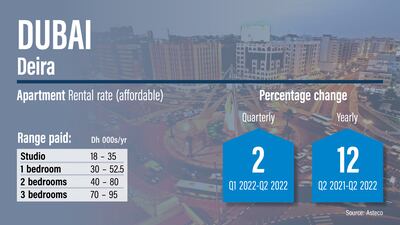
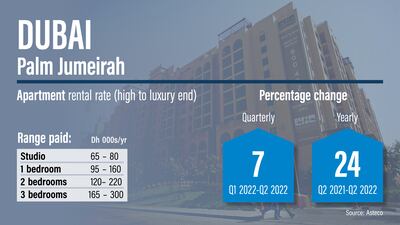
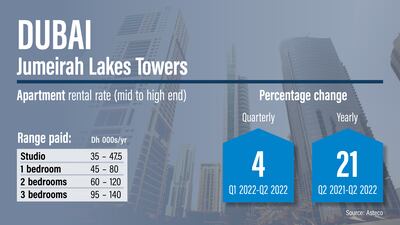
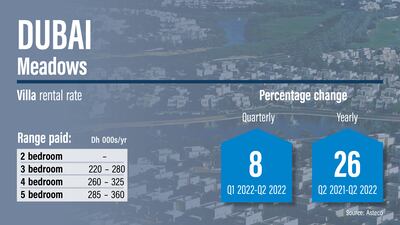
Dubai rents, Q2 2022
-
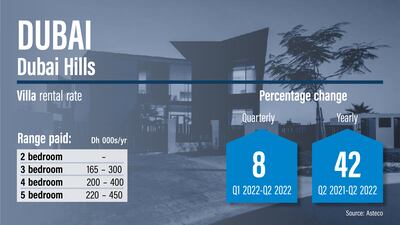
Dubai rents Q2, 2022 -

Dubai rents Q2, 2022 -
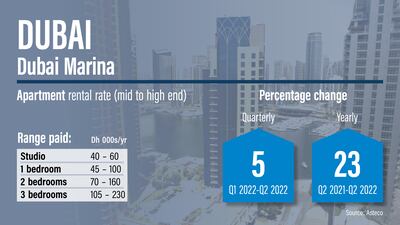
Dubai rents Q2, 2022 -

Dubai rents Q2, 2022 -
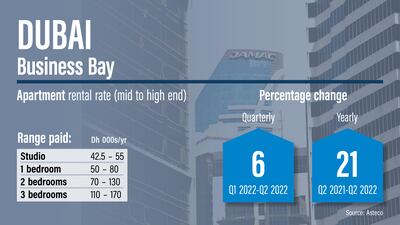
Dubai rents Q2, 2022 -
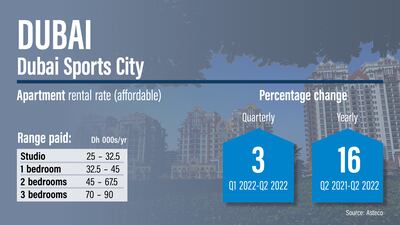
Dubai rents Q2, 2022 -
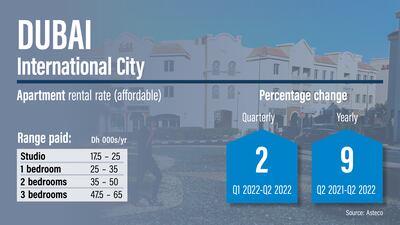
Dubai rents Q2, 2022 -
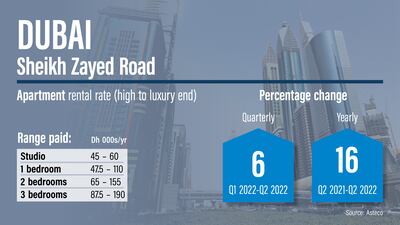
Dubai rents Q2, 2022 -
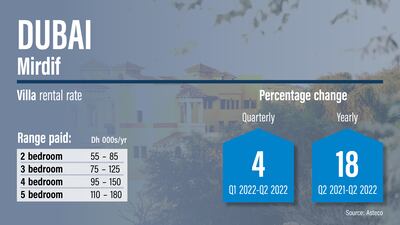
Dubai rents Q2, 2022 -
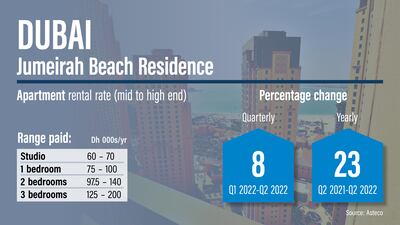
Dubai rents Q2, 2022 -
Dubai rents Q2, 2022 -
Dubai rents Q2, 2022 -
Dubai rents Q2, 2022 -

Dubai rents Q2, 2022 -

Dubai rents Q2, 2022 -
Dubai rents Q2, 2022 -
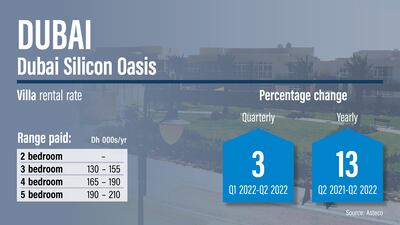
Dubai rents Q2, 2022 -
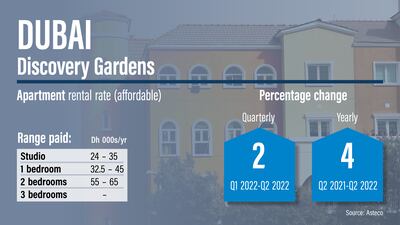
Dubai rents Q2, 2022 -

Dubai rents Q2, 2022 -
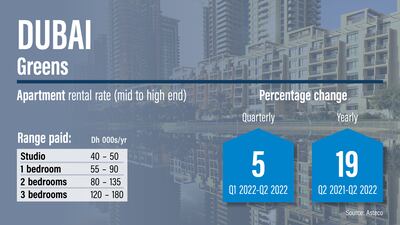
Dubai rents Q2, 2022 -
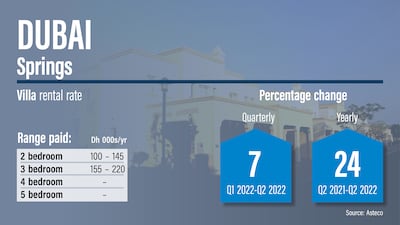
Dubai rents Q2, 2022 -

Dubai rents Q2, 2022 -
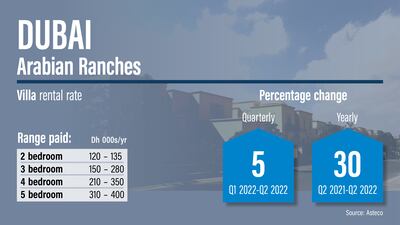
Dubai rents Q2, 2022 -
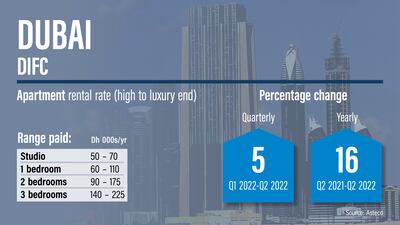
Dubai rents Q2, 2022 -

Dubai rents Q2, 2022 -
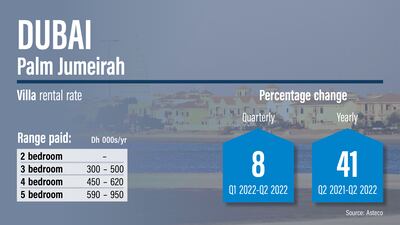
Dubai rents Q2, 2022


This is the correct method of drafting the property sale contract, the DLD has said.
If the MoU is not made this way, the DLD will not honour it should there be a dispute. Therefore, you would need to go to the civil court to resolve your dispute. This would take time and cost a fair amount of money.
If you can arrange for a mutual agreement to cancel the contract between you and the seller, this will be more suitable than going to court.
Alternatively and to avoid unnecessary expenses, you could still buy the unit and immediately try to sell it to someone else. This will offer you freedom, but could take a long time.
Mario Volpi is the sales and leasing manager at Engel & Volkers. He has worked in the property sector for more than 35 years, in London and Dubai. The opinions expressed do not constitute legal advice and are provided for information only. Please send any questions to mario.volpi@engelvoelkers.com

