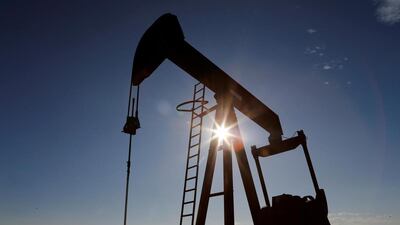
Oil has recovered from April, when Brent slumped to a 21-year low. Reuters

Oil holds near $44 as it heads for weekly drop on demand concerns


  • English
  • Arabic

Oil held around $44 a barrel on Friday and was heading for its biggest weekly decline since June, as weak demand figures added to concerns of a slow recovery from the Covid-19 pandemic.

A US government report showed domestic petrol demand fell in the latest week. Middle distillates inventories at Asia's oil hub Singapore have soared above a nine-year high, official data showed.

Brent crude, the international benchmark, was up 0.1 per cent to $44.12 a barrel, heading for a 2.3 per cent drop this week. Whereas, the US West Texas Intermediate fell to $41.34, set for the first weekly drop in five weeks.

“Demand concerns are firmly front and centre of traders' minds," said Stephen Brennock of oil broker PVM.

FGE analysts said rising coronavirus cases worldwide and renewed lockdowns would dash hopes of a drawdown in oil inventories for some time. The pressure remains on refiners to keep operating rates low, FGE said.

Oil has recovered from April, when Brent slumped to a 21-year low below $16 and US crude briefly went into negative territory.

A record supply cut since May by the Opec and allies, a grouping known as Opec+, has supported prices.

Opec began in August to ease the volume of the cutback, raising output by almost 1 million barrels per day according to a Reuters survey.


Living in...

This article is part of a guide on where to live in the UAE. Our reporters will profile some of the country’s most desirable districts, provide an estimate of rental prices and introduce you to some of the residents who call each area home.

In numbers: PKK’s money network in Europe

Germany: PKK collectors typically bring in $18 million in cash a year – amount has trebled since 2010

Revolutionary tax: Investigators say about $2 million a year raised from ‘tax collection’ around Marseille

Extortion: Gunman convicted in 2023 of demanding $10,000 from Kurdish businessman in Stockholm

Drug trade: PKK income claimed by Turkish anti-drugs force in 2024 to be as high as $500 million a year

Denmark: PKK one of two terrorist groups along with Iranian separatists ASMLA to raise “two-digit million amounts”

Contributions: Hundreds of euros expected from typical Kurdish families and thousands from business owners

TV channel: Kurdish Roj TV accounts frozen and went bankrupt after Denmark fined it more than $1 million over PKK links in 2013