

Turkey boosted its fuel taxes by about 200 per cent as the country's central government budget swung to its widest deficit on record.
The move comes after elections won by President Recep Tayyip Erdogan with the help of costly giveaways that risk contributing to one of the biggest fiscal shortfalls in years.
The deficit in June reached 219.6 billion liras ($8.4 billion), compared with a 118.9 billion-lira ($4.5 billion) surplus the previous month, according to data published by the Treasury and Finance Ministry on Monday.
On an annual basis, the gap widened nearly sevenfold.
Since a victory at the ballot box in May gave Mr Erdogan another five years in office, the Turkish leader has installed a new team that is now trying to patch up the budget and scale back policies blamed for destabilising the $900 billion economy.
Apart from Mr Erdogan’s election pledges – which ranged from free natural gas for households for a month to raising pensions and public-sector pay – the budget is also under pressure from the impact of February earthquakes, which inflicted an estimated $100 billion in damages.
On Sunday, the government almost tripled fuel taxes, a move it said would help cover the financing needs of post-quake reconstruction.
In recent weeks, it has also raised levies on a wide range of goods and increased taxes on banks and corporations.
The string of increases may lead to inflation of about 60 per cent at the end of the year, said Cem Cakmakli, an assistant professor of economics at Istanbul-based Koc University.
Even before they were introduced, estimates were around the 50 per cent mark, he said.
-

Cracks on a farm in Kahramanmaras, the epicentre of the first 7.8-magnitude earthquake, in south-eastern Turkey. AFP -
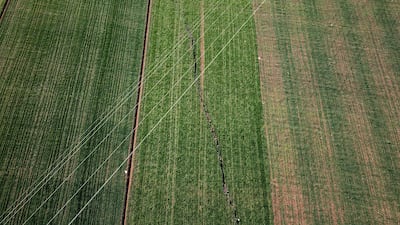
The ground has cracked open in various areas as a result of the earthquake in Turkey and neighbouring Syria. AFP -
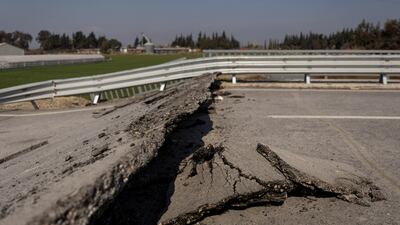
A motorway damaged by the quake, in Hatay, Turkey. Reuters -

A destroyed road near Koseli village, in Kahramanmaras. AP -
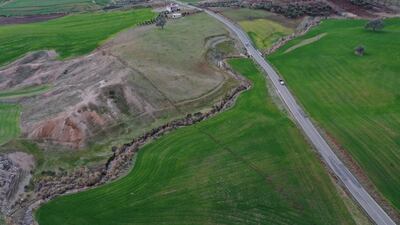
Grasslands and a motorway split in two, near Tevekkeli village, in Kahramanmaras. Reuters -
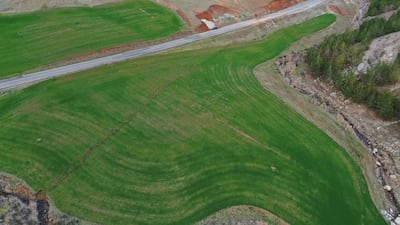
Cracks in the ground, near Tevekkeli village, in Kahramanmaras. Reuters -
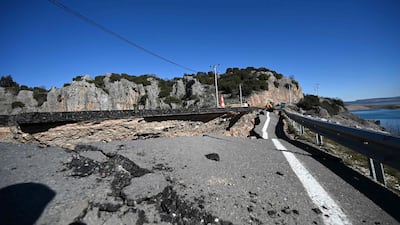
A road near the quake’s epicentre, in Pazarcik, Kahramanmaras. AFP -
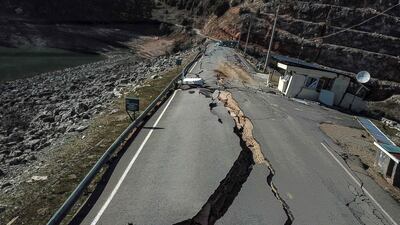
Land on either side of the ruptures moved in opposite directions up to seven metres in some locations, according to data from the California Institute of Technology. AFP -
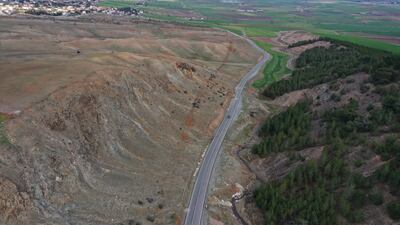
Villages such as Tevekkeli, above, and small towns directly above the fault line suffered some of the most severe shaking. Reuters -
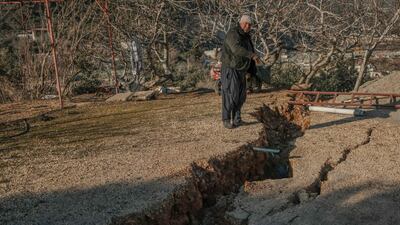
A resident shows the giant cracks next to his home in Nurdagi. AFP -
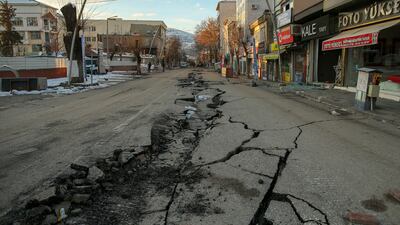
A damaged road in Golbasi, Adiyaman province. AP -
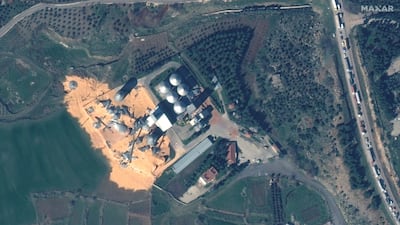
Grain silos damaged by the earthquake, in Nurdagi. Reuters -
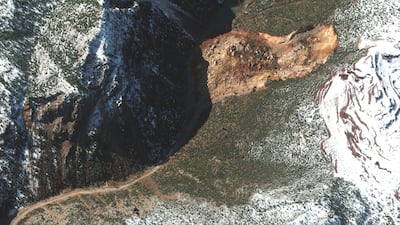
A blocked road after a landslide caused by the earthquake, in the Islahiye region of Turkey's Gaziantep. AP


“But the wave of hikes from fuel, and especially diesel, will have a broad impact as most of the economic activity runs on diesel,” Mr Cakmakli said.
“We expect massive price increases in food”, considering how critical diesel is to production and transport, he said.
Before the fuel tax increase, Bloomberg Economics estimated Turkey’s annual budget deficit would hit 6.3 per cent of gross domestic product.
“Turkey is standing on relatively firm fiscal ground but we see that likely to change in the near term,” according to Bloomberg Economics.
“With expansionary policies in the lead-up to the elections, the necessary spending on quake-related relief and the expedited rebuilding in disaster-struck areas, we see a wider gap on the fiscal budget in 2023 and beyond.”
Other highlights from the budget report that expenditure rose by an annual 130 per cent, driven by capital and current transfers and personnel wages.
The deficit from January to June stood at 483 billion liras while government revenue rose by 48 per cent from a year earlier on the back of corporate and income taxes.

