


The increased participation of women in the labour force in Saudi Arabia, combined with greater spending opportunities, boosted domestic consumption in the kingdom in the first quarter, supporting the strong growth of wholesale and retail trade, according to a new report.
The wholesale and retail trade sector expanded by 7.5 per cent in the first three months of the year and now accounts for a little less than 10 per cent of the kingdom's overall gross domestic product, Jadwa Investment said in a report.
“Demand is being propelled by women joining the workforce, while on the supply side, there is ever-increasing scope to spend new incomes on entertainment and domestic tourism,” it said.

As part of Saudi Arabia's Vision 2030 agenda, aimed at diversifying its economy away from oil, the kingdom plans to increase the participation of women in the workforce.
Female representation in the labour force increased to 36 per cent over the past three years from 20 per cent, Jadwa said in an April report.
The increase was spurred by expanding childcare and transport services, which added to new job opportunities in developing sectors such as tourism, leading to more women joining the labour market, it said.
Tourism is also a key part of the kingdom's diversification plan, with the country aiming to attract 100 million visitors by 2030.
Saudi Arabia now claims the title of the world’s fastest growing tourism destination, according to data from the UN World Tourism Organisation.
In 2022, more than 93.5 million tourists visited Saudi Arabia – 77 million domestic and 16.5 million international visitors. This year, the kingdom hopes to attract 30 million tourists, after a record first quarter when it hosted 7.8 million international arrivals, Ahmed Al Khateeb, Minister of Tourism for Saudi Arabia, told an investment forum in Paris this week.
-
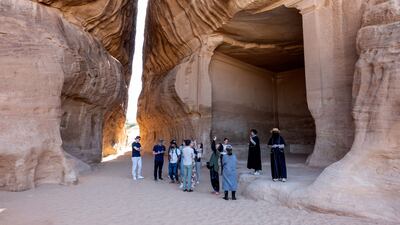
Tourists take a tour of the ancient Nabataean site of Hegra in AlUla, Saudi Arabia. Bloomberg -
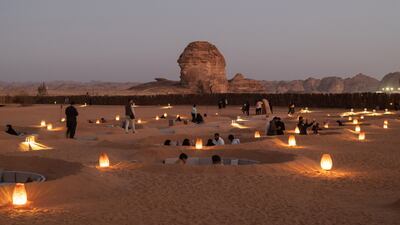
Outdoor seating at the Harrat Viewpoint in AlUla. Bloomberg -
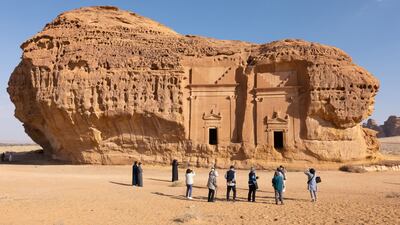
Hegra’s Tomb of Lihyan in AlUla. Bloomberg -
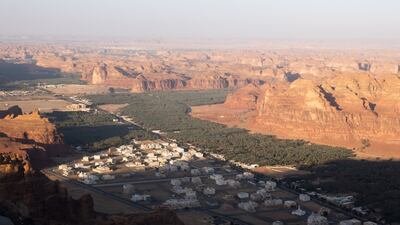
The ancient archeological site of AlUla is seen from the Harrat Viewpoint. Bloomberg -
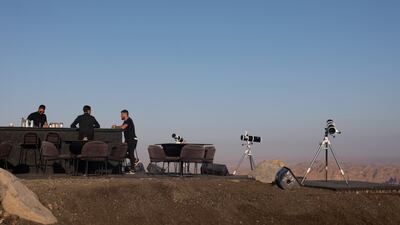
Staff of the Okto restaurant at the Harrat Viewpoint observation site. Bloomberg -
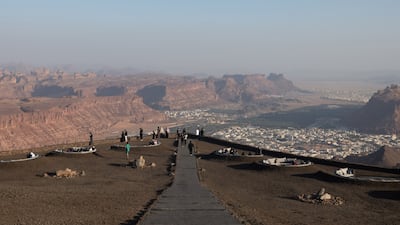
Tourists at the Harrat Viewpoint. Bloomberg -
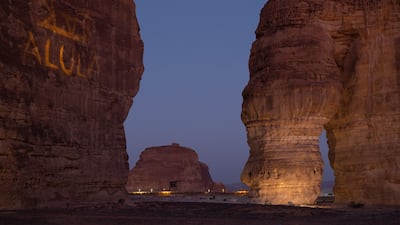
Evening illuminations at the Elephant Rock site, also known as Jabal Alfil. Bloomberg -
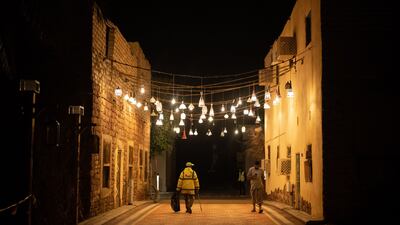
The restored Old Town of AlUla. Bloomberg -
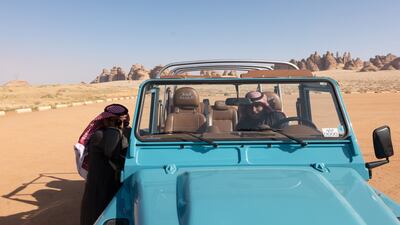
Private drivers wait for tourists. Bloomberg -
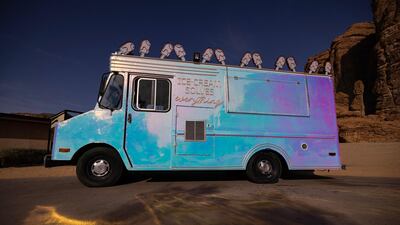
An ice cream van parked at the ancient archeological site. AFP


Saudi Arabia's economy grew by 3.8 per cent in the first quarter on an annual basis, boosted by growth in the non-oil sector, the General Authority for Statistics said this month.
The country's GDP expanded at a slightly softer pace in the three months to the end of March than the initial estimate of 3.9 per cent.
The non-oil sector grew 5.4 per cent in the first three months of the year compared with the same quarter in 2022, while oil activities rose 1.4 per cent during the period, Gastat data showed.
Within the non-oil sector, another industry that recorded strong growth in the first quarter was construction, the Jadwa report said.
“Following a challenging couple of years (mainly Covid-19-related), the construction sector appears to have rebounded quite forcefully, growing by an annual 5.5 per cent in the first quarter,” it said.
The sector's average growth for the past four quarters has been 5.9 per cent.
“The sector has obviously benefitted from the surge in public sector investment, most notably around giga-projects, though housing construction has also been a significant tailwind,” the report said.
“There are some constraints around labour and other inputs, though this is hardly surprising given the pickup in pace of project roll-out as interim Vision 2030 deadlines loom.”
-
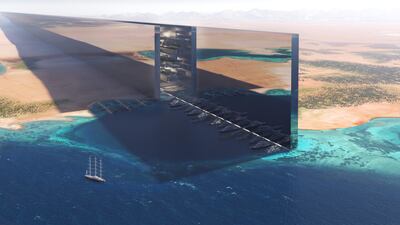
The Line is one of 10 districts in Saudi Arabia's $500 billion Neom megacity. Photo: Neom -
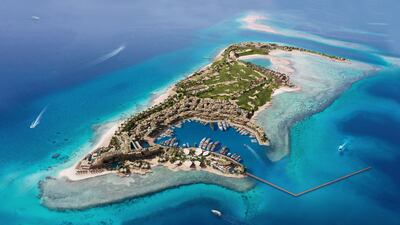
Sindalah Island is set to be the first destination open to the public within the Neom mega project. Photo: Neom -
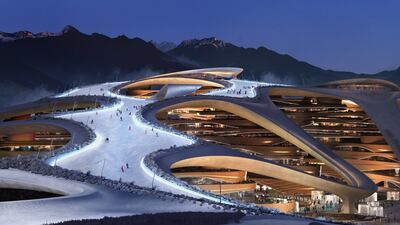
Trojena, a mountain tourism destination, will be the first major outdoor skiing site in the GCC. Photo: Neom -
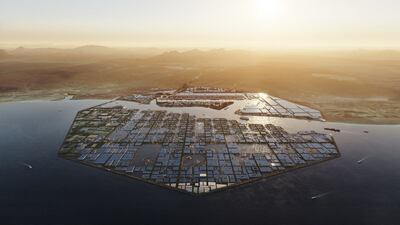
Oxagon, part of the Neom mega project, is a futuristic new industrial city in the sea. Photo: Neom -
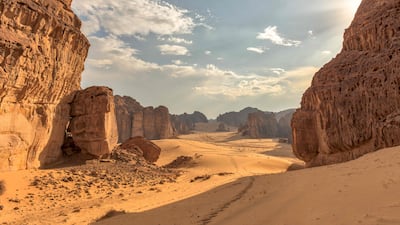
AlUla is a budding tourist magnet in the north-western Madinah region. AFP -
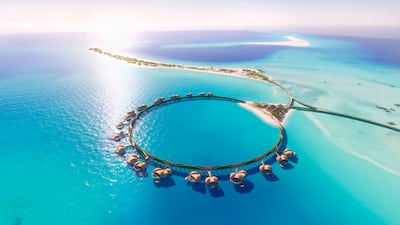
When it opens in 2023, Nujuma, a Ritz-Carlton Reserve, will form part of The Red Sea project. Photo: Marriott International -
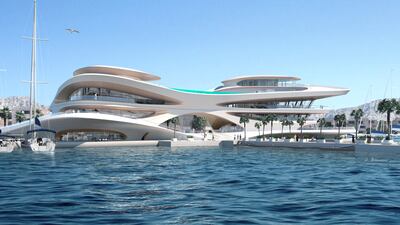
Amaala has unveiled the design for its Triple Bay Yacht Club. Photo: Amaala -
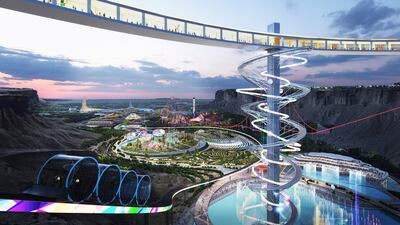
Qiddiya City is an entertainment development project to be established in Riyadh. -
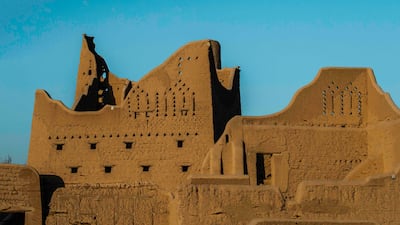
Salwa Palace is the largest standing structure in the historic city of Diriyah. Photo: Diriyah Gate Development Authority -

A screen grab of aerial footage of the King Salman Park in Riyadh. The project is set to become the world’s biggest urban park.



