

The UAE economy is set to post its strongest annual expansion since 2011 after it grew by 8.2 per cent in the first three months of this year on higher oil prices and measures to mitigate the impact of the Covid-19 pandemic.
Growth in the first quarter was driven by a sharp increase in oil production, as well as a noticeable improvement in the real non-oil gross domestic product, the UAE Central Bank said in its latest Quarterly Economic Review 2022.
The Arab world’s second-largest economy, which expanded 3.8 per cent in 2021, is expected to grow 5.4 per cent and 4.2 per cent in 2022 and 2023, respectively, according to the latest projections by the regulator.
The IMF projects that the UAE economy will grow 4.2 per cent this year while Emirates NBD forecasts growth of 5.7 per cent and Abu Dhabi Commercial Bank (ADCB) expects a 6 per cent expansion, supported by a sharp rise in the oil sector.
An expansion of 6 per cent would be the highest since 2011, when the economy grew 6.9 per cent.
ADCB recently raised its growth estimates “on the back of stronger oil sector growth outlook, Opec+ plans to bring forward production increases, alongside expectations that the UAE will increase oil output further from September”, its chief economist Monica Malik said.
Edward Bell, Emirates NBD's senior director of market economics, said the lender also expects oil production to continue to increase as Opec+ output rises and the UAE invests more into upstream capacity, for both oil and natural gas.
There is a higher probability of stronger growth, the Central Bank said, as a result of oil output, higher prices and government initiatives to double the size of the manufacturing sector by 2031.
Oil prices have hovered at or above $100 a barrel since Russia’s military offensive in Ukraine started in February.
Brent, the key benchmark for two thirds of the world's oil, closed in on $140 in March and is up about 36 per cent since the start of the year.
The UAE's oil production in the first quarter averaged 2.95 million barrels per day while the country's hydrocarbon GDP is estimated to have grown 13 per cent a year, data from the Central Bank showed.
“Depending on the developments in global economic activity, recessionary expectations and geopolitical tensions, there may be space for increased oil supply to balance the markets and stimulate global growth,” the Central Bank said.
Market dynamics, the pandemic and the Ukraine war, now in its fifth month, have prompted the International Monetary Fund, the World Bank and the Institute of International Finance to cut their forecasts for the global economy this year.
Based on the current supply and demand dynamics in the global oil market, the Central Bank expects oil GDP to grow 8 per cent and 5 per cent in 2022 and 2023, respectively, depending on the outcome of the Ukraine conflict and further post-Covid economic recovery gains.
The UAE's non-oil sector has also grown, expanding by more than 6 per cent in the first three months of the year, largely due to containment of Covid-19, the easing of pandemic-related restrictions, the Expo 2020 Dubai and the recovery in global travel, according to the Central Bank.
For 2022 and 2023 as a whole, the Central Bank expects non-oil GDP to expand by 4.3 per cent and 3.9 per cent, respectively.
Despite economic headwinds intensifying against the backdrop of weaker global growth, a strong US dollar, rising interest rates and higher inflation, ADCB expects “strong momentum and still supported overall sentiment going into the second half of 2022,” Ms Malik said, in remarks about the UAE's non-oil economy.
“We still see a number of support factors, such as pent-up demand for international travel, whilst Qatar’s hosting of the Fifa World Cup will also be an important support factor,” she said.
Along with the oil price boost, increased government and private sector spending is driving GDP growth, the Central Bank said.
Given the rally in oil and gas prices and the expected increase in production, 2022 is set for higher government revenue, boosting public spending further.
The UAE economy is also benefitting from a vibrant private sector, supported by comprehensive reforms and a labour market that continues to attract the best talent.
UAE banks have registered a strong rebound in the first quarter of this year, with robust loan growth and significant margin gains supported by rising interest rate environment.
-

Traders looking to increase the prices of 10 basic items in the UAE - including eggs - have to get approval from the Ministry of Economy. Khushnum Bhandari / The National -
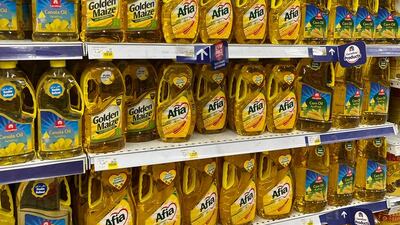
Cooking oil is among the 10 items on the list. Salam Al Amir / The National -

In April, the Ministry of Economy approved a new policy to keep a check on the prices of basic consumer goods such as eggs, bread, flour and salt. Chris Whiteoak/ The National -

The ministry said it will establish a formal channel through which suppliers or traders can submit requests to raise prices. Khushnum Bhandari / The National -
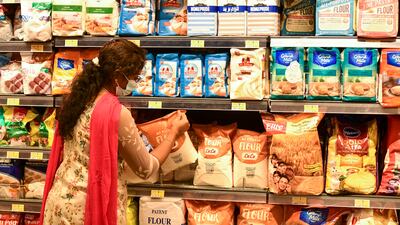
Each request must include an extensive report with details of the current prices of the items and their prices during the previous three years. Khushnum Bhandari / The National -
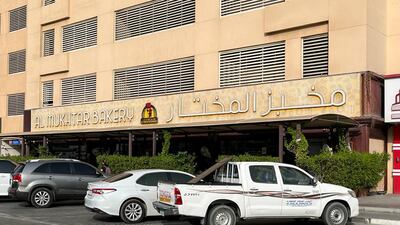
A pack of Arabic bread is being sold at Dh3 at Al Mukhtar Bakery in Ajman, where employees said the price is unlikely to be increased. Salam Al Amir / The National -
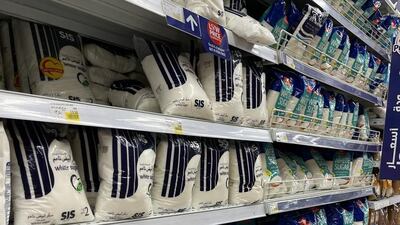
Requests must also feature production costs, company budget, comparison with prices in neighbouring countries and the percentage of the increase requested. Salam Al Amir / The National -
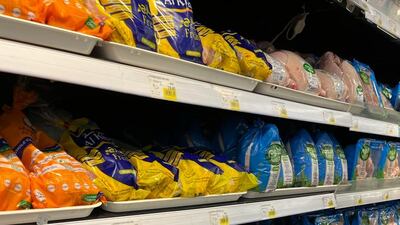
The price of a kilogram of fresh chicken ranges between Dh10 and Dh24 in various shops in Ajman. Salam Al Amir / The National -
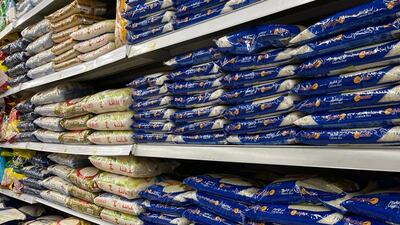
Rice is also being sold for varying prices at different outlets. Salam Al Amir /The National -
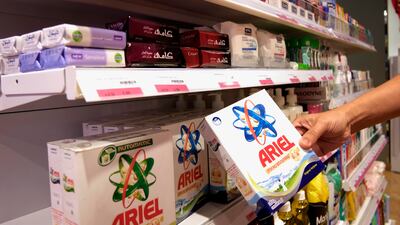
More than 40 outlets and co-operative societies in the country are being regularly monitored to keep the prices of these goods in check. Antonie Robertson / The National


“The business condition survey shows that the business outlook in Q1 2022 was optimistic for all parameters,” the Central Bank said.
The UAE's average purchasing managers’ index remained in expansionary territory in the first and second quarter 2022, above the neutral 50 mark. The S&P Global UAE PMI was at 54.8 for June.
The Central Bank cited rising inflation in the country, in line with the global trend.
The consumer price index (CPI) increased by 3.4 per cent during the first quarter of 2022, compared with 0.6 per cent and 2.3 per cent in the third and fourth quarters of 2021, respectively.
Inflation is projected to reach 5.6 per cent in 2022, the Central Bank said.
The banking regulator's report noted that the pricing mechanism enforced by the Ministry of Economy, which aims to contain sharp swings in food-related commodities, is significantly helping to moderate inflation.
The impact of imported inflation will be mitigated by the fact that the UAE dirham is pegged to the US dollar, the Central Bank said.
As the US dollar appreciated by about 10 per cent, vis-a-vis a basket of international currencies in the first quarter of 2022, the UAE dirham also appreciated.
Therefore, the UAE’s imports will be cheaper, limiting the pass-through effect of global inflation on inflation in the country, it said.
The UAE was one of the first countries to unveil several monetary measures and fiscal stimulus programmes that allowed it to make a strong rebound.
The recovery has been driven by pandemic-mitigation measures and Dh388 billion ($105.72bn) in fiscal and monetary support since the onset of the global health crisis.
The fiscal and monetary support measures to businesses and people include the Central Bank's Dh50bn Targeted Economic Support Scheme to boost liquidity in the financial and banking sector, parts of which were extended to June this year.

