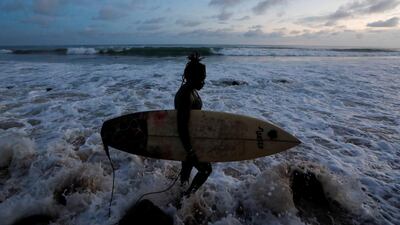
Despite the extended period of not being able to fly with Emirates during Covid-19, customers in the UAE have picked the Dubai-based airline as their favourite brand. Christopher Pike / Reuters

Emirates paid Dh5bn in ticket refunds since March


Deena Kamel
  • English
  • Arabic

Emirates has paid more than Dh5 billion in refunds since March after the Covid-19 pandemic forced passengers to scrap their travel plans as flights were grounded.

The Dubai-based airline processed 1.4 million refund requests received up until the end of June, representing 90 per cent of its backlog, except for some cases that require further review, Emirates said in a statement on Monday.

"We are committed to honouring refunds and are trying our utmost to clear the massive and unprecedented backlog that was caused by the pandemic," Emirates' president Tim Clark said. "Most cases are straightforward, and these we will process quickly. But there are cases which will take a bit more time for our customer teams to manually review and complete."

Global airlines have been inundated with refund claims as the Covid-19 pandemic led to flight cancellations as governments shut their borders and imposed strict restrictions to prevent the spread of the virus.

The International Air Transport Association (Iata), a trade body representing some 290 carriers, said in April that cash-strapped carriers owe $35bn (Dh128.5bn) in refund claims and urged customers to accept vouchers instead.

Emirates said it has invested more resources to ramp up its refund processing capabilities since the pandemic started. It is also working with industry partners to facilitate refunds for passengers who have booked their Emirates flights through travel agents.

"We understand that from our customers’ standpoint, each pending refund request is one too many," Mr Clark said.

_____________

Where Emirates is flying to

  • MIDDLE EAST: Amman, Jordan. All images courtesy Unsplash unless otherwise stated
    MIDDLE EAST: Amman, Jordan. All images courtesy Unsplash unless otherwise stated
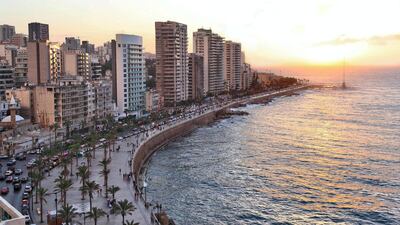
  • The corniche in Beirut. Lebanon faces its worst financial crisis since 1943. Alamy
    The corniche in Beirut. Lebanon faces its worst financial crisis since 1943. Alamy
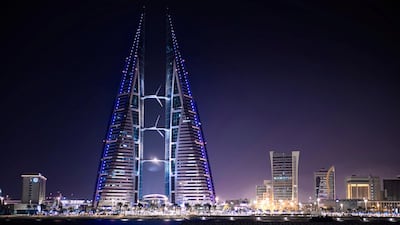
  • Bahrain
    Bahrain
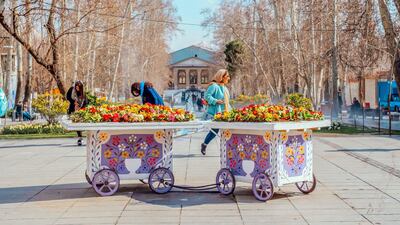
  • Tehran, Iran
    Tehran, Iran
  • Kuwait. Unsplash
    Kuwait. Unsplash
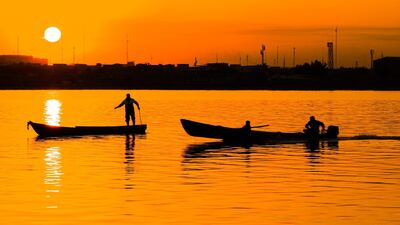
  • Basra, Iraq. Unsplash
    Basra, Iraq. Unsplash
  • The Iraq Museum in Baghdad, Iraq. AFP
    The Iraq Museum in Baghdad, Iraq. AFP
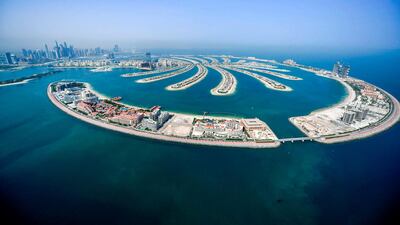
  • Dubai, United Arab Emirates. AFP
    Dubai, United Arab Emirates. AFP
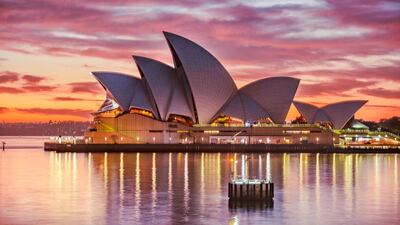
  • AUSTRALASIA: Sydney, Australia
    AUSTRALASIA: Sydney, Australia
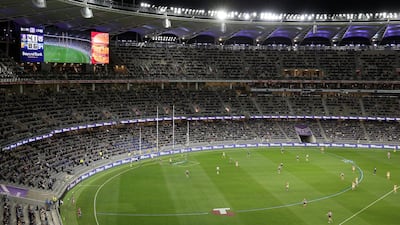
  • Perth, Australia. Getty Images
    Perth, Australia. Getty Images
  • Brisbane, Australia
    Brisbane, Australia
  • Auckland, New Zealand
    Auckland, New Zealand
  • ASIA: Islamabad, Pakistan. EPA
    ASIA: Islamabad, Pakistan. EPA
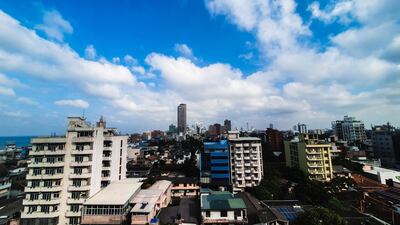
  • Colombo, Sri Lanka
    Colombo, Sri Lanka
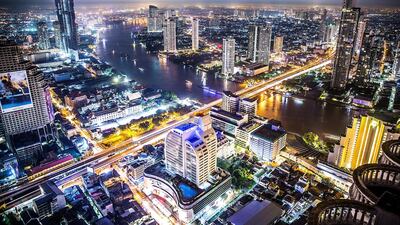
  • Bangkok, Thailand
    Bangkok, Thailand
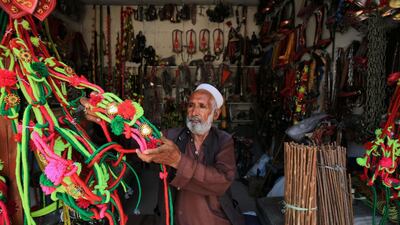
  • Peshawar, Pakistan. EPA
    Peshawar, Pakistan. EPA
  • Sialkot, Pakistan. Unsplash
    Sialkot, Pakistan. Unsplash
  • Kabul, Afghanistan
    Kabul, Afghanistan
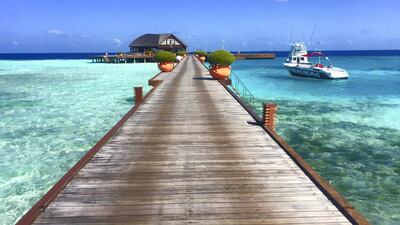
  • Male, Maldives
    Male, Maldives
  • Lahore, Pakistan
    Lahore, Pakistan
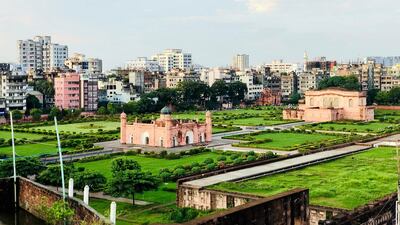
  • Dhaka, Bangladesh.
    Dhaka, Bangladesh.
  • Karachi, Pakistan. EPA
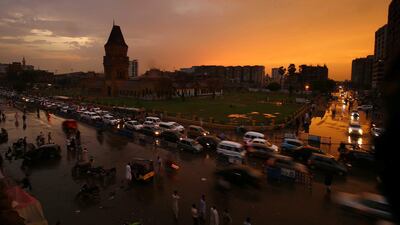
    Karachi, Pakistan. EPA
  • The Seychelles. Unsplash
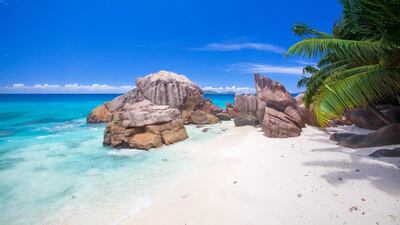
    The Seychelles. Unsplash
  • EUROPE: Amsterdam, The Netherlands
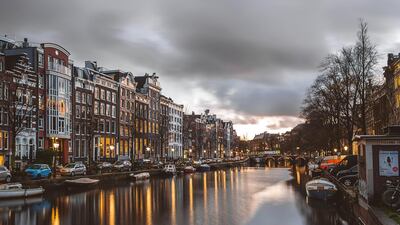
    EUROPE: Amsterdam, The Netherlands
  • Brussels, Belgium
    Brussels, Belgium
  • Lisbon, Portugal. Unsplash
    Lisbon, Portugal. Unsplash
  • Copenhagen, Denmark
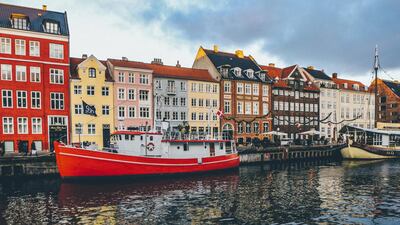
    Copenhagen, Denmark
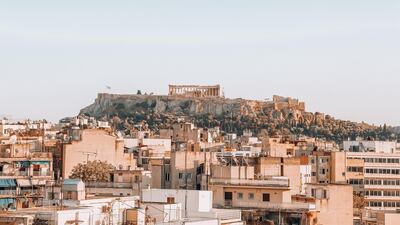
  • Athens, Greece
    Athens, Greece
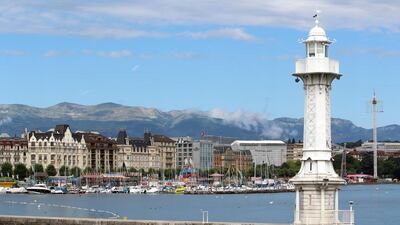
  • Geneva, Switzerland
    Geneva, Switzerland
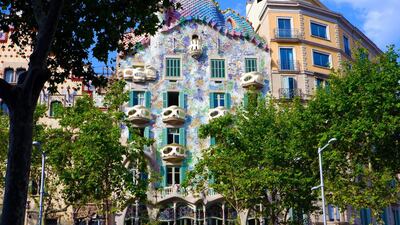
  • Barcelona, Spain
    Barcelona, Spain
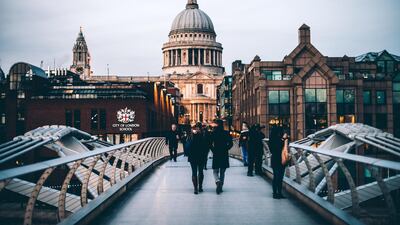
  • London, UK
    London, UK
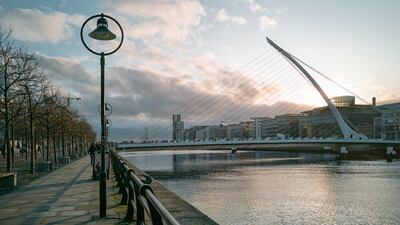
  • Dublin, Ireland
    Dublin, Ireland
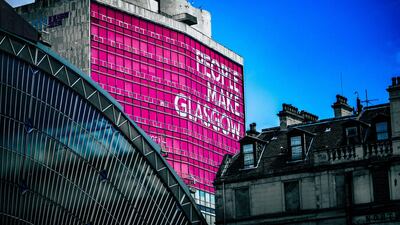
  • Glasgow, Scotland
    Glasgow, Scotland
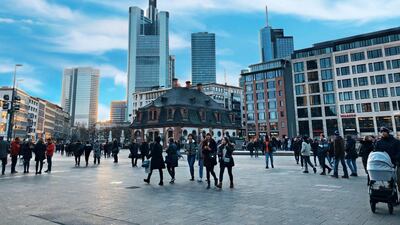
  • Frankfurt, Germany
    Frankfurt, Germany
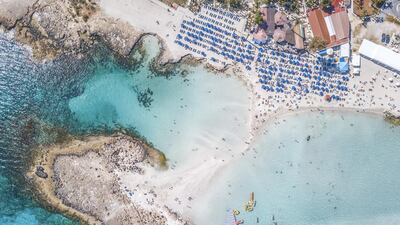
  • Larnaca, Cyprus. Pictured is Ayia Napa, 45 minutes away.
    Larnaca, Cyprus. Pictured is Ayia Napa, 45 minutes away.
  • Milan, Italy
    Milan, Italy
  • Madrid, Spain
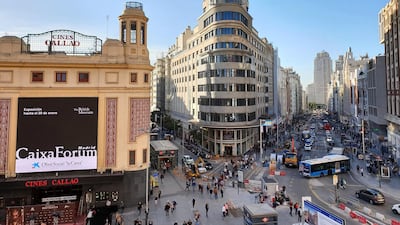
    Madrid, Spain
  • Manchester, UK
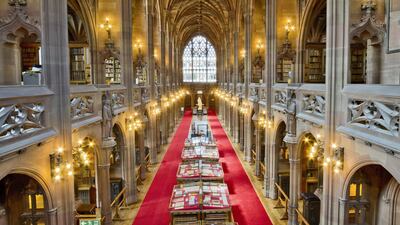
    Manchester, UK
  • Paris, France
    Paris, France
  • Munich, Germany
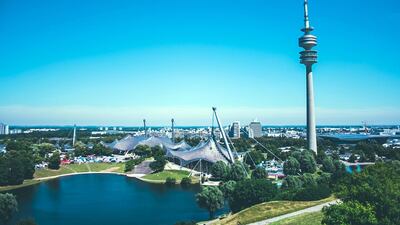
    Munich, Germany
  • Oslo, Norway
    Oslo, Norway
  • Vienna, Austria
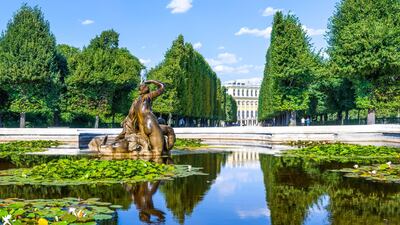
    Vienna, Austria
  • Stockholm, Sweden
    Stockholm, Sweden
  • Zurich, Switzerland
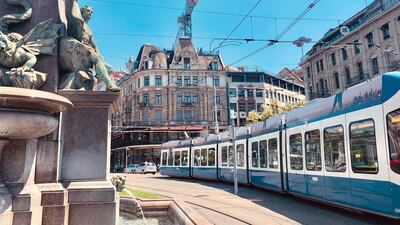
    Zurich, Switzerland
  • Prague, Czech Republic
    Prague, Czech Republic
  • Rome, Italy. EPA
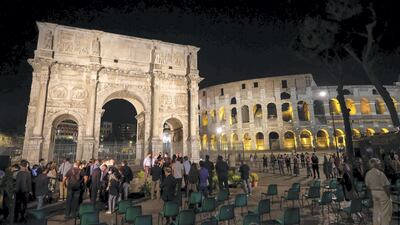
    Rome, Italy. EPA
  • FAR EAST: Hanoi, Vietnam
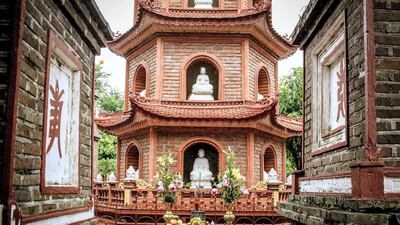
    FAR EAST: Hanoi, Vietnam
  • Ho Chi Minh City, Vietnam
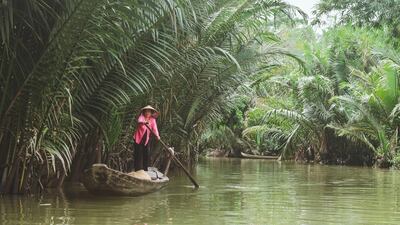
    Ho Chi Minh City, Vietnam
  • Hong Kong.
    Hong Kong.
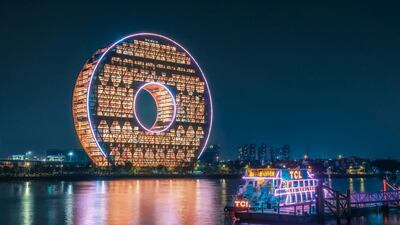
  • Guangzhou, China.
    Guangzhou, China.
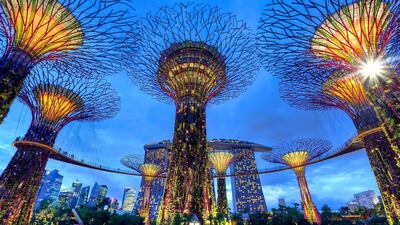
  • Singapore.
    Singapore.
  • Jakarta, Indonesia.
    Jakarta, Indonesia.
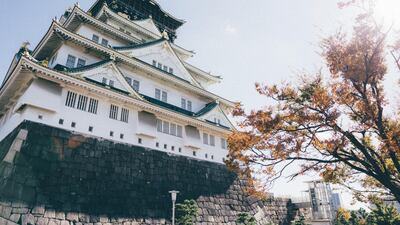
  • Osaka, Japan.
    Osaka, Japan.
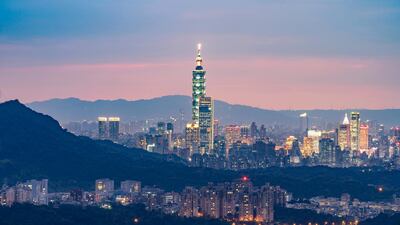
  • Taipei, Taiwan.
    Taipei, Taiwan.
  • Manila, Philippines.
    Manila, Philippines.
  • Kuala Lumpur, Malaysia.
    Kuala Lumpur, Malaysia.
  • Clark, the Philippines. Getty Images
    Clark, the Philippines. Getty Images
  • Tokyo, Japan
    Tokyo, Japan
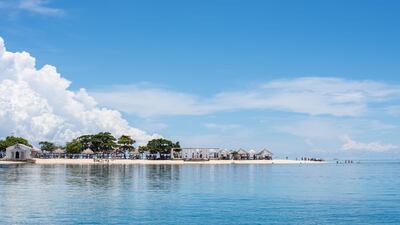
  • Pandanon Island, Cebu, Philippines. Unsplash
    Pandanon Island, Cebu, Philippines. Unsplash
  • Seoul, South Korea
    Seoul, South Korea
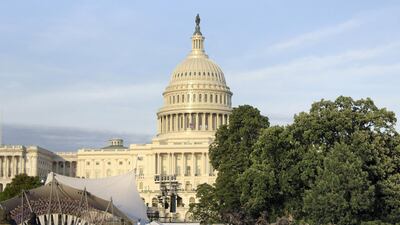
  • AMERICAS: Washington, US.
    AMERICAS: Washington, US.
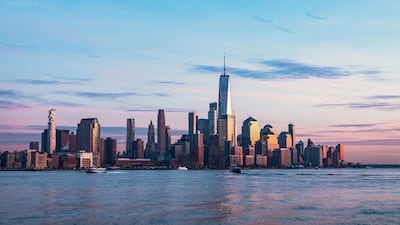
  • New York, US
    New York, US
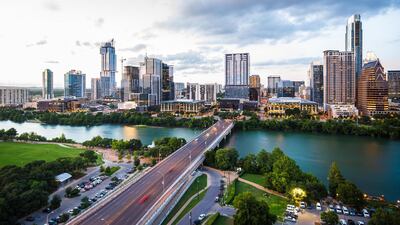
  • Houston, Texas. Unsplash
    Houston, Texas. Unsplash
  • Toronto, Canada
    Toronto, Canada
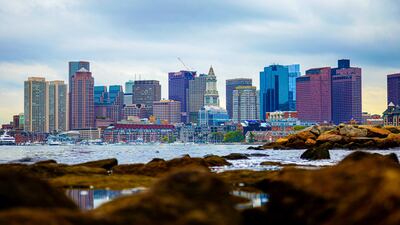
  • Boston, US
    Boston, US
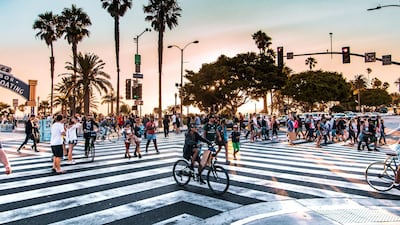
  • Los Angeles, US
    Los Angeles, US
  • Chicago, US
    Chicago, US
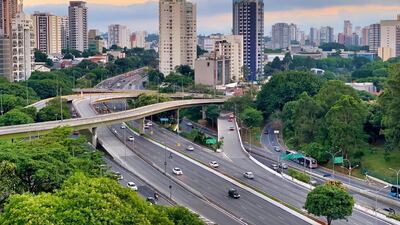
  • Sao Paulo, Brazil.
    Sao Paulo, Brazil.
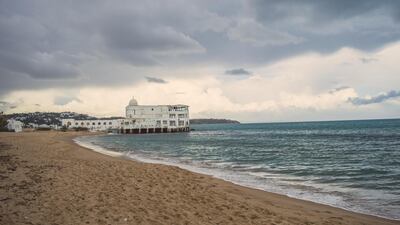
  • AFRICA: Tunis, Tunisia
    AFRICA: Tunis, Tunisia
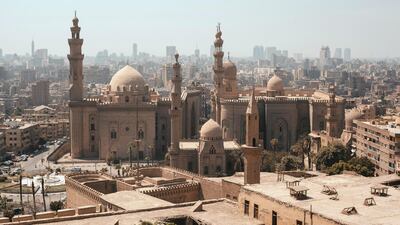
  • Cairo, Egypt
    Cairo, Egypt
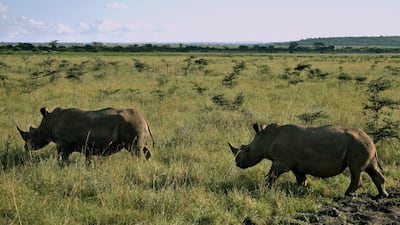
  • National Park, Nairobi, Kenya. Unsplash
    National Park, Nairobi, Kenya. Unsplash
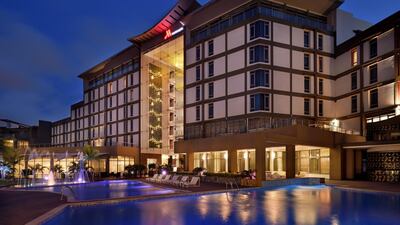
  • Accra, Ghana. Courtesy Marriott International
    Accra, Ghana. Courtesy Marriott International
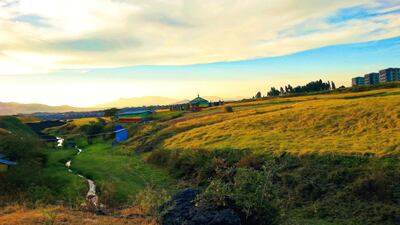
  • Addis Ababa, Ethiopia
    Addis Ababa, Ethiopia
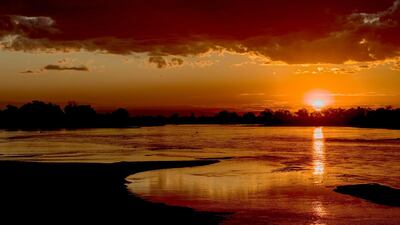
  • South Luangwa national park in Zambia.
    South Luangwa national park in Zambia.
  • Dar Es Salaam, Tanzania
    Dar Es Salaam, Tanzania
  • Dakar, Senegal. Reuters
    Dakar, Senegal. Reuters
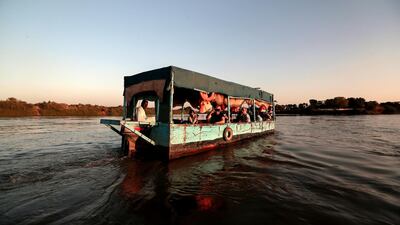
  • Khartoum, Sudan. Reuters
    Khartoum, Sudan. Reuters

_____________

As travel restrictions began to ease in some countries, Emirates has gradually restarted its passenger operations and expanded its network to 84 destinations so far.

To boost confidence in air travel, the airline has offered to pay all Covid-19 related medical expenses should passengers be diagnosed with the virus while they are away from home. This is valid for customers flying on Emirates until October 31 this year.

On September 6, the airline also confirmed that it will reinstate the full salaries of its staff from October after it took measures to preserve cash during the Covid-19 pandemic that decimated global air travel demand.


Ten tax points to be aware of in 2026

1. Domestic VAT refund amendments: request your refund within five years

If a business does not apply for the refund on time, they lose their credit.

2. E-invoicing in the UAE

Businesses should continue preparing for the implementation of e-invoicing in the UAE, with 2026 a preparation and transition period ahead of phased mandatory adoption. 

3. More tax audits

Tax authorities are increasingly using data already available across multiple filings to identify audit risks. 

4. More beneficial VAT and excise tax penalty regime

Tax disputes are expected to become more frequent and more structured, with clearer administrative objection and appeal processes. The UAE has adopted a new penalty regime for VAT and excise disputes, which now mirrors the penalty regime for corporate tax.

5. Greater emphasis on statutory audit

There is a greater need for the accuracy of financial statements. The International Financial Reporting Standards standards need to be strictly adhered to and, as a result, the quality of the audits will need to increase.

6. Further transfer pricing enforcement

Transfer pricing enforcement, which refers to the practice of establishing prices for internal transactions between related entities, is expected to broaden in scope. The UAE will shortly open the possibility to negotiate advance pricing agreements, or essentially rulings for transfer pricing purposes. 

7. Limited time periods for audits

Recent amendments also introduce a default five-year limitation period for tax audits and assessments, subject to specific statutory exceptions. While the standard audit and assessment period is five years, this may be extended to up to 15 years in cases involving fraud or tax evasion. 

8. Pillar 2 implementation 

Many multinational groups will begin to feel the practical effect of the Domestic Minimum Top-Up Tax (DMTT), the UAE's implementation of the OECD’s global minimum tax under Pillar 2. While the rules apply for financial years starting on or after January 1, 2025, it is 2026 that marks the transition to an operational phase.

9. Reduced compliance obligations for imported goods and services

Businesses that apply the reverse-charge mechanism for VAT purposes in the UAE may benefit from reduced compliance obligations. 

10. Substance and CbC reporting focus

Tax authorities are expected to continue strengthening the enforcement of economic substance and Country-by-Country (CbC) reporting frameworks. In the UAE, these regimes are increasingly being used as risk-assessment tools, providing tax authorities with a comprehensive view of multinational groups’ global footprints and enabling them to assess whether profits are aligned with real economic activity. 

Contributed by Thomas Vanhee and Hend Rashwan, Aurifer

Groom and Two Brides

Director: Elie Semaan

Starring: Abdullah Boushehri, Laila Abdallah, Lulwa Almulla

Rating: 3/5

Key figures in the life of the fort

Sheikh Dhiyab bin Isa (ruled 1761-1793) Built Qasr Al Hosn as a watchtower to guard over the only freshwater well on Abu Dhabi island.

Sheikh Shakhbut bin Dhiyab (ruled 1793-1816) Expanded the tower into a small fort and transferred his ruling place of residence from Liwa Oasis to the fort on the island.

Sheikh Tahnoon bin Shakhbut (ruled 1818-1833) Expanded Qasr Al Hosn further as Abu Dhabi grew from a small village of palm huts to a town of more than 5,000 inhabitants.

Sheikh Khalifa bin Shakhbut (ruled 1833-1845) Repaired and fortified the fort.

Sheikh Saeed bin Tahnoon (ruled 1845-1855) Turned Qasr Al Hosn into a strong two-storied structure.

Sheikh Zayed bin Khalifa (ruled 1855-1909) Expanded Qasr Al Hosn further to reflect the emirate's increasing prominence.

Sheikh Shakhbut bin Sultan (ruled 1928-1966) Renovated and enlarged Qasr Al Hosn, adding a decorative arch and two new villas.

Sheikh Zayed bin Sultan (ruled 1966-2004) Moved the royal residence to Al Manhal palace and kept his diwan at Qasr Al Hosn.

Sources: Jayanti Maitra, www.adach.ae

Sour%20Grapes
%3Cp%3E%3Cstrong%3EAuthor%3A%20%3C%2Fstrong%3EZakaria%20Tamer%3Cbr%3E%3Cstrong%3EPublisher%3A%20%3C%2Fstrong%3ESyracuse%20University%20Press%3Cbr%3E%3Cstrong%3EPages%3A%20%3C%2Fstrong%3E176%3C%2Fp%3E%0A
First-round leaderbaord

-5 C Conners (Can)

-3 B Koepka (US), K Bradley (US), V Hovland (Nor), A Wise (US), S Horsfield (Eng), C Davis (Aus);

-2 C Morikawa (US), M Laird (Sco), C Tringale (US)

Selected others: -1 P Casey (Eng), R Fowler (US), T Hatton (Eng)

Level B DeChambeau (US), J Rose (Eng) 

1 L Westwood (Eng), J Spieth (US)

3 R McIlroy (NI)

4 D Johnson (US)