



Live updates: follow the latest news on Russia-Ukraine
McDonald's said on Tuesday it would temporarily close all 847 of its restaurants in Russia, increasing pressure on other global brands to pause operations in the country following Moscow's invasion of Ukraine.
Starbucks followed suit on Tuesday, and PepsiCo and Coca-Cola announced their halt of sales apart from essential goods.
Yum Brands, behind KFC and Pizza Hut, also said it was suspending investment in Russia.
The closure of the McDonald’s restaurants holds particular significance for Russia, where the first shop to open in central Moscow in 1990 became a symbol of flourishing American capitalism as the Soviet Union fell.
McDonald's said it would continue to pay salaries to its 62,000 employees in Russia.
Because of its large size and global reach, the chain is often copied by other companies if it takes a stance on an issue or makes a major operational change.
“If they decide to do something, then probably others will follow,” said international franchise consultant William Edwards.
Major global brands, including McDonald's and Pepsi, have been pressured to pause operations in Russia by bodies including the New York state's pension fund. Russia calls its actions in Ukraine a “special operation".
Coffee company Starbucks said on Tuesday that it is suspending all business activity in Russia, including shipments of its products and cafes run by licencees.
The company said that Kuwait-based Alshaya Group, which operates at least 100 Starbucks cafes in Russia, will "provide support to the nearly 2,000 partners in Russia who depend on Starbucks for their livelihood".
Yum Brands, parent company of fried chicken chain KFC, is pausing investment in Russia, a key market that helped the brand achieve record development last year, the company said.
The company has at least 1,000 KFC and 50 Pizza Hut shops in Russia that are nearly all run by independent franchisees.
It said in a post on its website dated Monday that it had "suspended all investment and restaurant development in Russia while we continue to assess additional options".

Coca-Cola Co and PepsiCo said on Tuesday they were suspending sales of their sodas in Russia.
Coca-Cola said its business in Russia and Ukraine contributed about 1 to 2 per cent of the company's net operating revenue in 2021.
PepsiCo, whose colas were one of the few western products allowed in the Soviet Union before its collapse, said it would continue to sell daily essentials, such as milk and other dairy offerings, baby formula and baby food, in Russia.
McDonald's opened in Pushkin Square 32 years ago as the Soviet Union was collapsing. That new restaurant represented the thawing Cold War tension at a time when some young Russians were desperate to buy blue jeans and other Americana.
“It's impossible to predict when we might be able to reopen our restaurants in Russia,” McDonald's chief executive Chris Kempczinski said in a note sent to staff on Tuesday and posted on the company's website.
“We are experiencing disruptions to our supply chain along with other operational impacts. We will also closely monitor the humanitarian situation.”
Of its nearly 850 Russian shops, 84 per cent are owned by the company and the rest are run mostly by one Moscow-based franchisee, Rosinter Restaurants Holding.
-
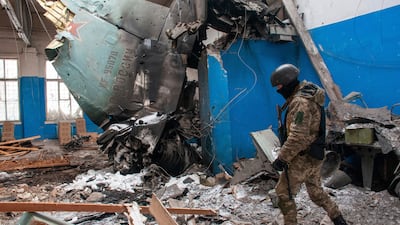
A Ukrainian serviceman walks past the vertical tail fin of a Russian Su-34 bomber lying in a damaged building in Kharkiv, Ukraine. AP Photo -
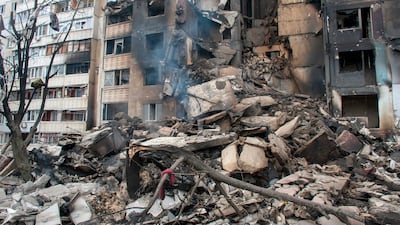
An apartment building damaged after shelling in Kharkiv, Ukraine. AP Photo -
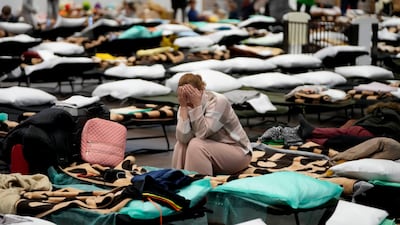
A woman puts her head in her hands as she sits on a cot in a shelter, set up for displaced persons fleeing Ukraine, inside a school gymnasium in Przemysl, Poland. AP Photo -
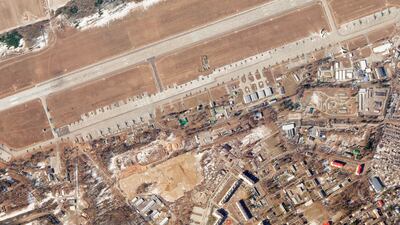
Belarussian and suspected Russian helicopters on the flight line at Machulishchy Air Base outside Minsk, Belarus. AP Photo -
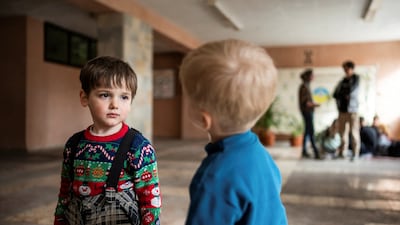
Children look on as people fleeing Russia's invasion of Ukraine shelter in a school, in Drohobych, Ukraine. Reuters -
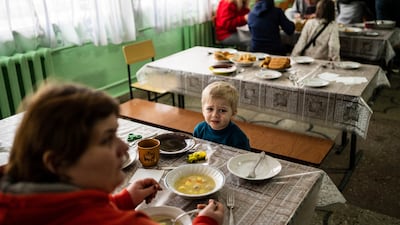
Families eat in the shelter. Reuters -
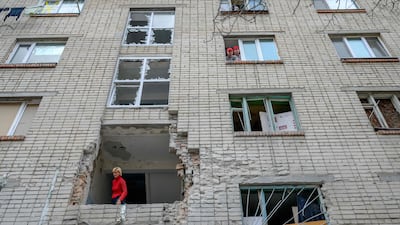
A woman looks out from a building damaged by Russian shelling in Mykolaiv, 100 kilometres away from Odesa, western Ukraine. AFP -
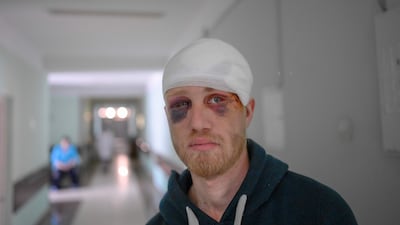
A wounded Ukrainian man waits in the corridor of the central hospital of Mykolaiv. AFP -
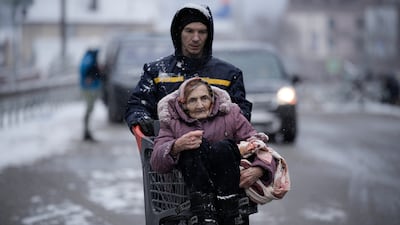
An elderly woman is carried in a shopping cart after being rescued from Irpin, on the outskirts of Kyiv, Ukraine. AP -
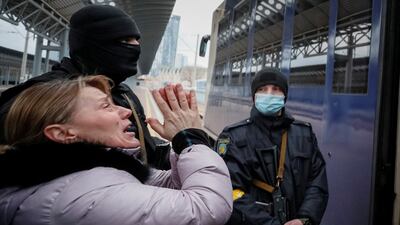
A woman reacts as a train carrying children from Kyiv's Central Children's Hospital leaves the Ukrainian capital on its way to Lviv. Reuters -
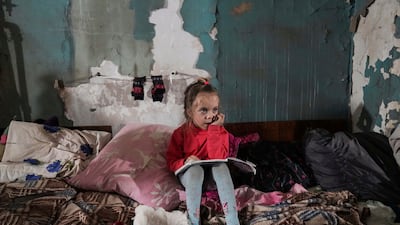
A girl sits in an improvised bomb shelter in Mariupol, Ukraine. AP -
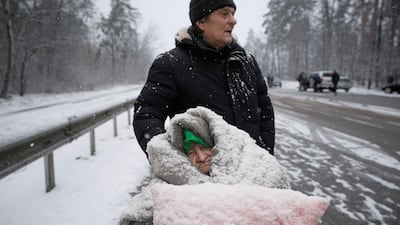
An elderly woman is coated in snow as she sits in a wheelchair after being rescued from Irpin. AP -
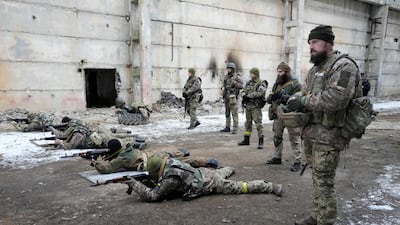
Belarusian volunteers take part in military exercises at the Belarusian Company base in Kyiv. AP -
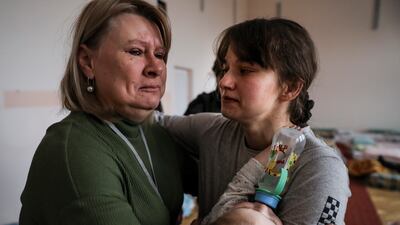
Lessa, left, director of a nursery school turned into a refugee shelter, cries as she hugs Olega, who arrived from Kyiv with her baby, near Lviv. EPA -
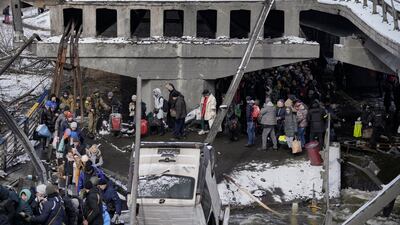
Ukrainians pass a damaged bridge as they flee from Irpin. AP -
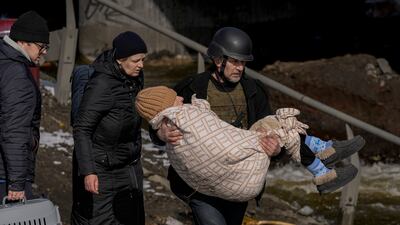
A man carries an elderly woman as people continue to leave Irpin. AP -
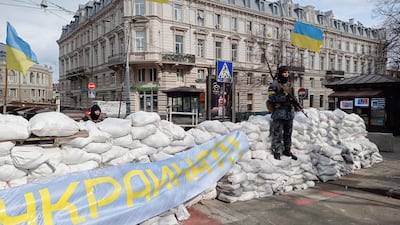
A soldier stands on a barricade made of sandbags in central Odesa, Ukraine. Reuters -
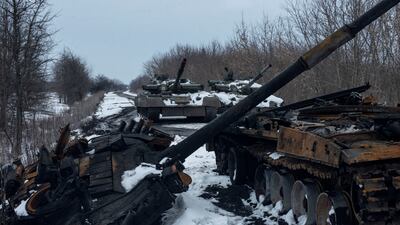
A charred Russian tank and captured tanks in the Sumy region. Reuters -
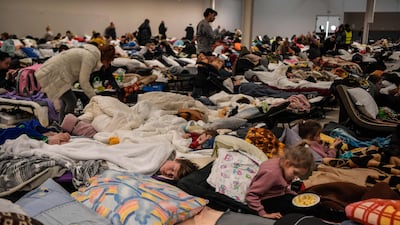
People rest at a temporary shelter for Ukrainian refugees in Przemysl, Poland. AFP -
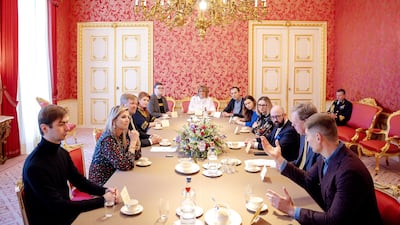
Ukraine's ambassador to the Netherlands, Maksym Kononenko, third right, and his wife Tetiana Doroshenko, fourth left, attend a meeting of members of the Ukrainian community with Dutch King Willem-Alexander, third left, and Queen Maxima, second left, to discuss the situation in Ukraine, in The Hague. EPA -
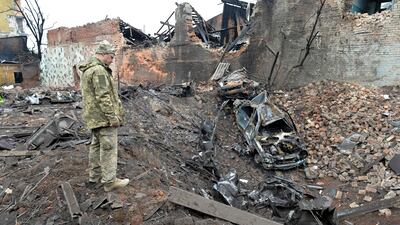
A Ukrainian soldier looks at the destruction after shelling in Ukraine's second-largest city of Kharkiv. AFP -
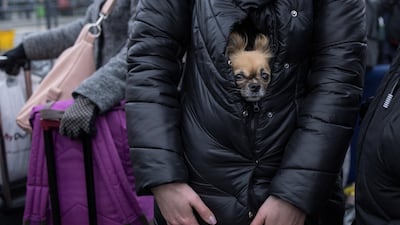
A refugee holds her dog as they wait for trains to Poland in Lviv, Ukraine. Reuters -
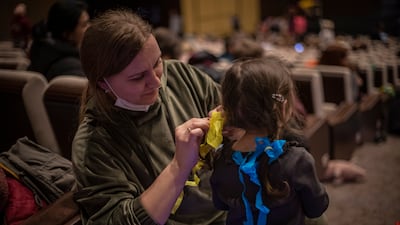
A woman ties ribbons in Ukrainian national flag colours in a girl's hair as people wait at a refugee assistance centre in Prague, Czech Republic. EPA -
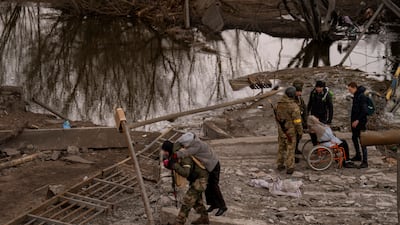
A Ukrainian soldier carries an elderly woman crossing the Irpin river on the outskirts of Kyiv. AP -
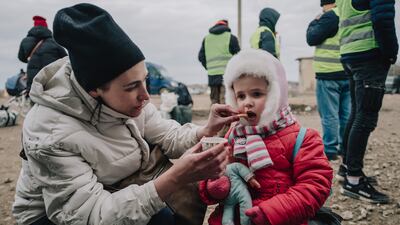
Lena, who had never left Ukraine before fleeing into Moldova, feeds Dasha, 3, soon after crossing the border. Erin Clare Brown for The National -
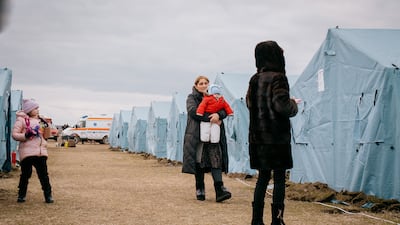
Refugees without immediate plans to move further inland can stay the night in tents set up on Moldova's side of the border. Erin Clare Brown for The National -
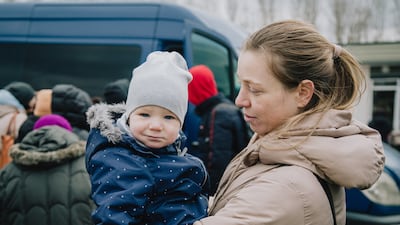
Tatiana and her son wait for a van that will carry them from the Moldovan border to Chisinau. Erin Clare Brown for The National -
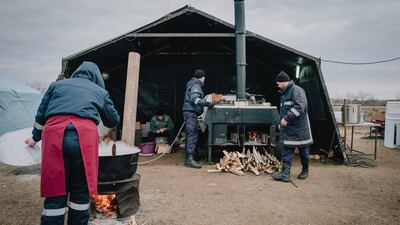
Each night, the Palanca refugee camp in Moldova feeds up to 300 people who arrive with no onward plans. Erin Clare Brown for The National -
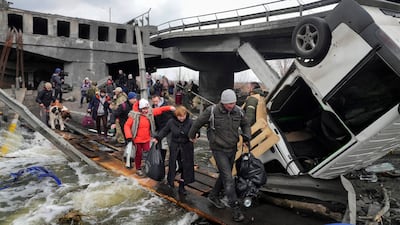
People pass a damaged bridge while fleeing the town of Irpin, close to the Ukrainian capital of Kyiv. AP -
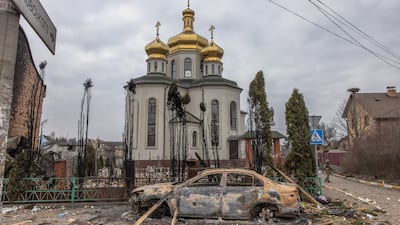
A Ukrainian soldier stands guard next to a church in Irpin. EPA -
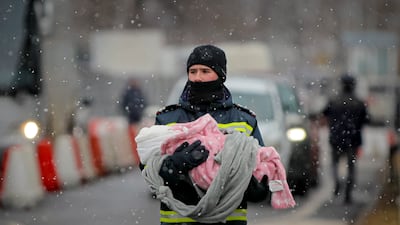
A firefighter holds the baby of a Ukrainian refugee at the border in Romania. AP -
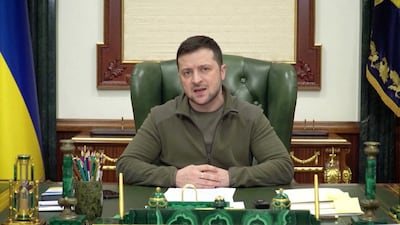
Ukrainian President Volodymyr Zelenskyy speaks in Kyiv. Reuters -
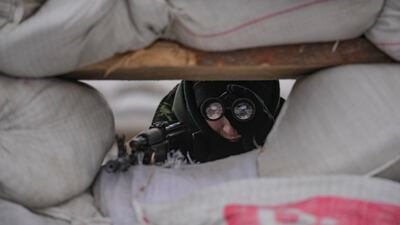
A Ukrainian soldier at a checkpoint in Kyiv. AP -
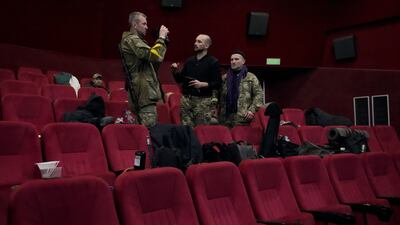
Ukrainian activist Ihor Mazur, left, a veteran of the war in the country's east, looks at a night-vision device in Kyiv. AP -
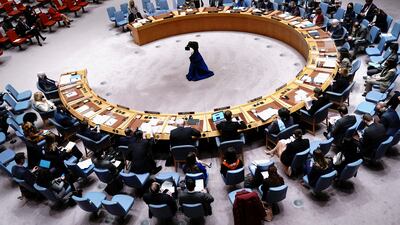
Ambassadors attend a UN Security Council meeting on threats to international security after Russia's invasion of Ukraine, in New York. Reuters -
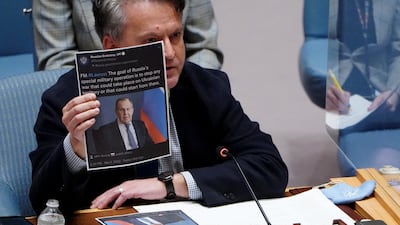
Ukraine's UN ambassador Sergey Kyslytsya holds a paper with an image of Russia's Foreign Minister Sergey Lavrov as he addresses the Security Council in New York. Reuters -
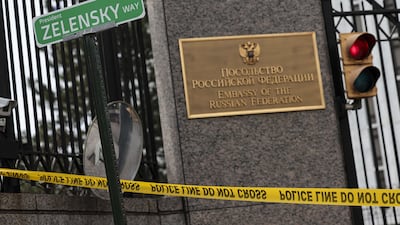
A road sign put up in support of Mr Zelenskyy outside Russia's embassy in Washington. AFP -
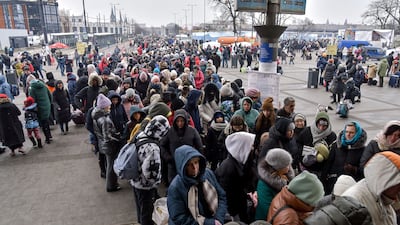
Ukrainian refugees at the train station in Lviv, western Ukraine. EPA -
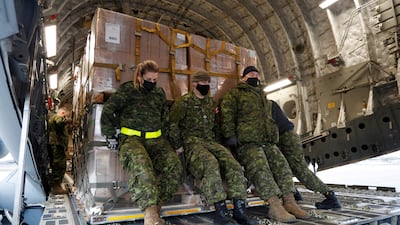
Lethal and non-lethal Ukrainian aid is loaded on to a plane bound for Poland by Canadian soldiers in Trenton, Ontario. Reuters -
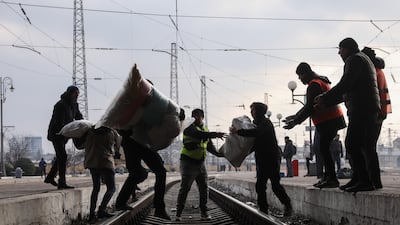
Volunteers carry medical aid and necessities at a train station in Lviv. EPA -
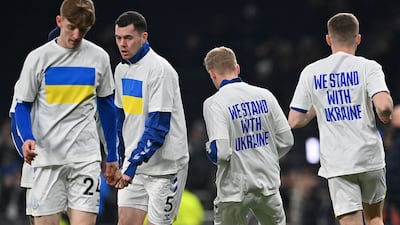
Everton players wear T-shirts in support of Ukraine as they warm up for an English Premier League football match against Tottenham Hotspur. AP -
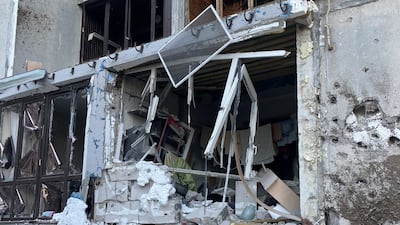
A residential building damaged by Russian shelling in Chernihiv, Ukraine. Reuters -
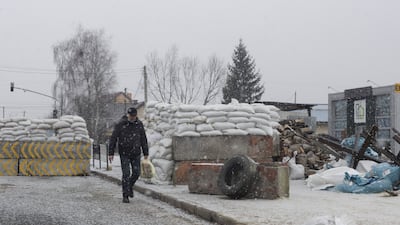
A man walks past a checkpoint in heavy snow in Lviv. Getty -
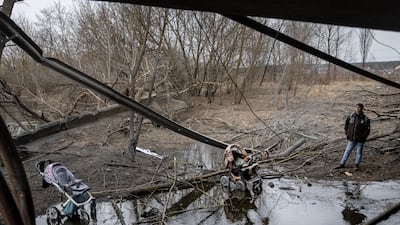
A man fleeing fighting in Irpin waits to cross a river after Russian forces entered the city. Getty -
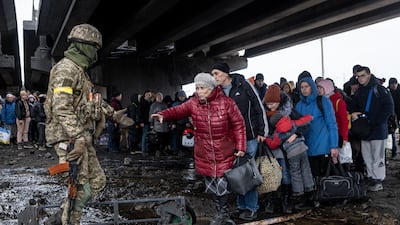
Soldiers assist Irpin residents underneath a damaged bridge as they flee. Getty -
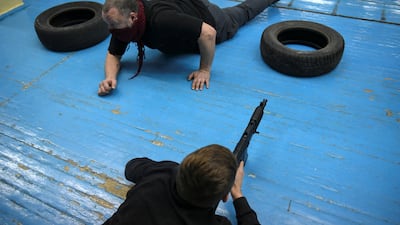
Ukrainian civilians who volunteered to join the Territorial Defence Forces take part in a training exercise in Odesa after Russia's invasion. Reuters -
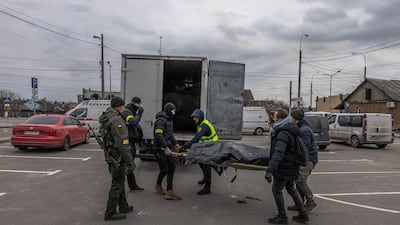
Men carry a body to a lorry as people flee from the frontline town of Irpin. EPA -
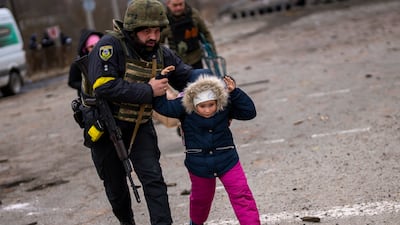
A Ukrainian police officer runs with a child as the sound of shelling echoes nearby in Irpin. AP -
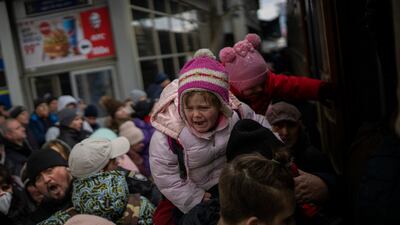
Parents and children struggle to board a train in Lviv. AP



