

In June this year, clips of a motley crew of boys hotstepping it to a medley of mostly Bollywood hits at a Pakistani wedding in Oslo, Norway, went viral on TikTok and Instagram.
While song-and-dance celebrations are a mainstay at most South Asian weddings, the group’s sheer skill, the finesse of their moves and their boundless energy proved addictive to watch, propelling them to worldwide fame.
The diversity of the dancers — all Norwegian nationals but from different ethnic backgrounds — made for some curious but fascinating viewing. Their effortless blending of differing cultural identities into a universally appealing performance also turned them into a pop culture phenomenon.
But the boys themselves were no ordinary wedding guests. They are professional dancers and choreographers who go by the name Quick Style and were performing at the wedding of one of the group's founders, Suleman Malik.
Quick Style will perform as part of Coke Studio Live in Dubai on Friday. As a run-up to their Middle East debut, the group did one of their famed “city takeovers” in Dubai on Sunday, during which they performed their viral Kala Chashma routine at the foot of Burj Khalifa, with hundreds of adoring fans cheering them on.
A journey of dance and discovery
Fans might know Quick Style from their viral Famous Wedding Show 2022 video, which now has nearly 80 million views on YouTube, but the group's founders, the Pakistani-Norwegian twins Suleman and Bilal Malik, and their Thai-Norwegian friend Nasir Sirikhan, all aged 31, are no strangers to fame.
Their journey to global recognition has been a long and passionate one in the world of dance.

The trio first met in school during their early teens in Oslo and say they weren’t particularly gifted dancers, "but just interested in music videos and cool stuff like most kids".
“We were inspired by a dance community in Oslo. So we started taking classes together and grew together,” Bilal tells The National.
Over time, they attended workshops by international dancers and say they trained with some of the best choreographers in the world.
“We started doing shows, battles, things like that and people liked us, and we slowly started winning competitions.”
Their breakthrough came in 2009 when they won Norway’s biggest national talent show, Norske Talenter or Norway’s Got Talent, which resulted in Sony Music signing them on as their first non-musician artists. This led to the start of their touring and stage-performing careers, as well as international dance workshops.
In 2009, using the prize money from Norske Talenter, the friends launched their own dance studio in Oslo, Quick Style.
“Long story short, we realised the spaces we were practising in were not suited for professional dancing, so we rented our own place and built the studio from scratch,” says Sirikhan.
“But when the rents started rising, we started offering classes for some income. That was the initial thought behind it, but it grew into something much bigger and the most thriving dance school and community in Norway today. It is a creative home and outlet for a lot of young people.”
Quick Style has since gone on to choreograph for the biggest K-pop group BTS. Their first official dance for the band is Save Me, followed by Blood Sweat & Tears.
But it was their routine for Boy With Luv’s official music video in 2019 that got them award nominations. The music video has been viewed a whopping 1.5 billion times on YouTube at the time of writing.
In 2017, they also appeared on the World of Dance TV show, for which Jennifer Lopez was one of the judges, with a stunning, highly technical and synchronised routine.
In 2020, while competing in America’s Got Talent: The Champions, they were eliminated quickly with the dreaded “X” buzzer. But that was a learning experience, says Sirikhan.
“It made us realise we were designing and catering our performances to people in the dance industry,” he says. “But now, it’s more about entertaining a general audience. Through our craft, we aim to build bridges, make people smile and be happy.”
A product of their times
While their dance mostly focuses on urban and hip-hop, the group say their dance style is as eclectic as their backgrounds.
“Growing up in Norway, we got a very wide perspective. We learnt European dance styles and are part of the community here, but growing up in desi/Asian households, we were exposed to that culture too,” says Suleman.
“When we set out to learn dance, we were obsessed with hip-hop, but also learning styles from Asia — Japan and Korea — as well. So we soaked in all the influences: Asian, American, European.
“The Americans taught us synchronisation, urbanic and R&B styles, the Asians focus on technique, and the European style is more individual. From there on, we started developing our own style, but our style comes from everything… all these different influences we grew up with.”
In that way, Quick Style embody a very 21st-century phenomenon.
“The beginning of our interest in dance coincided with the start of YouTube, and before social media became this big, we were inspired by movies, culture, our homes, all the experiences from vacations to our parents’ home countries. A lot of our references are even from video games that we played and our favourite characters,” says Sirikhan.
Even their name, Quick Style, is inspired by Kvikk Lunsj, their favourite chocolate bar ("the Norwegian Kit-Kat", as Bilal calls it) they happened to be munching on when thinking about what to call themselves.
“Everything is an inspiration,” says Bilal. “It is indeed the time right now, as the whole world is connected through social media and devices. It’s the same with us: we are a product of the age we live in.”
Giving a voice through dance
But back to their viral wedding video and its universal appeal, which, Sirikhan says, boils down to their "personal vibe".
“You could see we’ve all been friends for a long time,” he says. "You can see the joy and genuine fun we had while performing. That, and the choices of songs, the presence of professional dancers and our sheer ethnic diversity — people don’t expect to see that combination and seeing the unexpected is part of what makes things go viral.”
Bilal says he's proud of the group's diversity. “Our dance studio in Oslo has about 250 active members. Norway is so diverse, we have rich and poor students, kids who get dropped off in their cars and those who have to ride the bus for an hour, but when they get here, we become one community irrespective and the wedding video was the result of that," he says.
“The boys in it are a mix of Norwegian, Pakistani, Indian, Albanian, Moroccan, Thai, Filipino … but our world is one.”
In 2019, Quick Style were named Unicef goodwill ambassadors from Norway, working to reduce racism as part of the UN’s Sustainability Development Goal #10: reducing inequalities.
“We worked for inclusiveness with immigrants coming to Norway, escaping war or other difficult situations,” explains Sirikhan.
“Our job as ambassadors was to show people that you can be Norwegian even if you were not blonde or blue-eyed. Being born and raised in Norway and enjoying all the things we do right now, both here and internationally, just shows the possibilities open to young people.”
In the coming years, the group aim to have studios all over the world, including one in Dubai.
“There is a lot of talent in the UAE. We have big faith in that," says Suleman.
Coke Studio Live, featuring top artists from the hit Pakistani show, is set to take place at Coca-Cola Arena on Friday. Tickets cost from Dh179 and are available at coca-cola-arena.com
28 concerts and events coming to Dubai, from Kylie Minogue to Jason Derulo — in pictures
-
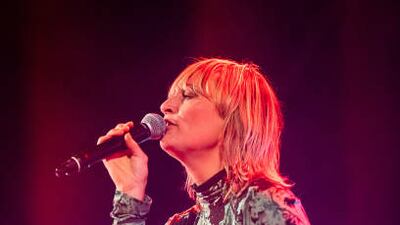
The trio Hooverphonic, led by singer Geike Arnaert, will perform in Dubai in December. Getty Images -
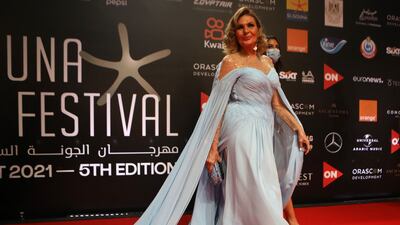
Egyptian actress Yousra will appear in the stage production 'King Farouk' at Dubai Opera. AFP -
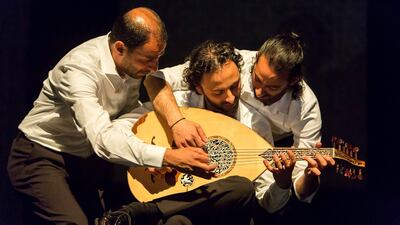
Le Trio Joubran, from left, Samir, Wissam and Adnan Joubran. Courtesy: Youness Hamiddine -
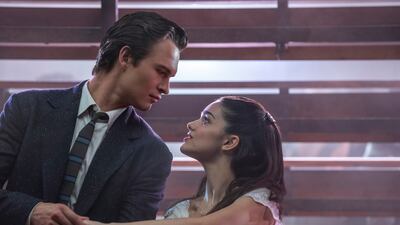
Ansel Elgort and Rachel Zegler in the 2021 film adaptation of the musical 'West Side Story'. The stage show will be performed in Dubai Opera in April. AP -

The Gipsy Kings shot to fame back in the 1980s with their eponymous album. Courtesy Dubai Opera -
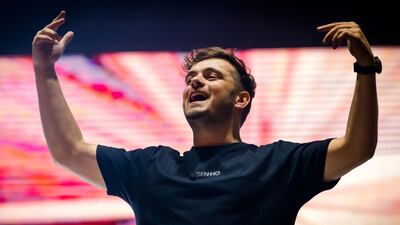
Martin Garrix has been named 2022'S world's number one DJ by industry publication 'DJ Mag'. AFP -
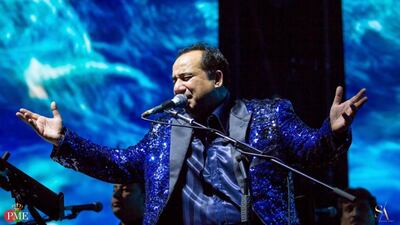
Pakistani singer Rahat Fateh Ali Khan will perform his hits at the Coca-Cola Arena. Courtesy Coca-Cola Arena -
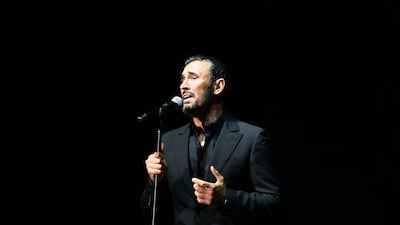
Iraqi singer Kadim Al Sahir will perform an intimate show at Dubai Opera. Khushnum Bhandari / The National -

Canadian DJ deadmau5 will play at the Coca-Cola Arena in December. Getty Images -
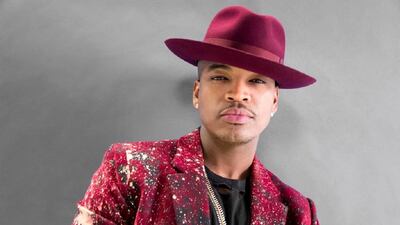
Singer Ne-Yo returns to Dubai in December. AFP -
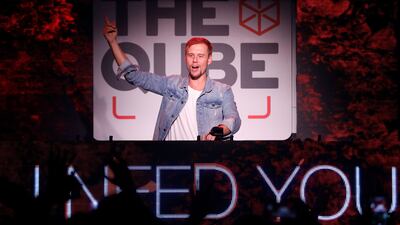
Dutch DJ Armin van Buuren is one EDM's most celebrated artists. AFP -

Nigerian singer Wizkid is one of a new generation of African artists making inroads into the western charts. Getty Images -
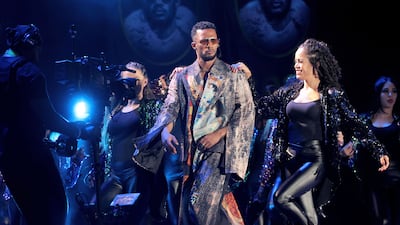
Mohamed Ramadan will perform post-match concerts as part of the inaugural World Tennis League tournament. AFP -
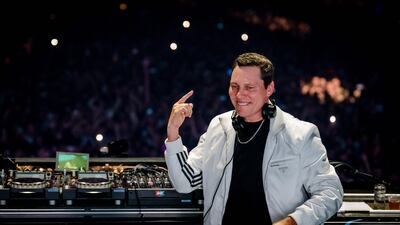
Tiesto will bring his hits to the Coca-Cola Arena in Dubai. AFP -
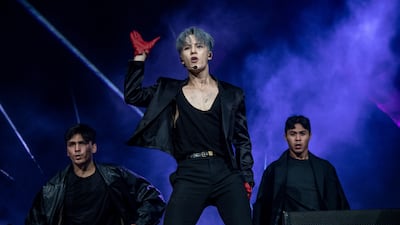
Jackson Wang will perform on February 4 in Dubai as part of his Magic Man world tour. AP -

Irish comedienne Joanne McNally performs on April 29 at The Agenda. Photo: GME Events -
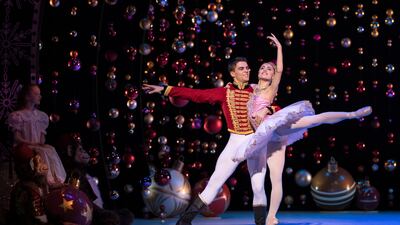
The Nutcracker ballet is an annual Christmas favourite. Photo: Andy Ross -

Hungarian pianist and composer Balazs Havasi will play at Dubai Opera in 2023. EPA -
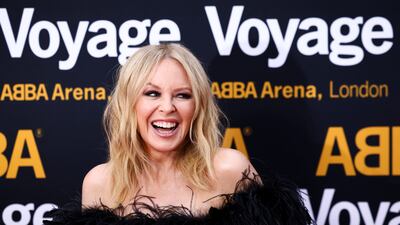
The Australian singer Kylie Minogue will ring in the new year in Dubai. Reuters -
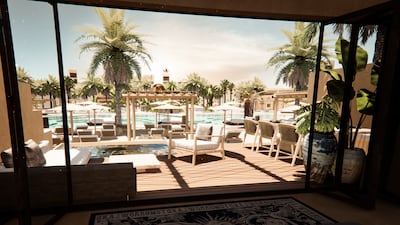
Tomorrowland's Terra Sollis features VIP rooms with sun decks, resort views and a private plunge pool. Photo: Terra Solis -
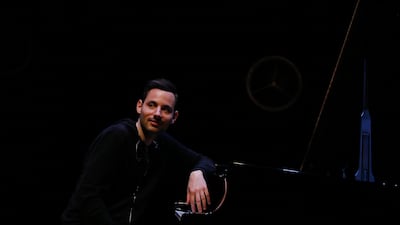
Peter Bence, the former Guinness World Record holder for fastest piano player, performs at Dubai Opera on November 11. Getty Images -

See French crooner Enrico Macias on November 12 at Coca-Cola Arena. Photo: Wikicommons -
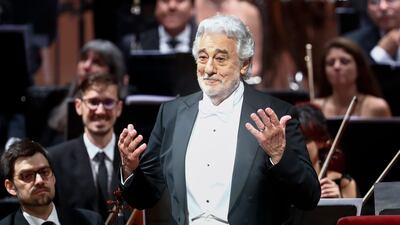
Spanish opera star Placido Domingo will headline the lavish Dresden Opera Ball gala evening at Dubai Opera. Getty Images -

Croation classic group 2Cellos are coming to Dubai in November. Courtesy: MBC -

Watch British singer-songwriter Calum Scott live at Hard Rock Cafe in November. Getty Images -

Scottish singer-songwriter Lewis Capaldi is returning to the UAE for a concert at the Coca-Cola Arena on November 24. EPA -
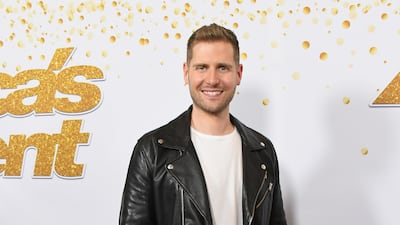
Illusionist Rob Lake is performing 'The Magic of Rob Lake' at Dubai Opera from November 25 to 27. Photo: FilmMagic -

Music and street culture festival Sole DXB is back for 2022 in December. Photo: Sole DXB -

The Dubai Shopping Festival, starting in December, features concerts, family activities and plenty of shopping deals. Photo: Dubai Shopping Festival -
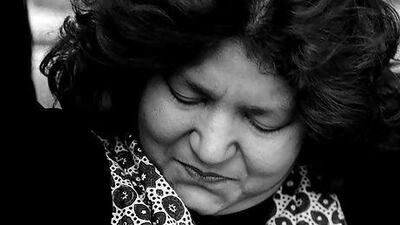
Pakistani singer Abida Parveen returns to Dubai at the Coca-Cola Arena on December 9. Photo: Catherine de Clippel



