

Bollywood fantasy film Brahmastra: Part One - Shiva and gritty biopic Gangubai Kathiawadi were the big winners at this year's International Indian Film Academy Awards.
Held across two days, on Friday and Saturday, at Etihad Arena in Abu Dhabi, Bollywood's biggest and brightest stars paid tribute to their colleagues and celebrated with some colourful performances.
The IIFA Awards are an annual celebration of all things Bollywood. Abu Dhabi was hosting the event for the second year in a row.
On Friday at IIFA Rocks, a night dedicated to music and fashion, Sanjay Leela Bhansali's period biopic Gangubai Kathiawadi was the big winner in the technical categories, clinching trophies for cinematography, screenplay and dialogue. The film, about real-life gangster Ganga Harjivandas Kathiawadi, a mafia chief in 1960s Bombay, stars Alia Bhatt in the lead.
Bhatt won the award for Best Actor in a Leading Role (Female) for her performance in the film.
Hrithik Roshan won the leading actor trophy for his role in the Abu Dhabi-shot Vikram Vedha.
-
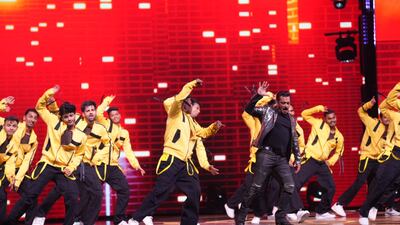
Bollywood superstar Salman Khan was the final performer of the night, dancing to many of his hits from over the decades. All photos: IIFA -
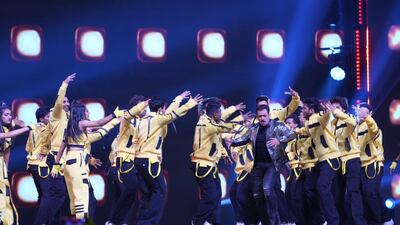
Salman Khan on stage -
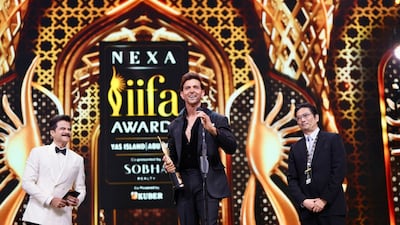
Hrithik Roshan with his Best Actor in a Leading Role (Male) award for Vikram Vedha -
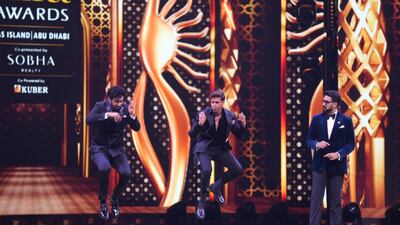
Hrithik Roshan dances on stage with host Vicky Kaushal -

Hrithik Roshan and Vicky Kaushal dance next to Abhishek Bachchan -
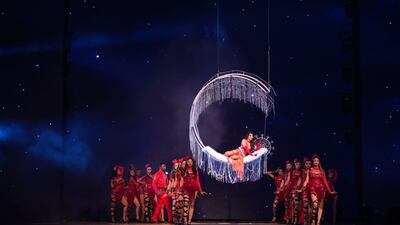
Nora Fatehi's cabaret act included a medley of songs such as Piya Tu Ab To Aaja, Aaj Ki Raat and Aao Na -
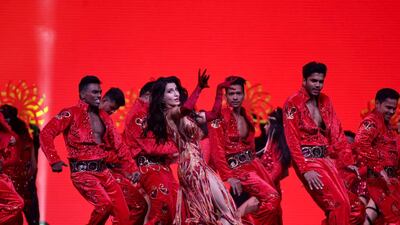
Nora Fatehi on stage -

Jacqueline Fernandez took made an impressive entrance with the song Paani Paani. She continued with the thumping beats of Show Me the Thumka -

Kamal Haasan being honoured with the Outstanding Achievement in Indian Cinema award by A R Rahman -
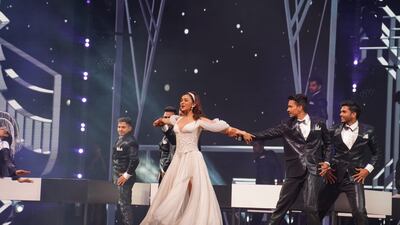
Rakul Preet Singh paid tribute to old Bollywood, and performed classic hits including Aaiye Meherbaan, Babuji Dheere Chalna and Ajeeb Dastan -
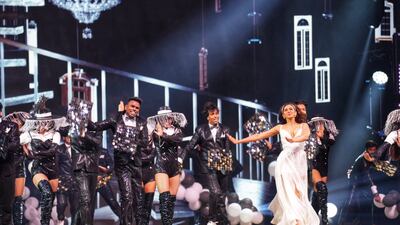
Rakul Preet Singh on stage -
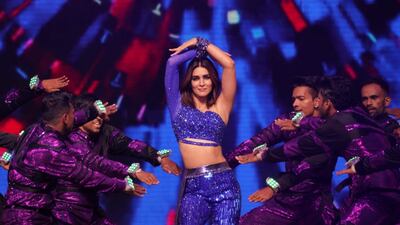
Kriti Sanon began her performance with the song Apna Bana Le from the film Bhediya -
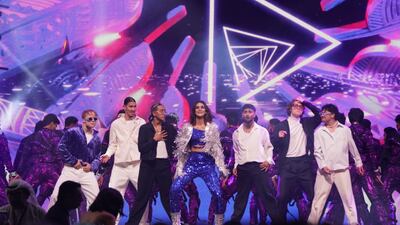
Kriti Sanon was joined by viral Norwegian dance crew Quick Style -
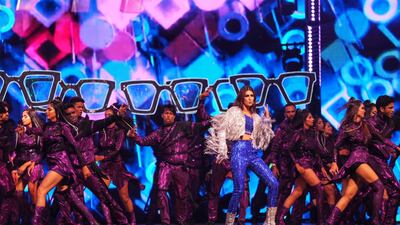
Kriti Sanon on stage -
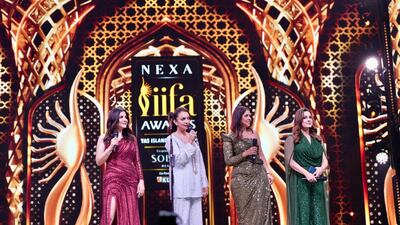
The cast of Netflix reality show Fabulous Lives of Bollywood Wives - Maheep Kapoor, Bhavna Pandey, Seema Kiran Sajdeh and Neelam Kothari -

Varun Dhawan was the first performer of the night -

Varun Dhawan made his entrance from the back of Etihad Arena and danced down the aisle to the tune of Naach Punjaban -
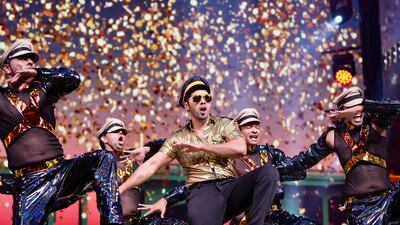
Varun Dhawan performs -
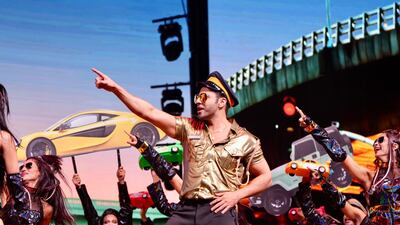
Varun Dhawan on stage -

Performers take part in the gala's Opening Act -
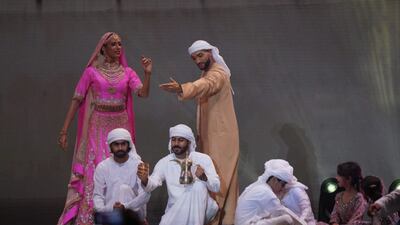
The performance combined Indian and Emirati cultures -

The opening performance took the audience on a cultural journey across the Emirates -
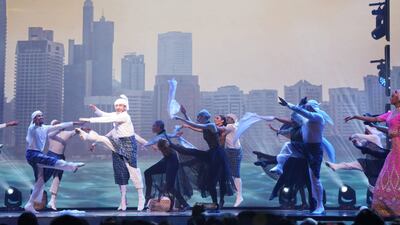
Dancers perform for Opening Act -
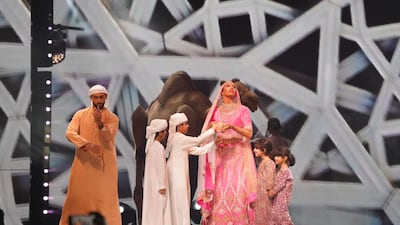
The event began with a performance called Opening Act -
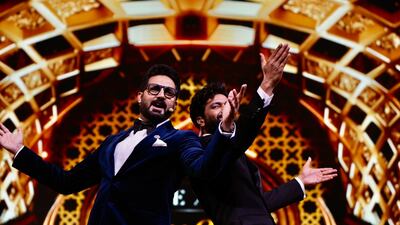
Hosts Abhishek Bachchan and Vicky Kaushal dance on stage -
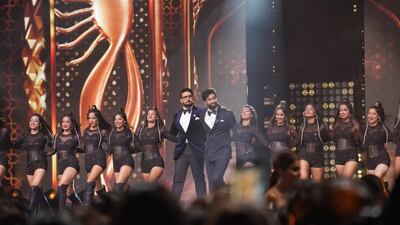
Abhishek Bachchan and Vicky Kaushal hosted the Bollywood event this year -
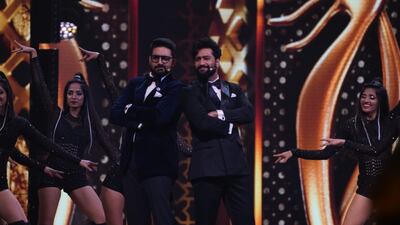
Vicky Kaushal and Abhishek Bachchan made their entrance together with a little dance routine, reciting couplets featuring names of films nominated this year -

Hosts Abhishek Bachchan and Vicky Kaushal on stage -
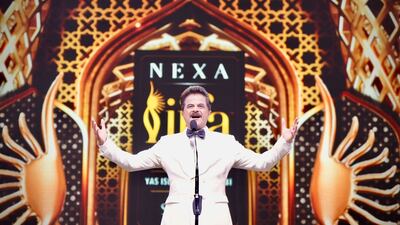
Anil Kapoor on stage -
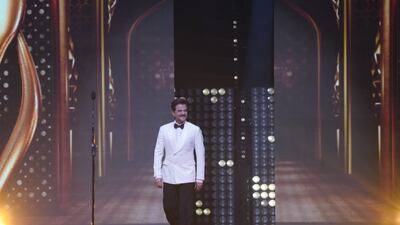
Actor Anil Kapoor began the show by saying: 'When we came to Abu Dhabi last year, we were bestowed with love and this love has pulled us back to entertain you'


Anees Bazmee's Bhool Bhulaiyaa 2, the horror comedy starring Kartik Aaryan and Tabu, won two awards – Best Choreography for title track and Best Sound Design.
Brahmastra: Part One - Shiva won the majority of the awards on Saturday at the gala event, including Best Playback Singer for Shreya Ghoshal (Female) and Arijit Singh (Male), as well as Best Supporting Actor (Female) for Mouni Roy.

Babil Khan, the son of late Bollywood actor Irrfan Khan, shared the Best Debut (Male) award with Shantanu Maheshwari. Khan was celebrated for his role in the film Qala, and Maheshwari for starring in Gangubai Kathiawadi.
Khushali Kumar won the Best Debut (Female) awards for Dhoka Around the Corner.

Here are all the winners at the IIFA Awards 2023:
- Best Film: Drishyam 2
- Best Director: R Madhavan for Rocketry: The Nambi Effect
- Best Actor in a Leading Role (Female): Alia Bhatt for Gangubai Kathiawadi
- Best Actor in a Leading Role (Male): Hrithik Roshan for Vikram Vedha
- Best Actor in a Supporting Role (Female): Mouni Roy for Brahmastra: Part One - Shiva
- Best Actor in a Supporting Role (Male): Anil Kapoor for Jugjugg Jeeyo
- Outstanding Achievement for Fashion in Cinema: Manish Malhotra
- Outstanding Achievement in Indian Cinema: Kamal Haasan
- Best Adapted Story: Aamil Keeyan Khan and Abhishek Pathak for Drishyam 2
- Best Original Story: Perveez Sheikh and Jasmeet Reen for Darlings
- Outstanding Achievement in Regional Cinema: Marathi film Ved, directed by Riteish Deshmukh
- Best Debut (Male): Shantanu Maheshwari for Gangubai Kathiawadi and Babil Khan for Qala
- Best Debut (Female): Khushali Kumar for Dhoka Around the Corner
- Best Playback Singer (Female): Shreya Ghoshal for the song Rasiya from Brahmastra: Part One - Shiva
- Best Playback Singer (Male): Arijit Singh for the song Kesariya from Brahmastra: Part One - Shiva
- Best Music Direction: Pritam for Brahmastra: Part One - Shiva
- Best Lyricist: Amitabh Bhattacharya for the song Kesarya from Brahmastra: Part One - Shiva
- Best Cinematography: Gangubai Kathiawadi
- Best Screenplay: Gangubai Kathiawadi
- Best Dialogue: Gangubai Kathiawadi
- Best Choreography for title track: Bhool Bhulaiyaa 2
- Best Sound Design: Bhool Bhulaiyaa 2
- Best Editing: Drishyam 2
- Best Special Effects (Visual): Brahmastra: Part One - Shiva
- Best Background Score: Vikram Vedha
- Best Sound Mixing: Monica O My Darling
-

Bollywood actress Kriti Sanon arrives on the IIFA Rocks 2023 green carpet at the Etihad Arena in Abu Dhabi. Photo: IIFA -
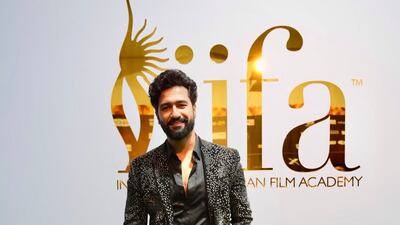
Bollywood star Vicky Kaushal. Photo: IIFA -
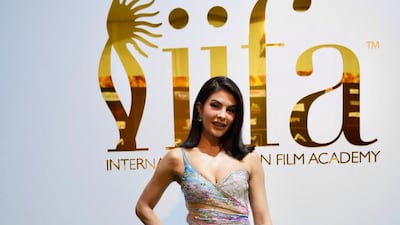
Bollywood actress Jacqueline Fernandez. Photo: IIFA -
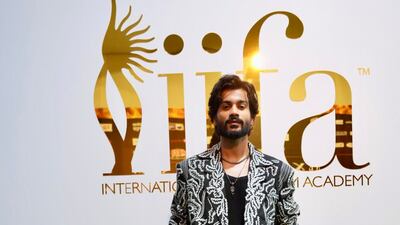
Actor Sunny Kaushal. Photo: IIFA -

Bollywood actor Varun Dhawan. Chris Whiteoak / The National -

Indian actor Vijay Varma. Chris Whiteoak / The National -

Bollywood actress Urvashi Rautela. Chris Whiteoak / The National -

Bollywood actress Rakul Preet Singh. Chris Whiteoak / The National -

Indian actor Siddharth Nigam. Chris Whiteoak / The National -

Bollywood actor Taaha Shah. Chris Whiteoak / The National -

Bollywood actress Nora Fatehi. Chris Whiteoak / The National -

Actress Esha Gupta. Chris Whiteoak / The National -

South Indian actress Pranitha Subhash. Chris Whiteoak / The National -

Actor Vishal Kotian. Chris Whiteoak / The National -

Rapper Badshah. Chris Whiteoak / The National -

Bollywood actress Nushrratt Bharuccha. AFP -
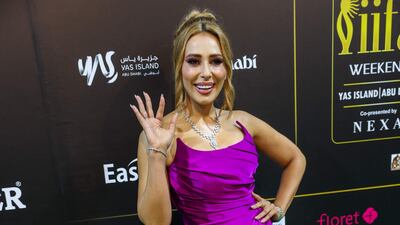
Romanian actress Iulia Vantur. AFP -
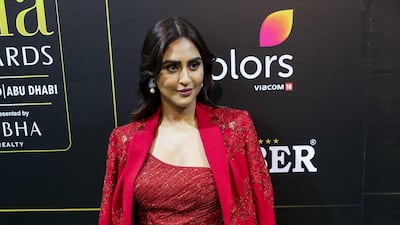
Indian actress Krystle D’Souza. AFP -

Indian television actor Rohan Gandotra. AFP -

Actress Niharica Raizada. AFP -
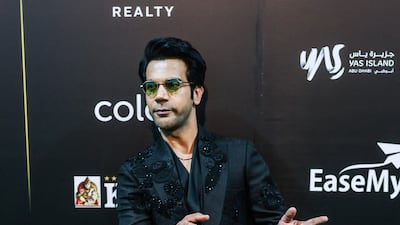
Bollywood actor and host of IIFA Rocks 2023, Rajkumar Rao. AFP -

Director and co-host for the night Farah Khan Kunder arrives. Chris Whiteoak / The National -

Bollywood star Abhishek Bachchan. Chris Whiteoak / The National -

Bollywood actress Sanjana Sanghi. Chris Whiteoak / The National -

Norwegian dance troupe Quick Style. Chris Whiteoak / The National -
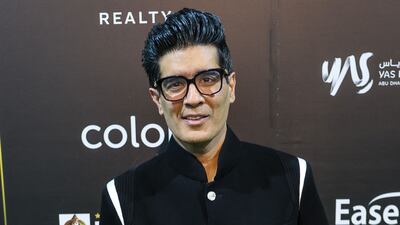
Indian fashion designer Manish Malhotra. AFP



