


Tunisian author Mahmoud Messadi published a novel in 1945 titled Mawlid Alnisyan, which translates as Birth of Oblivion. The book is a philosophical and symbolic work that explores the tension between memory, identity and the desire to escape history. As the protagonist confronts questions of time and the human condition, the novel probes whether forgetting is a form of liberation or a path to self-erasure.
Our Arabic word of the week is alnisyan, which translates to forgetfulness and oblivion. Rooted in the triliteral Arabic root noon, seen, yaa, which means to forget, it conveys a graceful nuance, evoking the gentle slipping of memories into the mists of time.
Unlike the term nisyan, which simply means forgetting, alnisyan conjures a poetic surrender: the embrace of forgetting, the dissolving of events, people, even entire eras from collective memory, descending into complete oblivion. It sits alongside expressing solace or emotional release, captured by a second meaning of silwan, which translates to consolation through forgetting.
-

The Arabic word for sign is aya. All photos: The National -

The Arabic word for cat is qita -

Laban is the Arabic word for milk -
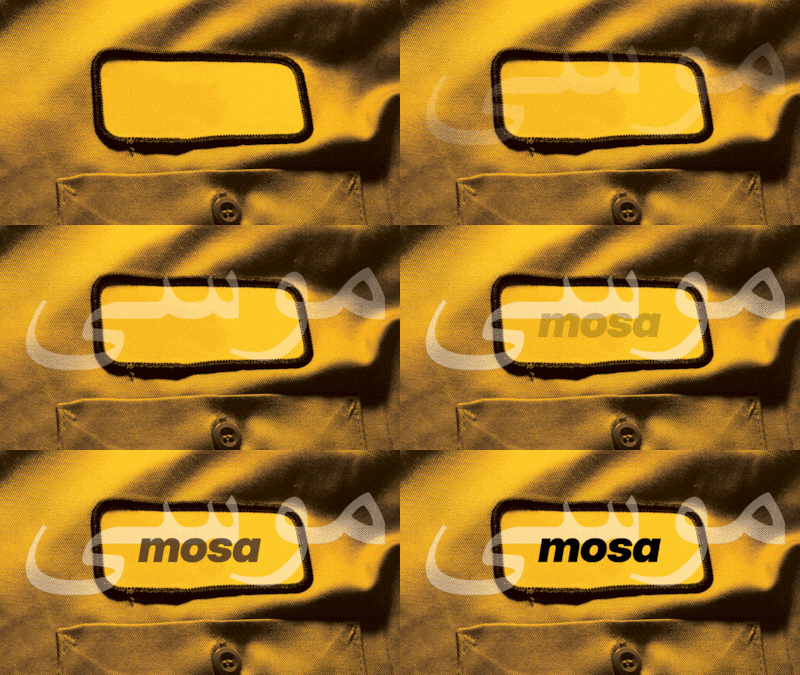
Mosa, or Moses in English, is mentioned 136 times in the Quran -

The Arabic word for ownership is tamalouk -

The Arabic word for mint is ne’ena’a -

Shuback is the Arabic word for window -

Hilal is Arabic for crescent -

Musafir, the Arabic word for traveller, is often used in music and poetry, evoking a sense of longing and passion -

Raqaba, the Arabic word for neck, can also denote caution and scrutiny -

Ithin, the Arabic word for permission, has many bureaucratic uses -
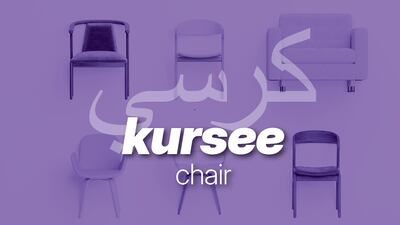
The Arabic word for chair is kursee -

Faten is Arabic name that has many spiritual and poetic meanings -
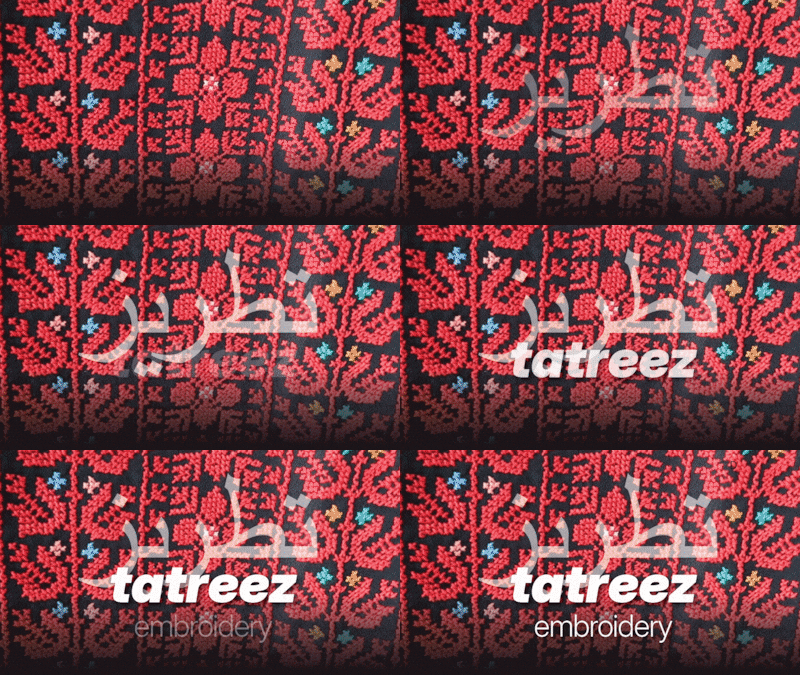
The Arabic word for embroidery is tatreez -
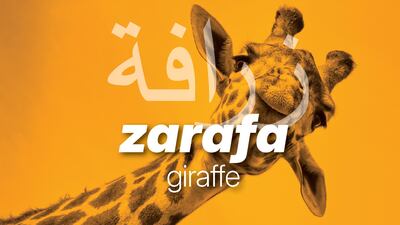
Zarafa is Arabic for giraffe -

The Arabic word for dignity, honour and respect is izza -

Hewi is the Emirati word for front garden -

Lahja is the Arabic word for dialect -
Muratabat is often translated as refreshments -

Handasa is the Arabic word for engineering -

The Arabic word for octopus is akhtaboot -

The Arabic word for mightiness is jabarut -

The Arabic word kibriyaa, often seen in Quranic verses, speaks to might and humility -

Junoon is the Arabic word for madness and obsession -

Adheem is commonly translated as great, magnificent or mighty -

Tanamor is the Arabic word for bullying -

The Arabic word for forgetfulness and oblivion is alnisyan. The National -

Yallah, the Arabic word for 'let's go', is an expression of urgency, encouragement or even impatience -
The Arabic word majlis, rooted in Bedouin tradition, refers to a space for hospitality and dialogue -

Falaj is Arabic for water channel -

Ne'meh is Arabic for blessing -

The Arabic word sumud means resilience and steadfastness -

The Arabic word for mountain is jabal -

Kibreet is Arabic for matchstick -

Sahaba means cloud in Arabic -

Qilada is the Arabic word for necklace


The word can be seen in poetic Arabic phrases such as dakhal fee ghumrat alnisyan, which translates to “he descended into the depths of oblivion”, or alnisyan ahhab teeb, which translates to “forgetfulness is the best healing”.
Alnisyan can also carry a warning. It can hint at a culture losing touch with its roots, or a society willing to forget injustice for the sake of comfort. Alnisyan could also become a path to finding oneself and breaking the shackles of the past. In the Sufi concept of al fana, practitioners are encouraged to annihilate the self in pursuit of divine truth. Here, forgetting is not a fault but a virtue, a surrendering of ego that brings one closer to enlightenment.
In Arabic music, the word is often used to express sorrow. In Libyan singer Ahmed Fakroun’s 1977 song Nisyan, he describes a relationship that has faded away, exemplified by the looks of forgetfulness in his former lover’s eyes.
In 2021, Lebanese singer Assi El Hallani released a song titled Keif Ansak, which translates to “how to forget you”. In it, he asks himself and his former lover how to forget all the times they spent together, the good and the bad.
In today’s fast-moving world, where memory often feels fleeting, alnisyan reminds us that forgetting is not always passive. Sometimes, it is deliberate. Sometimes, it is essential. And sometimes, it is what allows us to move on.

