

Nestled within the dazzling Lakshmi Vilas Palace in Vadodara, Gujarat, a 200-hectare royal residential complex four times the size of Buckingham Palace, is the Maharaja Fateh Singh Museum.
Once the official residence of Gujarat’s illustrious Gaekwad family, the 19th century mansion today houses rare works belonging to the royal household’s personal collection.
It features European Renaissance and Rococo paintings, portraits, marble busts and more than 30 original paintings by celebrated Indian artist Raja Ravi Varma, as well as artefacts from across the world, including Chinese and Japanese porcelain displayed over two floors.
-
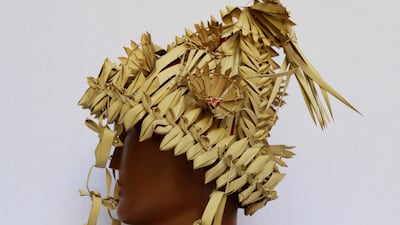
Chouhan Bridegroom’s Pag made of Palm leaf, worn to honour the Bheel community who historically assisted them in times of war. All photos: Maharaja Fateh Singh Museum -
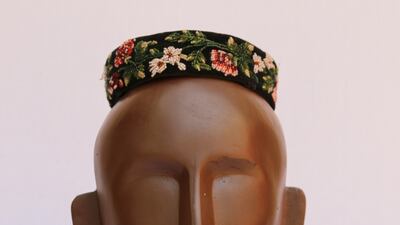
Parsi woman's cap made of velvet, glass beads and satin, worn to weddings, funerals or other religious functions -
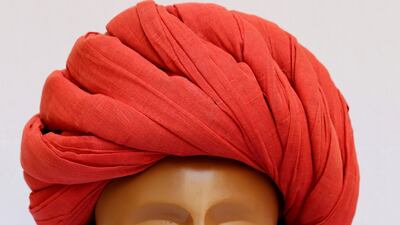
Gawariya Pag made of voil, worn by the male members of the Gawariya Nomadic tribe -
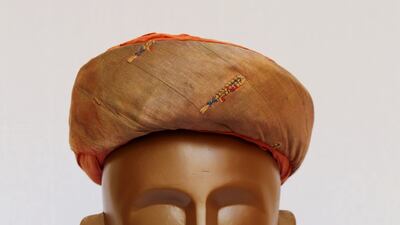
Kasabi Pagdi made of hand woven cotton, popular among high caste Nagar officers, diplomats and wealthy individuals -
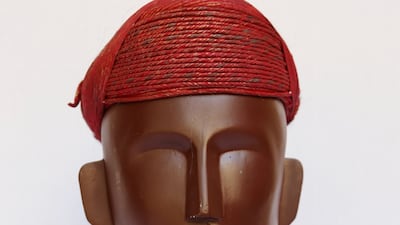
Gaekwadi Paghdi made of cotton and zari, the ultimate ornament of honour -
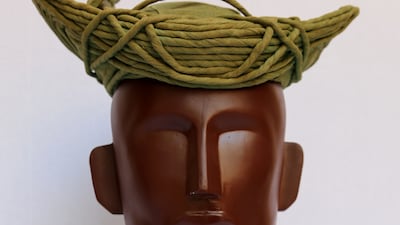
The Gwalior scindia style pagdi is 60 metres long and made of very fine silk cloth -

Parsee Man’s Cap, with the exterior thickly embroidered with stiff silver thread, this headgear was worn in the Bhavnagar district


Adding to the visual enchantment is a fully functional toy train – the world’s smallest locomotive engine, once owned by a Gaekwad prince – kept in the sprawling gardens.
However, the museum’s most fascinating section is its Headgear Gallery – a staggering collection of 300 vibrant pieces of headwear from different Indian states including Gujarat, Rajasthan, Madhya Pradesh and Maharashtra. Known variously as feta, pugree, safa or topi in local languages, they were collected by the late Maharaja Ranjitsinh Gaekwad, Vadodara’s titular head from 1988 to 2012, during his sojourns.
Among the exhibits is a rare turban worn by the Gaekwad kings, made from 38 metres of cloth, encrusted with pearls and semi-precious gems; a humble cotton topi (cap) of a medieval tamashagir (street performer) as well as ceremonial headgear of the royal bridegrooms. A pugree of the Chouhan groom from Rajasthan with a triangular pointed shape is embellished with four long, knitted tassels.
The collection also demonstrates a wide range of fabrics and techniques used in crafting the headwear. Silk, cotton, satin as well as plant fibres, have been employed as well as sundry crafting techniques, further highlighting the artistic ingenuity behind each piece. These include the use of the sophisticated Bandhani and Muthra criss-cross tie dye methods as well as Kuchhi and gold Zardozi embroidery.
Manda Hingurao, the Headgear Gallery’s curator, tells The National: “The gallery project was initiated by Maharaja Ranjitsinh Gaekwad in the 1980s and took years of research and curation.

“So passionate was the maharaja about the semiotics of headgear that he even undertook an extensive doctoral research on this topic. The gallery was opened to the public in 2015 in his memory after he passed away in 2012. Apart from national and international tourists, we’re also attracting footfall from academics and researchers.”
India has perhaps the most eclectic headgear in the world, with different communities and states having their own signature ones. From the Rajputs to the Mughals, and the Sikhs to the Marathas, each community wore variegated headwear further influenced by local customs, religions, topography and climate.
They were also colour coded with different hues and fabrics, conveying the social hierarchies. While the aristocrats’ headgear were embellished with lavish beads and baubles, the commoners wore basic pugrees made from cotton without ornamentation.
Milind E Awad, associate professor at the School of Language Literature and Culture Studies, Jawaharlal University, New Delhi, says apart from being a fashion statement, Indian headgear is also imbued with symbolism.
Awad explains: “It played a vital role in medieval times because it was a social statement and used for caste hierarchisation. For instance, the agrarian castes’ pugrees were very different from the elite ones worn by the Brahmins – which basically underscored the former’s low place in society. Each royal dynasty had a special headgear with the cloth, colour and its baubles signifying several things, including the official rank and pedigree.”

The gallery’s exhibits also spotlight Indian sartorial history and royal quirks. For instance, the famous Gaekwad family pugree has a rounded point jutting out at the back, while the flat front features horizontal twisted bands. However, the biggest pugrees in the collection belong to the twin Rajasthani cities of Jaipur and Udaipur and weighed several kilograms.
Traditionally, every caste and sub-caste flaunted a distinct style of headwear that became a symbol of their community identity, elaborates Hingurao. “For example, the Puneri Pagdi was worn by the Maharashtrian Brahmins while the Kasabi Pagdi adorned the heads of wealthy Jains, the Vaishnav Kapol banias (merchants) as well as the diplomats. We also have headgears worn by the shepherds, the Parsees, Muslims and tribal communities, reflecting India’s cultural diversity.”
Then there are the bridal pugrees, aesthetically showcased in teak almirahs with transparent glass, a presentation befitting the pomp and ceremony synonymous with large Indian weddings. The Gaekwadi pugree, which required 21 metres of cloth was first dyed and then embellished with precious stones.
“It would take weeks to make these because the maharajas were pernickety about their headgear. Such was the importance accorded to the purgree that only a special community called Pagribands were trusted with making them. A well-crafted pugree earned appreciation from the king,” adds Hingurao.
As important as the crafting of the turbans was its styling. The Gawariya style, the 18-metre Pag for instance was worn by the Gawariya Nomadic tribesmen. It was kept big, explains Hingurao, because the itinerant men tucked their accessories like their smoking pipe, mirror, comb and tobacco pouch into it.
“The headdress took 20 minutes to be wrapped around the head, for which two pieces of clothes were used. One for framing the head and the second for styling,” she concludes.

