


The world’s fossil fuel addiction has thrown the environment into chaos, UN Secretary General Antonio Guterres said on Tuesday at the opening of Cop15, the UN biodiversity summit.
“We are treating nature like a toilet,” Mr Guterres said at the conference in Canada.
“Unsustainable production and consumption are sending emissions skyrocketing and degrading our land, sea and air.”
As talks begin this week on a new set of global goals to protect nature over the next decade, Mr Guterres stressed that Cop15 is an opportunity to halt “this orgy of destruction”.
He called on the private sector to recognise that profit and protection “must go hand in hand” and asked developed countries to provide bold financial support for the Global South, which should not be expected to shoulder the burden alone.
Animals in danger due to climate change — in pictures
-
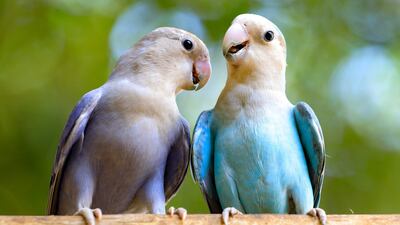
Some of the planet’s most stunning creatures, including giraffes and parrots, are at risk from global warming and other human-induced environmental change, the UN has warned. Photo: AFP -
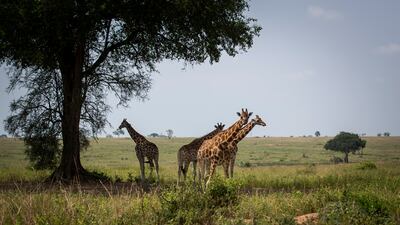
Giraffes stand by the shade of a tree in Murchison Falls National Park, Uganda. Photo: AP -
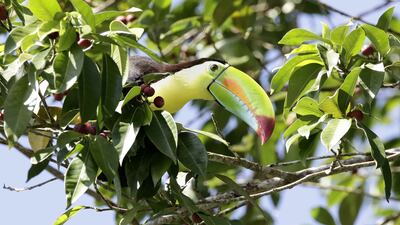
Some analysts have concluded that the likes of toucans, puffins and hummingbirds may face particularly uncertain futures. Photo: EPA -
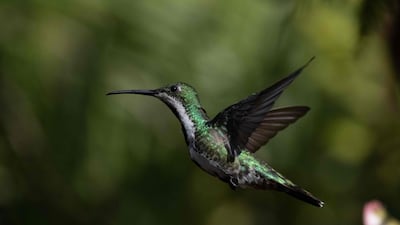
A hummingbird flies at a garden in Caracas, the capital of Venezuela. Photo: AFP -
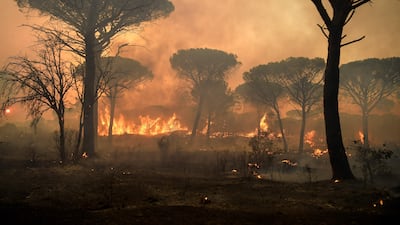
Wildfires in southern France. Tree species are facing several threats including an increase in the frequency of wildfires due to climate change and deforestation because of industry, agriculture and firewood. Photo: AFP


The two-week summit was meant to take place in October 2020 in Kunming, China, but due to the coronavirus pandemic and Beijing's strict public health policies, it was announced in June that it would take place in Montreal in December.
Negotiators at Cop15 are expected to finalise and sign a document called the Post-2020 Global Biodiversity Framework.
The initiative has been called 30 by 30, as one of its main aims is a commitment to conserving at least 30 per cent of Earth’s land and water by 2030.
It was revealed at last month's Cop27 climate summit in Egypt that the 30 by 30 draft pledge has gained wide support from more than 110 nations, including the US.
On Sunday, more than 650 scientists sent a letter to world leaders, including US President Joe Biden and UK Prime Minister Rishi Sunak, saying that if they agree to protect 30 per cent of land and sea by 2030, they must also commit to ending reliance on biomass energy.
Traditionally, world leaders do not attend the biodiversity summits but instead send ministerial representatives to negotiations.

