

Live updates: follow the latest news on Russia-Ukraine
US President Joe Biden signed an executive order on Wednesday requiring the government to assess the risks and benefits of creating a central bank digital dollar, as well as other cryptocurrency issues, the White House said.
Mr Biden's order will require the Treasury Department, the Commerce Department and other key agencies to prepare reports on "the future of money" and the role cryptocurrencies will play.
The Federal Reserve issued a paper on the topic in January that explores the risks and benefits of US-backed digital currency.
The move comes as administration officials have raised concerns in recent weeks about Russia’s use of cryptocurrency to evade the impact of crushing sanctions in response to its invasion of Ukraine.
The sanctions have sent the rouble to historic lows and have closed the country's stock market.
-
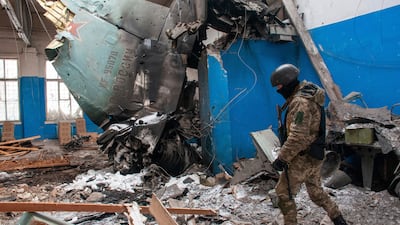
A Ukrainian serviceman walks past the vertical tail fin of a Russian Su-34 bomber lying in a damaged building in Kharkiv, Ukraine. AP Photo -
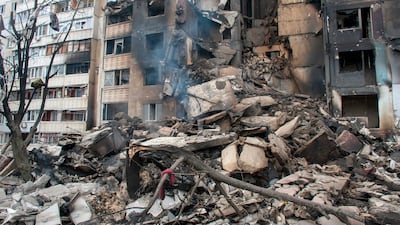
An apartment building damaged after shelling in Kharkiv, Ukraine. AP Photo -
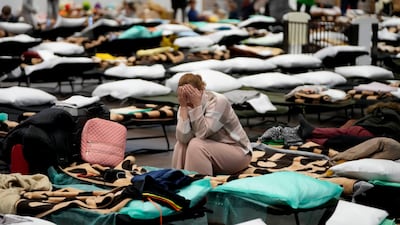
A woman puts her head in her hands as she sits on a cot in a shelter, set up for displaced persons fleeing Ukraine, inside a school gymnasium in Przemysl, Poland. AP Photo -
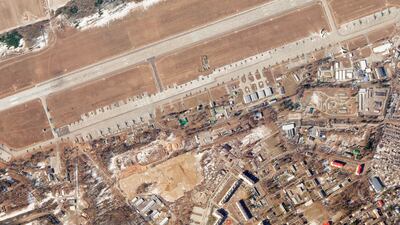
Belarussian and suspected Russian helicopters on the flight line at Machulishchy Air Base outside Minsk, Belarus. AP Photo -

Children look on as people fleeing Russia's invasion of Ukraine shelter in a school, in Drohobych, Ukraine. Reuters -
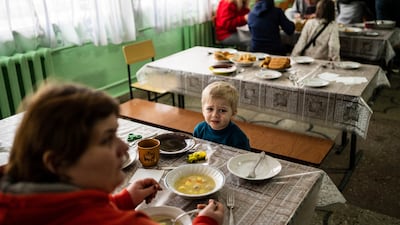
Families eat in the shelter. Reuters -
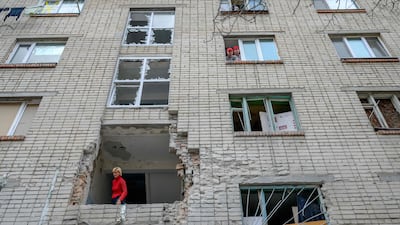
A woman looks out from a building damaged by Russian shelling in Mykolaiv, 100 kilometres away from Odesa, western Ukraine. AFP -

A wounded Ukrainian man waits in the corridor of the central hospital of Mykolaiv. AFP -
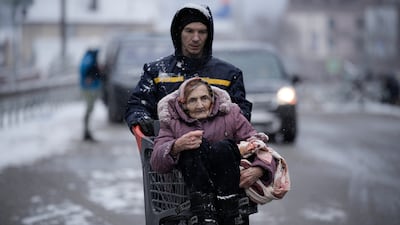
An elderly woman is carried in a shopping cart after being rescued from Irpin, on the outskirts of Kyiv, Ukraine. AP -
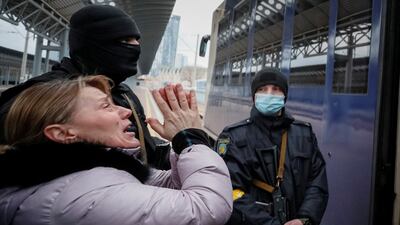
A woman reacts as a train carrying children from Kyiv's Central Children's Hospital leaves the Ukrainian capital on its way to Lviv. Reuters -
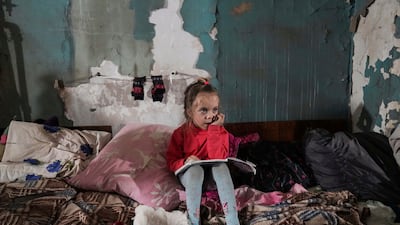
A girl sits in an improvised bomb shelter in Mariupol, Ukraine. AP -
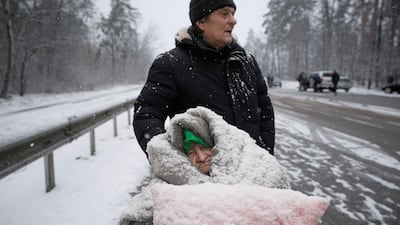
An elderly woman is coated in snow as she sits in a wheelchair after being rescued from Irpin. AP -
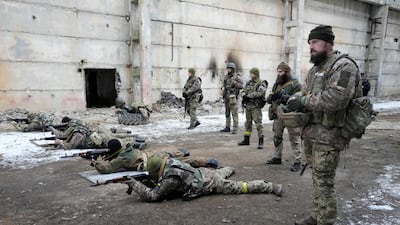
Belarusian volunteers take part in military exercises at the Belarusian Company base in Kyiv. AP -
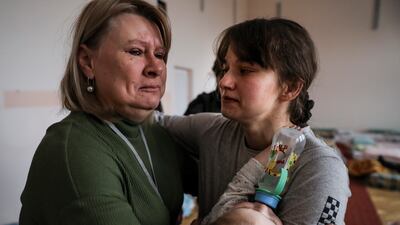
Lessa, left, director of a nursery school turned into a refugee shelter, cries as she hugs Olega, who arrived from Kyiv with her baby, near Lviv. EPA -
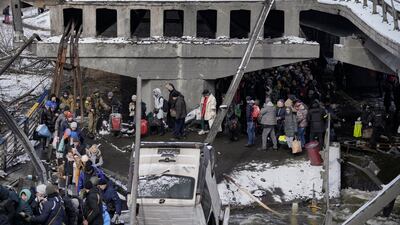
Ukrainians pass a damaged bridge as they flee from Irpin. AP -
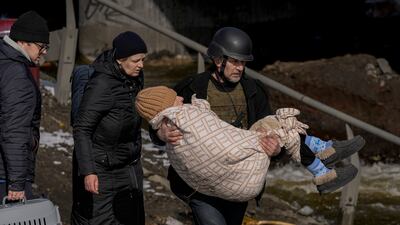
A man carries an elderly woman as people continue to leave Irpin. AP -
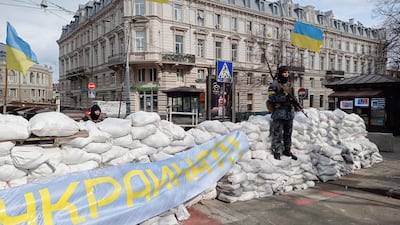
A soldier stands on a barricade made of sandbags in central Odesa, Ukraine. Reuters -
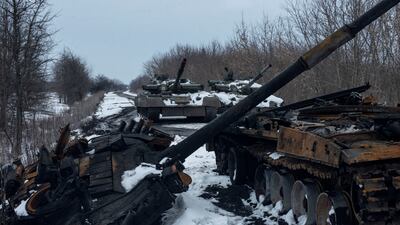
A charred Russian tank and captured tanks in the Sumy region. Reuters -
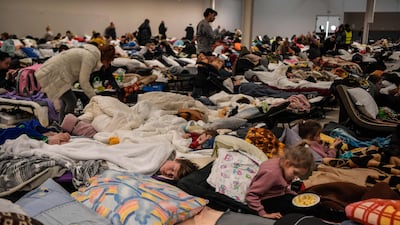
People rest at a temporary shelter for Ukrainian refugees in Przemysl, Poland. AFP -

Ukraine's ambassador to the Netherlands, Maksym Kononenko, third right, and his wife Tetiana Doroshenko, fourth left, attend a meeting of members of the Ukrainian community with Dutch King Willem-Alexander, third left, and Queen Maxima, second left, to discuss the situation in Ukraine, in The Hague. EPA -
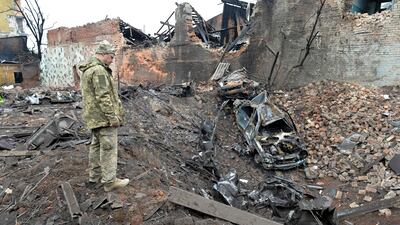
A Ukrainian soldier looks at the destruction after shelling in Ukraine's second-largest city of Kharkiv. AFP -
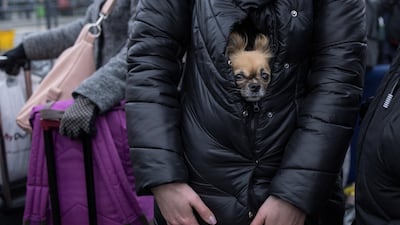
A refugee holds her dog as they wait for trains to Poland in Lviv, Ukraine. Reuters -
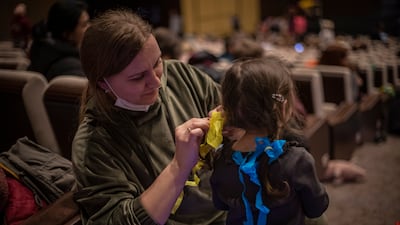
A woman ties ribbons in Ukrainian national flag colours in a girl's hair as people wait at a refugee assistance centre in Prague, Czech Republic. EPA -
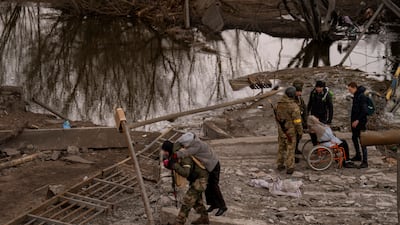
A Ukrainian soldier carries an elderly woman crossing the Irpin river on the outskirts of Kyiv. AP -
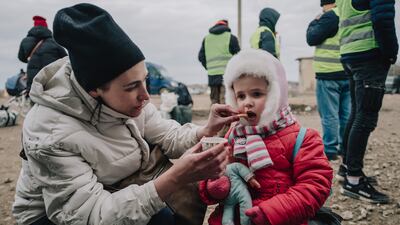
Lena, who had never left Ukraine before fleeing into Moldova, feeds Dasha, 3, soon after crossing the border. Erin Clare Brown for The National -
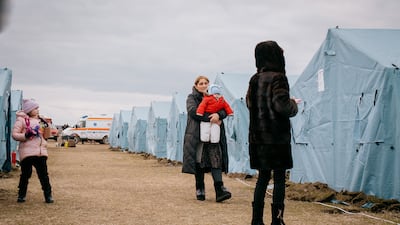
Refugees without immediate plans to move further inland can stay the night in tents set up on Moldova's side of the border. Erin Clare Brown for The National -

Tatiana and her son wait for a van that will carry them from the Moldovan border to Chisinau. Erin Clare Brown for The National -
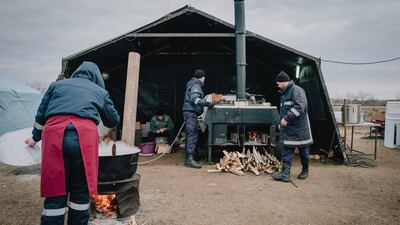
Each night, the Palanca refugee camp in Moldova feeds up to 300 people who arrive with no onward plans. Erin Clare Brown for The National -
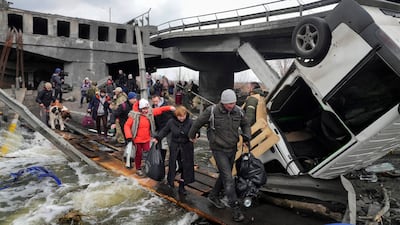
People pass a damaged bridge while fleeing the town of Irpin, close to the Ukrainian capital of Kyiv. AP -
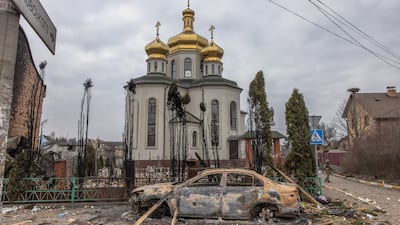
A Ukrainian soldier stands guard next to a church in Irpin. EPA -
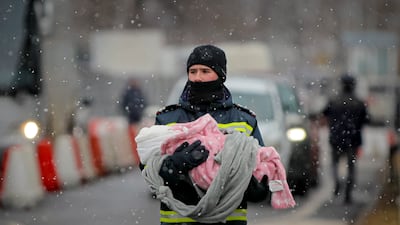
A firefighter holds the baby of a Ukrainian refugee at the border in Romania. AP -
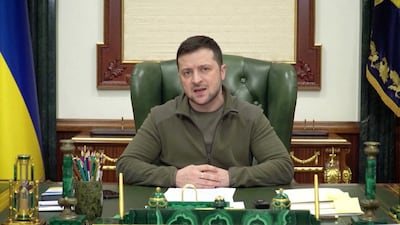
Ukrainian President Volodymyr Zelenskyy speaks in Kyiv. Reuters -
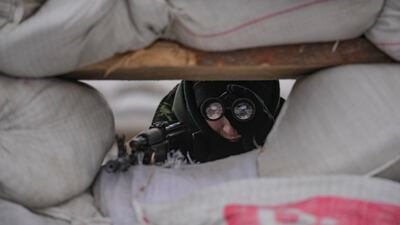
A Ukrainian soldier at a checkpoint in Kyiv. AP -
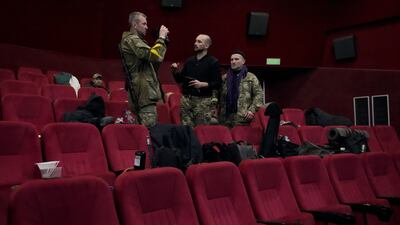
Ukrainian activist Ihor Mazur, left, a veteran of the war in the country's east, looks at a night-vision device in Kyiv. AP -
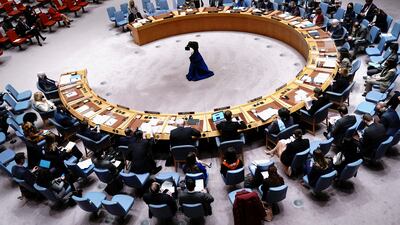
Ambassadors attend a UN Security Council meeting on threats to international security after Russia's invasion of Ukraine, in New York. Reuters -
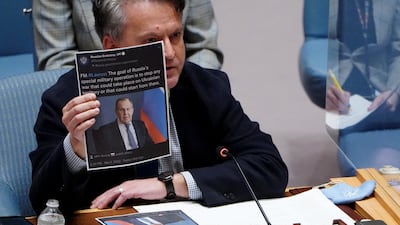
Ukraine's UN ambassador Sergey Kyslytsya holds a paper with an image of Russia's Foreign Minister Sergey Lavrov as he addresses the Security Council in New York. Reuters -
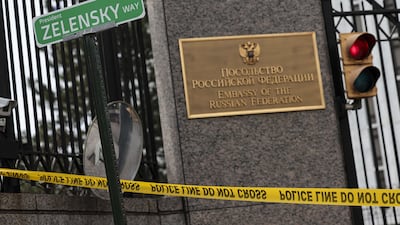
A road sign put up in support of Mr Zelenskyy outside Russia's embassy in Washington. AFP -
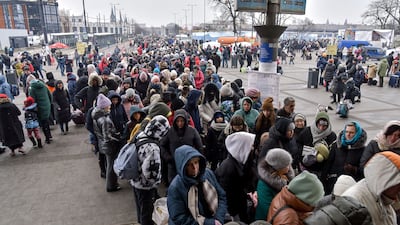
Ukrainian refugees at the train station in Lviv, western Ukraine. EPA -
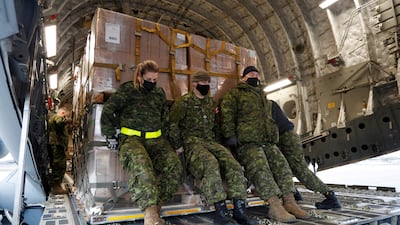
Lethal and non-lethal Ukrainian aid is loaded on to a plane bound for Poland by Canadian soldiers in Trenton, Ontario. Reuters -
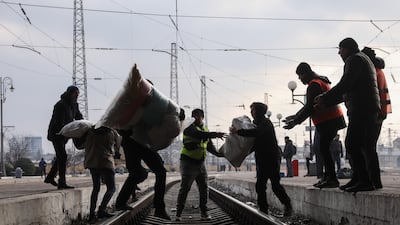
Volunteers carry medical aid and necessities at a train station in Lviv. EPA -

Everton players wear T-shirts in support of Ukraine as they warm up for an English Premier League football match against Tottenham Hotspur. AP -
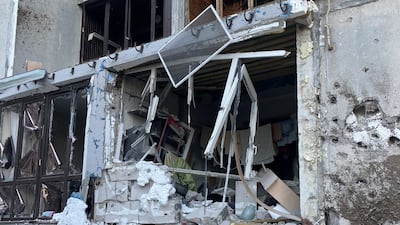
A residential building damaged by Russian shelling in Chernihiv, Ukraine. Reuters -
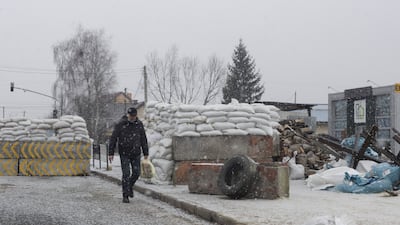
A man walks past a checkpoint in heavy snow in Lviv. Getty -
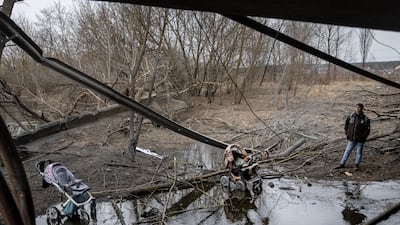
A man fleeing fighting in Irpin waits to cross a river after Russian forces entered the city. Getty -
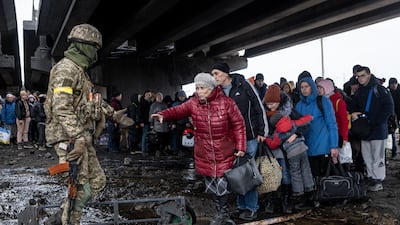
Soldiers assist Irpin residents underneath a damaged bridge as they flee. Getty -

Ukrainian civilians who volunteered to join the Territorial Defence Forces take part in a training exercise in Odesa after Russia's invasion. Reuters -
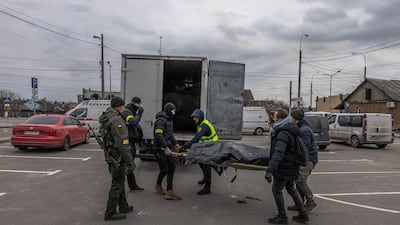
Men carry a body to a lorry as people flee from the frontline town of Irpin. EPA -
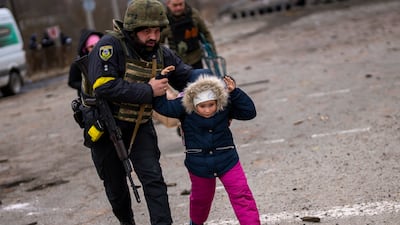
A Ukrainian police officer runs with a child as the sound of shelling echoes nearby in Irpin. AP -
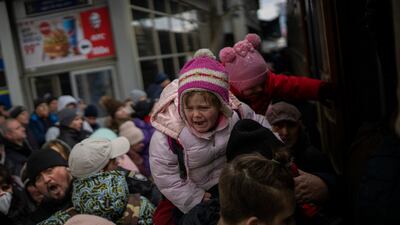
Parents and children struggle to board a train in Lviv. AP


The executive order is part of an effort to promote responsible innovation but mitigates the risk to consumers, investors and businesses, Brian Deese, director of the National Economic Council, and Jake Sullivan, White House national security adviser, said in a statement.
"We are clear-eyed that 'financial innovation' of the past has too often not benefited working families, while exacerbating inequality and increasing systemic financial risk," they said.
Implicit in the order will be that cryptocurrency will remain a part of the US economy for years to come.
While US officials have played down the significance of cryptocurrency to Russia’s ability to evade sanctions, it remains a concern.
“We will continue to look at how the sanctions work and evaluate whether or not there are liquid leakages and we have the possibility to address them. I often hear cryptocurrency mentioned and that is a channel to be watched,” Treasury Secretary Janet Yellen said last week.
The US will monitor developments with an eye to maintaining the centrality of the dollar in the global economy, the White House said.
In addition, the order asks agencies, including the Securities and Exchange Commission and the Consumer Financial Protection Bureau, to review other issues raised by cryptocurrencies, including systemic risk and consumer protection.
A senior administration official who spoke on condition of anonymity said the president's national security team has already been on the lookout for the use and creation of front companies and alternative financial institutions that Moscow might try to employ to get around sanctions.
Crypto is one of several spaces that the Biden administration is looking to shore up as it tries to make certain that sanctions on Russia have maximum impact. The official said past experiences in Iran and Venezuela with sanctions evasion are informing the administration’s efforts. Additional export controls and new sanction targets are expected to be unveiled in the days and weeks ahead to counter Russian sanction evasion efforts, the official said.
On Monday, the Treasury's Financial Crimes Enforcement Network issued an alert advising financial institutions to be “vigilant” against any efforts to evade sanctions in connection with Russia's war in Ukraine.
“Although we have not seen widespread evasion of our sanctions using methods such as cryptocurrency, prompt reporting of suspicious activity contributes to our national security and our efforts to support Ukraine and its people,” acting Director Him Das said in a statement.

