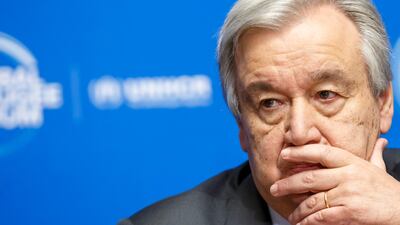
The United Nation's chief said on Wednesday that the world's one billion people living with disabilities are among the hardest hit by the coronavirus and called for them to have equal access to prevention and treatment of Covid-19.
Secretary General Antonio Guterres said the pandemic is revealing the extent to which people are marginalised and is intensifying the inequalities that people with disabilities already face, such as poverty and higher rates of violence, neglect and abuse.
His video message was released alongside a UN report that said people with disabilities are estimated to be 15 per cent of the world's population and 46 per cent of the world's people who are older than 60.
He noted that Covid-19 is often more severe in people with existing health problems, increasing their likelihood of dying. And the disabled and elderly who live in care homes and institutions are particularly vulnerable since they may face barriers to health care, good hygiene and social distancing.
In some countries, Mr Guterres said, decisions on rationing health care are based on discriminatory criteria "such as age or assumptions about quality or value of life, based on disability".
"We cannot let this continue," he said. "We must guarantee the equal rights of people with disabilities to access health care and life-saving procedures during the pandemic."
The report outlined actions to protect people with disabilities from contracting the virus and dealing with the impact of lockdowns, physical distancing and isolation.
It called for greater support and political commitment to ensure that people with disabilities "have access to essential services, including to immediate health and social protection services, to tide over the crisis".

