


The cost of travelling by train around Europe is four times more expensive on average than flying, according to Greenpeace.
The price differences stem from an uneven regulatory playing field at the expense of the climate and workers’ rights, the environmental group said.
Greenpeace compared ticket prices on more than 100 routes between major cities in European countries including the UK.
Many rail journeys on the continent were found to be twice as expensive as flying, despite there being direct routes between cities.
Flying was cheaper on all of the 12 routes from the UK that the team looked at, including between London and Edinburgh.
Travelling to Barcelona from London by train was found to be 10 times more expensive on average than flying, and up to 30 times more expensive if booked at the last minute – the biggest price difference in the analysis.
Greenpeace said travelling by train creates five times less pollution than flying, but on 79 of the 112 routes they looked at between 27 European countries, flying was cheaper.
“As millions of Brits head off on their European breaks – many to areas that are being scorched by this historic heatwave – the twisted economics of the transport industry means they are being encouraged to keep throwing fuel on the climate inferno," Dr Doug Parr, Greenpeace UK’s director of policy, said.
“Flying only looks like a bargain because the cost of pollution is so cheap. Low-cost airlines are paying negligible tax while imposing low wages and poor conditions on staff.”
Top 20 airlines in the world in 2023 - in pictures
-

Air New Zealand is named the world's best airline in 2023. Reuters -

Qatar Airways slipped into second spot in the 2023 ranking. Reuters -
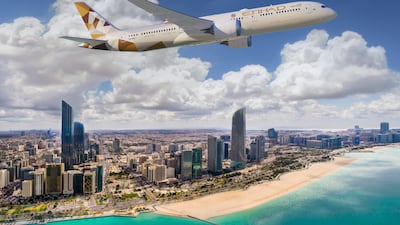
Etihad Airways, the UAE's national airline, is the third best in the world according to AirlineRatings.com. Photo: Etihad -

South Korea's flag carrier Korean Air ranks fourth. Getty -

Singapore Airlines is the fifth top airline in the world in 2023. Reuters -

Australia's Qantas ranks sixth, and also won an award for having the best passenger lounges. Reuters -
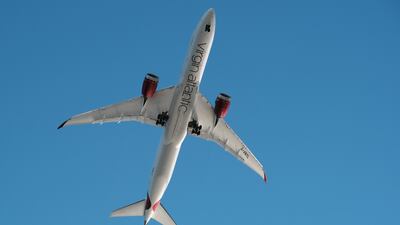
Virgin Atlantic and Virgin Australia rank seventh. Getty -
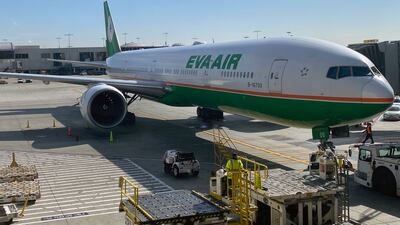
Taiwan's Eva Air listed in eighth place. AFP -

Hong Kong's Cathay Pacific is ninth. Reuters -
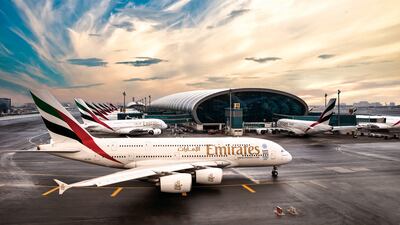
Emirates climbed to tenth position in the 2023 ranking. Photo: Emirates -
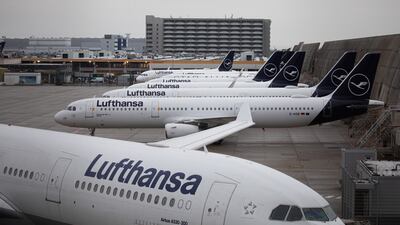
German airline Lufthansa just missed out on a spot in the top 10. AFP -

SAS Scandinavian Airlines was listed in twelfth. Reuters -

TAP Air Portugal also made the world's top 20 list, in 13th position. Reuters -

Japan's All Nippon Airways is among the world's top 20, ranking at number 14. Reuters -

Delta Airlines is the highest ranked US airline in the top 20 list. Reuters -
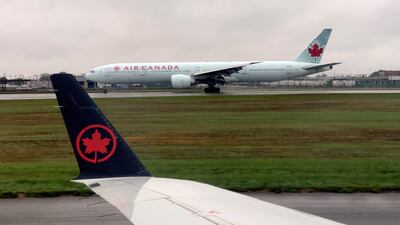
Air Canada also made the cut, ranking at number 16. AFP -

The UK's national airline British Airways is one of the top 20 in the world. Photo: BA -

US-based JetBlue ranks at number 18. Reuters -

Japan's second airline to make the top 20 is Japan Airlines. Reuters -

Vietnam Airlines takes the final spot in the top 20 list. Reuters


Greenpeace called the UK’s 12 routes the “dirty dozen” and said train journeys cannot compete when a ticket to Barcelona from London costs as little as €12.99 ($14.53).
Swapping the 3.36 million annual flights on this route for train journeys would save approximately 461,000 tons (about 418,000 tonnes) of greenhouse gases, the group said.
They also said 3.4 million passengers fly between London and Edinburgh every year despite there being dozens of train connections every day.
Greenpeace wants the government to ban short-haul flights where there are viable rail alternatives, end subsidies for airlines and airports, phase out tax exemptions for kerosene and introduce a frequent flyer levy.
It is also calling for the introduction of “climate tickets”, which would allow travel on low-carbon forms of public transport in a country or region.
A separate analysis by the clean transport campaign group Transport and Environment recently found that the UK was missing out on £4.7 billion ($6.06 billion) in tax that it could be taking from the aviation sector.
“We’re committed to decarbonising air travel without the need to limit demand," a government spokesperson said.
“Our Jet Zero Strategy sets out our approach for net zero aviation by 2050, and recent reforms to air passenger tax means those who fly furthest, and have the greatest impact on emissions, incur a greater cost.”

