A special missile that destroys Russian radar has become a “critical factor” in Ukraine’s recent success after it was secretly armed on to their jets, military analysts have told The National.
Working covertly over the summer, US engineers overcame technical challenges to attach the High-speed Anti-Radiation Missiles (HARM) to Ukraine’s Russian-made fighters.
The technology has given the Ukrainian air force a potent counter-punch with the missile homing in on radiation transmissions at 3,200 kilometres per hour, destroying Russian radars or forcing them to shut down to avoid detection.
This has given Ukraine’s drones, missiles and aircraft safe airspace to launch attacks with the HARM system playing a significant role in Kyiv’s counter-offensive, during which government troops have retaken vast areas of occupied territory.
“What HARM does to Russian air defence is a critical factor,” said Sam Cranny-Evans, a specialist on the Russian military at the RUSI think tank. “Their radar was playing a really important role in reducing the damage from HIMARS missiles and drones which means that they really can't afford to lose them.”
Radar is vital in identifying incoming air attacks and to guide air defence systems such as the TorM2 missile system that is capable of shooting down the US-supplied HIMARS precision missiles.
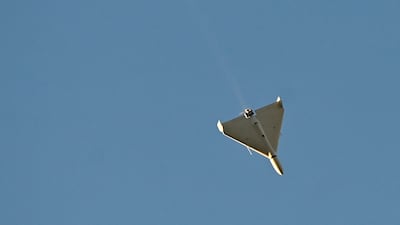
Showing increased sophistication in modern warfare, the Ukrainians are sending in “strike packages” of drone and HIMARS salvos, after HARM attacks that either destroy radars or force the Russians to switch them off, blinding their defences.
The reappearance of the Turkish-supplied Bayraktar TB2 combat drones, that were vulnerable to Russian air defence, also suggests the radiation missiles are restricting radar.
Key to this was the exceptionally fast adaptation of the American-made missiles to the MiG-29, Su-27 and Su-30 jets, something recently confirmed by the US Pentagon.
“That wasn’t an easy task,” said Nick Brown, director at Janes, the defence intelligence provider “Using HARM is not as easy as just strapping the missile on to a fighter and pulling the trigger. The software coding, avionics and sensors in a Sukhoi Su-30 or MiG-29 are a world away from the western fighters that the missile was designed to arm.”
Working in secrecy during the early summer, it is understood that American specialists fitted the missiles and tested them somewhere in the relative safety of western Ukraine
“It was quite a feat in that normally you would expect this sort of thing to take a very long time in terms of months or years of trials, especially in how the missile interacts with the flight control software,” said air warfare RUSI specialist, Justin Bronk. “It's highly impressive that they did it in a couple of months.”
However, he said, the attachment was like to be “extremely rudimentary” with the missile's homing abilities doing most of the work.
The National understands that HARM version being used is the AGM-88B model that has been successfully deployed during operations in Iraq, the former Yugoslavia and Libya.
The 350-kilogram missile has a seeker with a range of 145km that is able to find and hit radars, sometimes even after they have been switched off.
“The anti-radiation missiles allow you to create windows of access for other aircraft to go in and do things within what would otherwise be in range of those defence systems,” said Mr Bronk. “There are certainly several Russian radars that have been pictured apparently destroyed by HARM as well as several SA15s self-propelled short-range missile air defence systems that have been damaged.”
“HARM’s entire purpose is to kill radars and the version that has entered the fight in Ukraine has a seeker set up to find radar emitters and home in on them at well over 2,000 miles per hour [3,200kph], delivering a fragmentation warhead designed to shred antennas and control buildings,” said Mr Brown of Janes.
Before the February invasion, the Russian air force was regarded as vastly superior but it then suffered losses to Ukraine's missile defence system.
Kyiv’s clever use of HARM has now resulted in almost a reversal of who controls the skies, giving it the ability to launch air strikes on Russian positions, something previously considered unthinkable.
“The presence of an anti-radiation capability in-theatre has forced the Russian forces to change their radar deployment plans and enact more complicated usage patterns, switching radars off and moving them around, degrading their situational awareness at a strategic level and enabling Ukrainian air assets a greater freedom of movement,” said Mr Brown.
That tactic, known as Suppression of Enemy Air Defence, has allowed Ukraine’s forces to deploy drones that can direct artillery fire with much greater accuracy, said Mr Bronk. “This also gives them more access to their fast jets to deliver unguided rockets and bomb attacks that will make things much harder for the Russians.”
It also shows the increased sophistication of Kyiv’s forces that has come from western supplied equipment and training, said Sam Cranny-Evans.
“The Ukrainians now have lots of different ways now to menace Russian systems whereas only back in July, before HIMARS and HARM arrived their options were to try not to die,” he said. “Now they can push back and start taking action to attack the Russians with real effectiveness.”

UAE currency: the story behind the money in your pockets
Timeline
2012-2015
The company offers payments/bribes to win key contracts in the Middle East
May 2017
The UK SFO officially opens investigation into Petrofac’s use of agents, corruption, and potential bribery to secure contracts
September 2021
Petrofac pleads guilty to seven counts of failing to prevent bribery under the UK Bribery Act
October 2021
Court fines Petrofac £77 million for bribery. Former executive receives a two-year suspended sentence
December 2024
Petrofac enters into comprehensive restructuring to strengthen the financial position of the group
May 2025
The High Court of England and Wales approves the company’s restructuring plan
July 2025
The Court of Appeal issues a judgment challenging parts of the restructuring plan
August 2025
Petrofac issues a business update to execute the restructuring and confirms it will appeal the Court of Appeal decision
October 2025
Petrofac loses a major TenneT offshore wind contract worth €13 billion. Holding company files for administration in the UK. Petrofac delisted from the London Stock Exchange
November 2025
180 Petrofac employees laid off in the UAE
MATCH INFO
CAF Champions League semi-finals first-leg fixtures
Tuesday:
Primeiro Agosto (ANG) v Esperance (TUN) (8pm UAE)
Al Ahly (EGY) v Entente Setif (ALG) (11PM)
Second legs:
October 23
GROUPS AND FIXTURES
Group A
UAE, Italy, Japan, Spain
Group B
Egypt, Iran, Mexico, Russia
Tuesday
4.15pm: Italy v Japan
5.30pm: Spain v UAE
6.45pm: Egypt v Russia
8pm: Iran v Mexico
The specs
Engine: 0.8-litre four cylinder
Power: 70bhp
Torque: 66Nm
Transmission: four-speed manual
Price: $1,075 new in 1967, now valued at $40,000
On sale: Models from 1966 to 1970
Company%20Profile
%3Cp%3E%3Cstrong%3ECompany%20name%3A%20%3C%2Fstrong%3ENamara%0D%3Cbr%3E%3Cstrong%3EStarted%3A%20%3C%2Fstrong%3EJune%202022%0D%3Cbr%3E%3Cstrong%3EFounder%3A%20%3C%2Fstrong%3EMohammed%20Alnamara%0D%3Cbr%3E%3Cstrong%3EBased%3A%20%3C%2Fstrong%3EDubai%20%0D%3Cbr%3E%3Cstrong%3ESector%3A%20%3C%2Fstrong%3EMicrofinance%0D%3Cbr%3E%3Cstrong%3ECurrent%20number%20of%20staff%3A%20%3C%2Fstrong%3E16%0D%3Cbr%3E%3Cstrong%3EInvestment%20stage%3A%20%3C%2Fstrong%3ESeries%20A%0D%3Cbr%3E%3Cstrong%3EInvestors%3A%20%3C%2Fstrong%3EFamily%20offices%0D%3Cbr%3E%3C%2Fp%3E%0A
The%20specs
%3Cp%3E%3Cstrong%3EEngine%3A%3C%2Fstrong%3E%203.0-litre%20six-cylinder%20turbo%20(BMW%20B58)%3Cbr%3E%3Cstrong%3EPower%3A%3C%2Fstrong%3E%20340hp%20at%206%2C500rpm%3Cbr%3E%3Cstrong%3ETorque%3A%3C%2Fstrong%3E%20500Nm%20from%201%2C600-4%2C500rpm%3Cbr%3E%3Cstrong%3ETransmission%3A%3C%2Fstrong%3E%20ZF%208-speed%20auto%3Cbr%3E%3Cstrong%3E0-100kph%3A%3C%2Fstrong%3E%204.2sec%3Cbr%3E%3Cstrong%3ETop%20speed%3A%3C%2Fstrong%3E%20267kph%3C%2Fp%3E%0A%3Cp%3E%3Cstrong%3EOn%20sale%3A%3C%2Fstrong%3E%20Now%3Cbr%3E%3Cstrong%3EPrice%3A%3C%2Fstrong%3E%20From%20Dh462%2C189%3Cbr%3E%3Cstrong%3EWarranty%3A%3C%2Fstrong%3E%2030-month%2F48%2C000k%3C%2Fp%3E%0A
The biog
Hometown: Birchgrove, Sydney Australia
Age: 59
Favourite TV series: Outlander Netflix series
Favourite place in the UAE: Sheikh Zayed Grand Mosque / desert / Louvre Abu Dhabi
Favourite book: Father of our Nation: Collected Quotes of Sheikh Zayed bin Sultan Al Nahyan
Thing you will miss most about the UAE: My friends and family, Formula 1, having Friday's off, desert adventures, and Arabic culture and people
The specs
Engine: 3.5-litre V6
Power: 272hp at 6,400rpm
Torque: 331Nm from 5,000rpm
Transmission: 8-speed auto
Fuel consumption: 9.7L/100km
On sale: now
Price: Dh149,000
The President's Cake
Director: Hasan Hadi
Starring: Baneen Ahmad Nayyef, Waheed Thabet Khreibat, Sajad Mohamad Qasem
Rating: 4/5
The%20specs
%3Cp%3E%3Cstrong%3EPowertrain%3A%20%3C%2Fstrong%3ESingle%20electric%20motor%0D%3Cbr%3E%3Cstrong%3EPower%3A%20%3C%2Fstrong%3E201hp%0D%3Cbr%3E%3Cstrong%3ETorque%3A%20%3C%2Fstrong%3E310Nm%0D%3Cbr%3E%3Cstrong%3ETransmission%3A%20%3C%2Fstrong%3ESingle-speed%20auto%0D%3Cbr%3E%3Cstrong%3EBattery%3A%20%3C%2Fstrong%3E53kWh%20lithium-ion%20battery%20pack%20(GS%20base%20model)%3B%2070kWh%20battery%20pack%20(GF)%0D%3Cbr%3E%3Cstrong%3ETouring%20range%3A%20%3C%2Fstrong%3E350km%20(GS)%3B%20480km%20(GF)%0D%3Cbr%3E%3Cstrong%3EPrice%3A%20%3C%2Fstrong%3EFrom%20Dh129%2C900%20(GS)%3B%20Dh149%2C000%20(GF)%0D%3Cbr%3E%3Cstrong%3EOn%20sale%3A%3C%2Fstrong%3E%20Now%3C%2Fp%3E%0A
The specs: 2018 Chevrolet Trailblazer
Price, base / as tested Dh99,000 / Dh132,000
Engine 3.6L V6
Transmission: Six-speed automatic
Power 275hp @ 6,000rpm
Torque 350Nm @ 3,700rpm
Fuel economy combined 12.2L / 100km
Dengue%20fever%20symptoms
%3Cp%3EHigh%20fever%20(40%C2%B0C%2F104%C2%B0F)%3Cbr%3ESevere%20headache%3Cbr%3EPain%20behind%20the%20eyes%3Cbr%3EMuscle%20and%20joint%20pains%3Cbr%3ENausea%3Cbr%3EVomiting%3Cbr%3ESwollen%20glands%3Cbr%3ERash%26nbsp%3B%3C%2Fp%3E%0A
The Pope's itinerary
Sunday, February 3, 2019 - Rome to Abu Dhabi
1pm: departure by plane from Rome / Fiumicino to Abu Dhabi
10pm: arrival at Abu Dhabi Presidential Airport
Monday, February 4
12pm: welcome ceremony at the main entrance of the Presidential Palace
12.20pm: visit Abu Dhabi Crown Prince at Presidential Palace
5pm: private meeting with Muslim Council of Elders at Sheikh Zayed Grand Mosque
6.10pm: Inter-religious in the Founder's Memorial
Tuesday, February 5 - Abu Dhabi to Rome
9.15am: private visit to undisclosed cathedral
10.30am: public mass at Zayed Sports City – with a homily by Pope Francis
12.40pm: farewell at Abu Dhabi Presidential Airport
1pm: departure by plane to Rome
5pm: arrival at the Rome / Ciampino International Airport
PROFILE OF SWVL
Started: April 2017
Founders: Mostafa Kandil, Ahmed Sabbah and Mahmoud Nouh
Based: Cairo, Egypt
Sector: transport
Size: 450 employees
Investment: approximately $80 million
Investors include: Dubai’s Beco Capital, US’s Endeavor Catalyst, China’s MSA, Egypt’s Sawari Ventures, Sweden’s Vostok New Ventures, Property Finder CEO Michael Lahyani
Match info
Uefa Nations League Group B:
England v Spain, Saturday, 11.45pm (UAE)
MATCH INFO
FA Cup final
Chelsea 1
Hazard (22' pen)
Manchester United 0
Man of the match: Eden Hazard (Chelsea)
UPI facts
More than 2.2 million Indian tourists arrived in UAE in 2023
More than 3.5 million Indians reside in UAE
Indian tourists can make purchases in UAE using rupee accounts in India through QR-code-based UPI real-time payment systems
Indian residents in UAE can use their non-resident NRO and NRE accounts held in Indian banks linked to a UAE mobile number for UPI transactions
Who's who in Yemen conflict
Houthis: Iran-backed rebels who occupy Sanaa and run unrecognised government
Yemeni government: Exiled government in Aden led by eight-member Presidential Leadership Council
Southern Transitional Council: Faction in Yemeni government that seeks autonomy for the south
Habrish 'rebels': Tribal-backed forces feuding with STC over control of oil in government territory
Ant-Man and the Wasp
Director: Peyton Reed
Starring: Paul Rudd, Evangeline Lilly, Michael Douglas
Three stars
AndhaDhun
Director: Sriram Raghavan
Producer: Matchbox Pictures, Viacom18
Cast: Ayushmann Khurrana, Tabu, Radhika Apte, Anil Dhawan
Rating: 3.5/5
Five hymns the crowds can join in
Papal Mass will begin at 10.30am at the Zayed Sports City Stadium on Tuesday
Some 17 hymns will be sung by a 120-strong UAE choir
Five hymns will be rehearsed with crowds on Tuesday morning before the Pope arrives at stadium
‘Christ be our Light’ as the entrance song
‘All that I am’ for the offertory or during the symbolic offering of gifts at the altar
‘Make me a Channel of your Peace’ and ‘Soul of my Saviour’ for the communion
‘Tell out my Soul’ as the final hymn after the blessings from the Pope
The choir will also sing the hymn ‘Legions of Heaven’ in Arabic as ‘Assakiroo Sama’
There are 15 Arabic speakers from Syria, Lebanon and Jordan in the choir that comprises residents from the Philippines, India, France, Italy, America, Netherlands, Armenia and Indonesia
The choir will be accompanied by a brass ensemble and an organ
They will practice for the first time at the stadium on the eve of the public mass on Monday evening
Silent Hill f
Publisher: Konami
Platforms: PlayStation 5, Xbox Series X/S, PC
Rating: 4.5/5
Read more about the coronavirus
White hydrogen: Naturally occurring hydrogen
Chromite: Hard, metallic mineral containing iron oxide and chromium oxide
Ultramafic rocks: Dark-coloured rocks rich in magnesium or iron with very low silica content
Ophiolite: A section of the earth’s crust, which is oceanic in nature that has since been uplifted and exposed on land
Olivine: A commonly occurring magnesium iron silicate mineral that derives its name for its olive-green yellow-green colour
Challenge Cup result:
1. UAE 3 faults
2. Ireland 9 faults
3. Brazil 11 faults
4. Spain 15 faults
5. Great Britain 17 faults
6. New Zealand 20 faults
7. Italy 26 faults
What is the FNC?
The Federal National Council is one of five federal authorities established by the UAE constitution. It held its first session on December 2, 1972, a year to the day after Federation.
It has 40 members, eight of whom are women. The members represent the UAE population through each of the emirates. Abu Dhabi and Dubai have eight members each, Sharjah and Ras al Khaimah six, and Ajman, Fujairah and Umm Al Quwain have four.
They bring Emirati issues to the council for debate and put those concerns to ministers summoned for questioning.
The FNC’s main functions include passing, amending or rejecting federal draft laws, discussing international treaties and agreements, and offering recommendations on general subjects raised during sessions.
Federal draft laws must first pass through the FNC for recommendations when members can amend the laws to suit the needs of citizens. The draft laws are then forwarded to the Cabinet for consideration and approval.
Since 2006, half of the members have been elected by UAE citizens to serve four-year terms and the other half are appointed by the Ruler’s Courts of the seven emirates.
In the 2015 elections, 78 of the 252 candidates were women. Women also represented 48 per cent of all voters and 67 per cent of the voters were under the age of 40.
Mercer, the investment consulting arm of US services company Marsh & McLennan, expects its wealth division to at least double its assets under management (AUM) in the Middle East as wealth in the region continues to grow despite economic headwinds, a company official said.
Mercer Wealth, which globally has $160 billion in AUM, plans to boost its AUM in the region to $2-$3bn in the next 2-3 years from the present $1bn, said Yasir AbuShaban, a Dubai-based principal with Mercer Wealth.
“Within the next two to three years, we are looking at reaching $2 to $3 billion as a conservative estimate and we do see an opportunity to do so,” said Mr AbuShaban.
Mercer does not directly make investments, but allocates clients’ money they have discretion to, to professional asset managers. They also provide advice to clients.
“We have buying power. We can negotiate on their (client’s) behalf with asset managers to provide them lower fees than they otherwise would have to get on their own,” he added.
Mercer Wealth’s clients include sovereign wealth funds, family offices, and insurance companies among others.
From its office in Dubai, Mercer also looks after Africa, India and Turkey, where they also see opportunity for growth.
Wealth creation in Middle East and Africa (MEA) grew 8.5 per cent to $8.1 trillion last year from $7.5tn in 2015, higher than last year’s global average of 6 per cent and the second-highest growth in a region after Asia-Pacific which grew 9.9 per cent, according to consultancy Boston Consulting Group (BCG). In the region, where wealth grew just 1.9 per cent in 2015 compared with 2014, a pickup in oil prices has helped in wealth generation.
BCG is forecasting MEA wealth will rise to $12tn by 2021, growing at an annual average of 8 per cent.
Drivers of wealth generation in the region will be split evenly between new wealth creation and growth of performance of existing assets, according to BCG.
Another general trend in the region is clients’ looking for a comprehensive approach to investing, according to Mr AbuShaban.
“Institutional investors or some of the families are seeing a slowdown in the available capital they have to invest and in that sense they are looking at optimizing the way they manage their portfolios and making sure they are not investing haphazardly and different parts of their investment are working together,” said Mr AbuShaban.
Some clients also have a higher appetite for risk, given the low interest-rate environment that does not provide enough yield for some institutional investors. These clients are keen to invest in illiquid assets, such as private equity and infrastructure.
“What we have seen is a desire for higher returns in what has been a low-return environment specifically in various fixed income or bonds,” he said.
“In this environment, we have seen a de facto increase in the risk that clients are taking in things like illiquid investments, private equity investments, infrastructure and private debt, those kind of investments were higher illiquidity results in incrementally higher returns.”
The Abu Dhabi Investment Authority, one of the largest sovereign wealth funds, said in its 2016 report that has gradually increased its exposure in direct private equity and private credit transactions, mainly in Asian markets and especially in China and India. The authority’s private equity department focused on structured equities owing to “their defensive characteristics.”