


UK households are already in debt by £1.3 billion to their energy suppliers before bills are set to rise by more than 80 per cent.
The current amount owed to suppliers is already three times higher than it was a year ago, experts at Uswitch said on Wednesday, and it seems likely that it will grow further over the winter.
A survey from the company shows six million homes across the UK owe an average of £206 to their energy provider, when in April the same average debt was £188.
Normally at this time of year people have built up a amount to help even out the increased bills during winter.
Regulator Ofgem is expected to raise the price cap on energy bills to £3,582 ($4,326) a year for the average household in Great Britain from the start of October, according to a new forecast.
Analysts at Cornwall Insight predicted further rises, to £4,266 in January and then £4,427 from the start of April.
How to drive to save petrol - in pictures
-

Experts say motorists should be aware of the “sweet spot” of their car on longer journeys in top gear. Cars consume more fuel if the speed goes beyond 80 to 90kph because of air resistance. Photo: Unsplash/ Chuttersnap -

Using a roof box can increase fuel costs substantially as it disrupts the aerodynamics of the car it is on, making its impact on air resistance greater. Getty Images -

Keeping your tyres properly inflated is extremely important. If your tyres are a little bit softer, that will damage your fuel efficiency a lot. Getty Images -

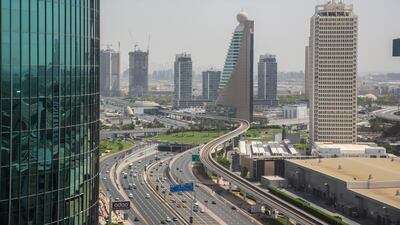
In heavy traffic, such as when stuck in a logjam between Sharjah and Dubai, the important thing is to try to maintain a constant speed for optimal fuel consumption. Chris Whiteoak / The National -
When in traffic, try to move forward slowly. This way, you may avoid having to use the brakes and wasting the energy used in accelerating if vehicles in front of you halt again. Antonie Robertson/The National -
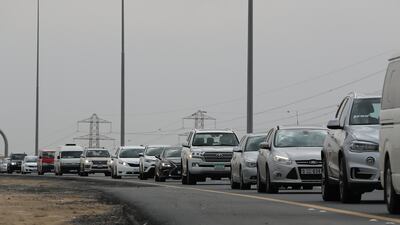
When stuck in a traffic jam, avoid going faster because you will always be stuck behind the car in front of you. This will avoid unnecessary use of the brake and accelerator and save on fuel. Pawan Singh / The National -
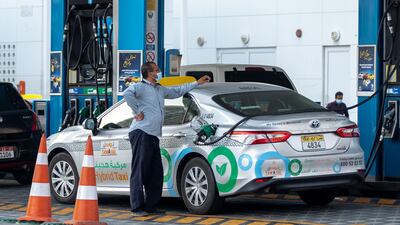
Petrol prices in the UAE have fallen slightly in May. Prices rose more than 10 per cent in February, a further 10 per cent in March, and then 16 per cent in April as global oil prices surged beyond $100 a barrel. Victor Besa / The National


“Energy debt has hit an all-time high with the worst possible timing, turning this winter’s energy price hike into a deeply precarious situation for many households,” said Justina Miltienyte, head of policy at Uswitch.
“This is an alarming situation, as summer is traditionally a time when households are using less power for heating, which helps bill payers to build up energy credit ahead of the winter.”
The survey showed that eight million households have no credit balances, meaning they have no cushion against the winter misery.
Nearly one in five people (18 per cent) said they were worried about their supplier forcing them to take a pre-payment meter if they fell behind on bills, although 38 per cent said they did not know their supplier could do this.
“If you are behind on your bill payments, or your energy account is going into debt, speak to your provider as soon as possible,” Ms Miltienyte said.
“They should be able to help you find a solution, such as working out a more affordable payment plan. You may also find you are eligible for additional support such as hardship funds and other energy help schemes.
“The government also needs to take energy debt seriously ahead of the winter – and a greater support package for vulnerable households needs to be agreed as a priority.”
Bank of England raises interest rates by biggest margin in 27 years - video
There are several ways for customers to save on bills. One of the simplest is to turn down the flow temperature on your condensing combi boiler.
Doing this will allow the boiler to run more efficiently and could save about £200 on an average energy bill.
Another easy saving is to turn off the pre-heat mode on the boiler, which could mean hot water taps taking longer to heat up, but could save hundreds of pounds a year.
Experts also advise households to check if they are eligible for extra support.

