



Machu Picchu, the famous tourist site in Peru, has been closed indefinitely due to ongoing violent protests against the country's new president, the government announced.
Both the site and the Inca trail hike leading up to it were closed in a bid to protect citizens and tourists, many of whom were left stranded for hours.
Protesters have been demanding the resignation of Peru's President Dina Boluarte, since she was sworn in last month after serving as vice president. Since then, 46 people have died and the government has imposed a state of emergency in certain areas of the country.
They want her predecessor, the ousted left-wing Pedro Castillo, to be released from jail where he's facing charges of rebellion and conspiracy.

“Once again, I call for dialogue, I call on those political leaders to calm down. Have a more honest and objective look at the country; let’s talk,” Boluarte said on Thursday after more clashes between protesters and police left one person dead and 30 injured.
Over at the 15th-century Inca citadel, more than 400 people who were left stranded have now been rescued, said Tourism Minister Luis Fernando Helguero on Saturday.
While rail services to the area were suspended on Thursday after train tracks were damaged, the 148 foreigners and 270 Peruvians were safely evacuated on trains and buses on Saturday night.

Last month, visitors to the site had to be airlifted out after being stuck there for several days.
Peru's Culture Ministry has said anyone who has already bought tickets for Machu Picchu can use them for up to one month after the end of the protests or get a refund.
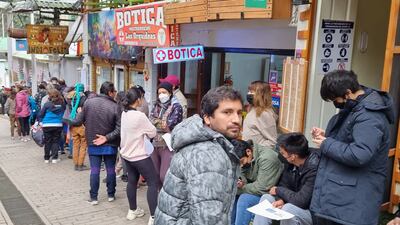
Last summer, ticket sales were also halted at Machu Picchu when chaos erupted at the ancient Incan site, as long lines and overcrowding left many tourists unable to enter. Meanwhile, local residents were on strike, claiming they were not being given enough tickets to sell by the government, despite obvious demand. Protesters were angry as tickets to enter Machu Picchu were only being sold in the nearby city of Cusco, rather than on site.
-
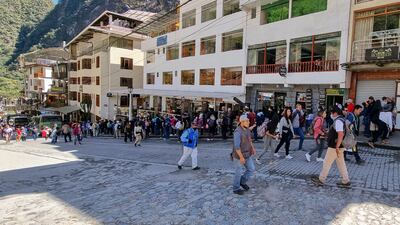
Residents and business owners called for a total strike to protest against the suspension of ticket sales to Machu Picchu. AFP -
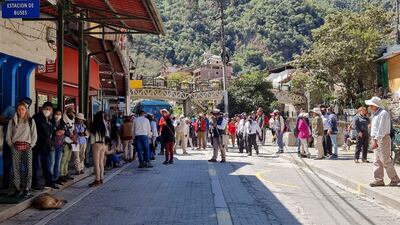
In July 2022, Peru increased the quota of daily visitors who could enter the Inca citadel from 4,044 to 5,044, after tourists complained about a lack of tickets. AFP -
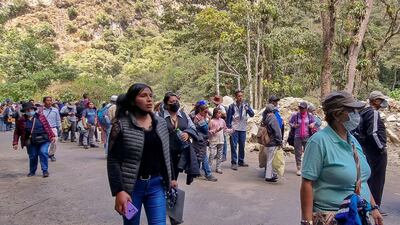
Demonstrators said the tickets are only being sold in Cusco, leaving those from the nearby town of Aguas Calientes unable to benefit from the surge of tourists. AFP -

As travel rebounds in the wake of the Covid-19 pandemic, destinations around the world are struggling to handle rising demand. AFP -
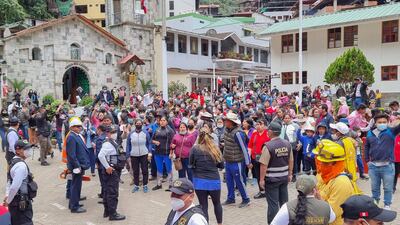
Peruvian and foreign tourists along with tourism workers gather in the streets of the Machu Picchu town. AFP -
Challenges are particularly pertinent at historical sites where authorities must balance queues of tourists with preservation and protection. AFP -
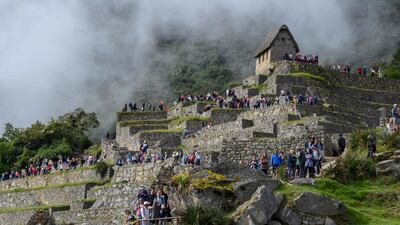
Tickets to enter Macchu Pichu are priced at about $60 for international visitors and $26 for Peruvians. AFP -
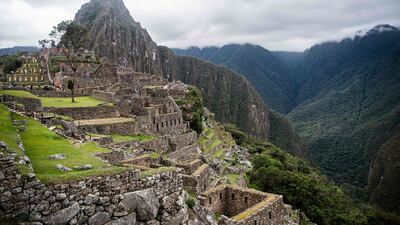
There has been a steady increase in visitors to the Unesco World Heritage site since it reopened in October 2020. AFP -
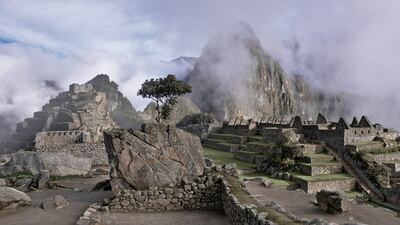
The government of Peru increased capacity at the site twice in 2022. Photo: Tomas Sobek / Unsplash -

In July, the Ministry of Culture officially increased the daily capacity by 1,000 people. Photo: Junior Moran / Unsplash -
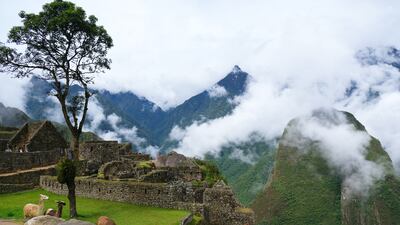
The country’s minister of foreign trade and tourism, Roberto Sanchez Palomino, tweeted the number of visitors would be further increased to 5,044 per day. Photo: Nathalie Marquis / Unsplash -

The citadel was built in the 15th century as a religious sanctuary for the Incas at an altitude of 2,490 metres. Photo: Willian Justen de Vasconcellos / Unsplash -
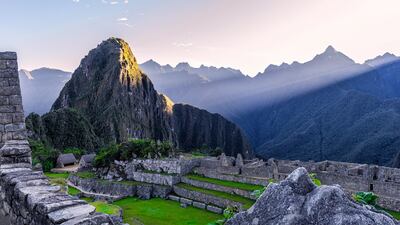
The United Nations has described it as “probably the most amazing urban creation of the Inca Empire at its height". Photo: Jair Garciaferro / Unsplash


At the time, Machu Picchu had a maximum capacity of 4,044 visitors per day, raised from 3,044 the previous month to cater to demand, which had been increasing steadily since the Unesco World Heritage attraction reopened in October 2020.
The citadel was built in the 15th century as a religious sanctuary for the Incas at an altitude of 2,490 metres. In 2018, it attracted 1.5 million visitors. The UN has described it as “probably the most amazing urban creation of the Inca Empire at its height".
However, Unesco also highlighted the challenges faced by the site, which it said requires more stringent management. “Tourism itself represents a double-edged sword by providing economic benefits but also by resulting in major cultural and ecological impacts,” said Unesco.
“The strongly increasing number of visitors to the historic sanctuary of Machu Picchu must be matched by an adequate management regulating access, diversifying the offer and efforts to fully understand and minimise impacts. A larger appropriate and increasing share of the significant tourism revenues could be reinvested in planning and management.”

