


Once the bustling commercial centre of Qatar’s capital, Msheirib is now home to low-income workers and small businesses who have to make way for high-end residences and mega-malls. Photos by Natalie Naccache for The National
-

-

New building in the neighbourhood has been under way for several years on a mammoth urban development project called Msheirib Downtown. -
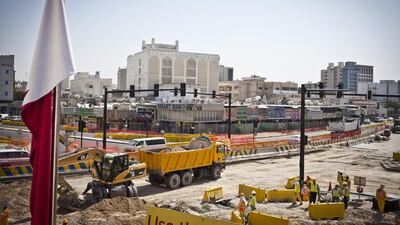
The US$5.4 billion (Dh19.8bn) development promises to transform the area and its soot-caked collection of concrete, decades-old buildings that increasingly contrast with the city’s ultra-modern skyline. -
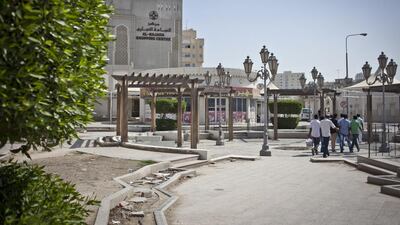
29/03/2014 DOHA, QATARA The Al-Najada Shopping center, near the Msheirab Neighbourhood construction site. Planned to cover 31 hectares when finished, the project includes high-end residences and shopping, cultural centres and government buildings. It is but one of many ambitious developments that Qatar hopes to complete by the time it hosts the football World Cup in 2022. -
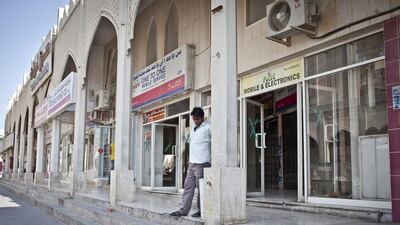
A man stands outside a shop. Three decades ago, Msheirib and its South Asian merchants were the commercial centre of a sleepier Doha. Some of the first international hotel chains in the capital opened here, and residents used to shop at furniture shops and mini-shopping centres here that have been overtaken by newly built and glitzy mega-malls springing up elsewhere in the city. -
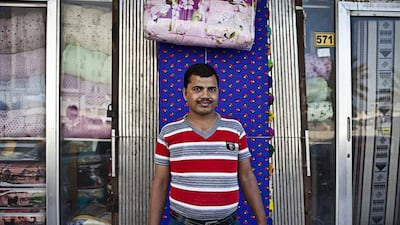
Ganesh Pandey, a salesman of a mobile accessories shop near the Msheirab Neighbourhood construction site. The working-class community of largely South Asian and Filipino men still carries the quaint if somewhat gritty charm of other melting-pot areas in the Gulf, such as Dubai’s Deira neighbourhood. -

Gopal Bahadar-Magar who works for “Pakistan Sweets”. -

Hole-in-the-wall cafes sell delectable Pakistani sweets at dirt-cheap prices. Shops sell Bollywood blockbusters and mannequins sporting brightly coloured saris and chic sunglasses stand in shop windows. At night, the throngs of people packing the streets resemble the congested thoroughfares of Mumbai or Delhi. -

“Soon, this will be all gone. Flattened,” said Padam Raj Raj, a waiter at the Golden Fork restaurant. “This used to be the centre of Doha. This used to be Doha.”
In pictures: Old Doha makes way for modern glitz
Most popular today

