Saudi Arabia will begin easing restrictions on movement and travel this week, more than two months after stringent measures were introduced to help curb the spread of the coronavirus.
Restrictions will be lifted in three phases, culminating in the curfew completely ending - with the exception of the holy city of Makkah - from June 21, the state news agency reported on Tuesday.
The Islamic Affairs Ministry also said that mosques in the kingdom will open for Friday prayers for the first time in weeks.
As well as enforcing at least 2 metres between people, Mosques will be authorised to open 20 minutes before Friday prayers and should close 20 minutes after they finish, the ministry said. Religious lessons and other activities at the mosque will remain suspended.
The Hajj and Umrah pilgrimages - which attract millions of travellers from around the world - will remain suspended until further notice.
The kingdom had recorded 76,726 cases of Covid-19 as of Tuesday.
With 1,931 cases in the last 24 hours, the number of daily cases dropped below 2,000 for the first time since April 13. Also notable on Tuesday was that health officials said nearly 1,000 more people recovered from Covid-19 than became sick. There were 2,782 recoveries over the past 24 hours against 1,931 new cases.
The total number of recoveries stands at 48,450.
On Tuesday, authorities said 12 more people had died of coronavirus, bringing fatalities in the kingdom to 411.
-
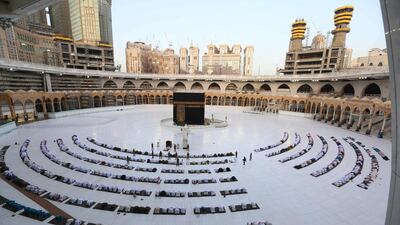
Worshippers gather before the Kaaba at the Grand Mosque in the holy city of Makkah on May 24. AFP -

The gates of Al Rajhi Grand Mosque, the largest in the Saudi capital Riyadh, are closed for worshippers on the first day of Eid. AFP -
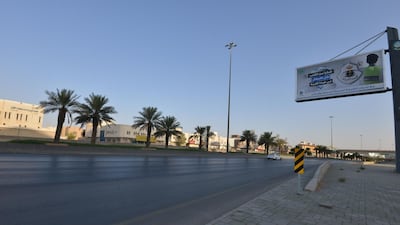
An empty main road in the Saudi capital Riyadh, early on the first day of Eid. AFP -
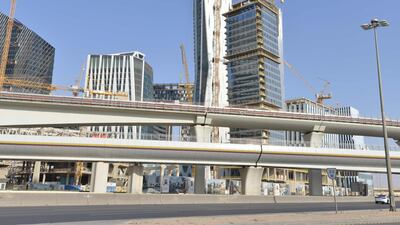
An empty main road in the Saudi capital Riyadh, early on the first day of Eid. AFP -
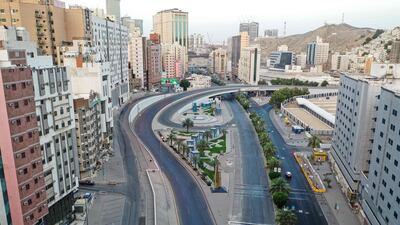
The early hours of Eid Al Fitr in Makkah. AFP -
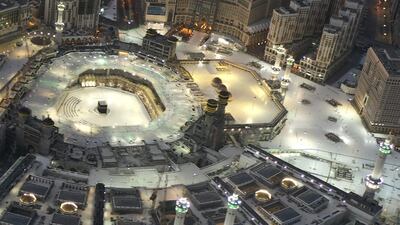
An aerial view of the Grand Mosque and Kaaba in the holy city of Makkah on May 24. AFP -
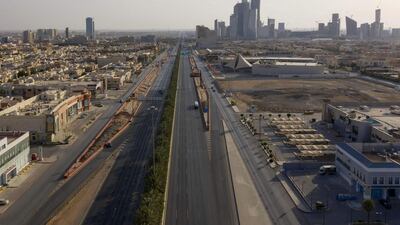
A deserted motorway in the Saudi capital Riyadh, on May 24, 2020. AFP -
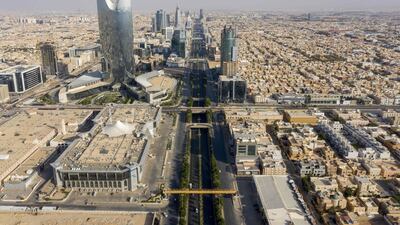
Kingdom tower and the King Fahad road, which remains empty because of the Covid-19 pandemic, on the first day of the Eid in the Saudi capital Riyadh. AFP


Saudi Arabia’s minister of health said that from Thursday, the kingdom would enter the next phase of its strategy to deal with the Covid-19 pandemic and would begin easing lockdown measures.
Dr Tawfiq Al Rabiah said on Monday that the strategy would expand mass testing for early access to infections and look at hospital capacity for critical care.
“We move from one stage to another based on a careful health assessment, which gives us space to adjust the strategy and review the course whenever the need arises,” Dr Al Rabiah said.
He stressed that returning to normal "requires a high degree of responsibility and attention on the part of all us, and the need to follow health guidelines".
“The early measures taken by the kingdom helped us take control of the pandemic,” Dr Al Rabiah said.
“People have shown a tremendous sense of responsibility in practising social distancing."
He said people should cover their noses and mouths when they left the house.
Dr Al Rabiah said people’s commitment to stringent social distancing had a major effect on reducing the country’s mortality rate from Covid-19, which he said was one of the lowest in the world.
He praised Saudi scientists who helped to contain the virus.
Saudi Arabia has recorded almost 75,000 infections, the most in the GCC, and 399 deaths.
From Sunday, free movement will be allowed between 6 am and 8pm, the Saudi Press Agency reported. Domestic flights will be allowed to resume, but a ban on international flights will stay.
Mosques can hold prayers once again, subject to social distancing and hygiene measures, except for in Makkah where restrictions on attendance will stay in place.
Public and private sector employees will be allowed to return to their offices.
Social gatherings of more than 50 people will still be banned, including weddings and funerals.
Citizens will still be urged to wear masks in public and continue hygiene and social distancing measures after June 21.

