Old Delhi's last calligrapher - in pictures
-

Mohammad ‘Katib’ Ghalib, 60, is the last known calligrapher working in the old quarter of Delhi, India's capital, an area that was once a flourishing centre for the art form. All photos: Taniya Dutta for The National -
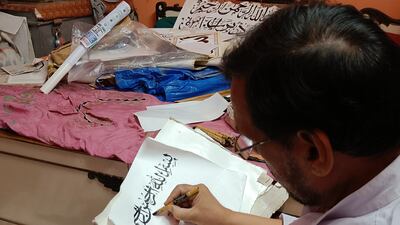
Mr Ghalib works from a corner of a bookshop facing the Jama Masjid, a mosque in Old Delhi. -
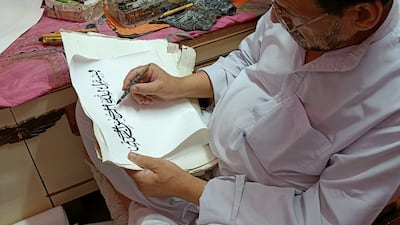
The calligrapher keeps his wooden dip pens, a set of inks and a small box containing other tools next to him as he works. -

The work is painstaking and keeps Mr Ghalib occupied for hours even though the demand for calligraphy has dropped. -
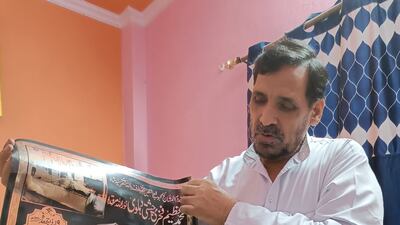
Mr Ghalib displays a poster he worked on. Other jobs regularly given to calligraphers in the past included writing script for newspapers, magazines and books. -
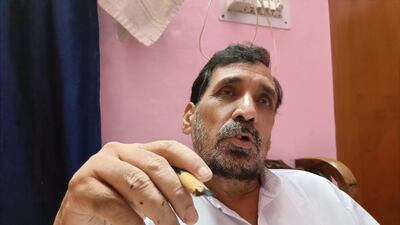
Mr Ghalib says many calligraphers gave up after computer publishing technology reduced demand for their work. -

A poster Mr Ghalib worked on. -
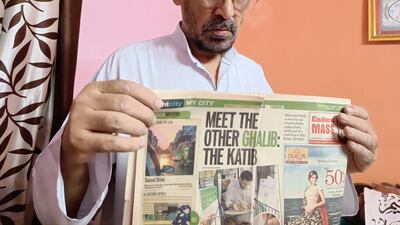
As the last remaining katib, Mr Ghalib is widely known in and around Delhi and even gets clients from faraway states and other countries. -

Mr Ghalib says a challenge to keeping his art alive is the unavailability of tools and pens, because the companies that made them have closed. -

Mr Ghalib feels the future is bleak because of the lack of economic incentives and the gradual decline of Urdu — the preferred language for India's calligraphers.


Most popular today

