Sri Lanka crisis – in pictures
-
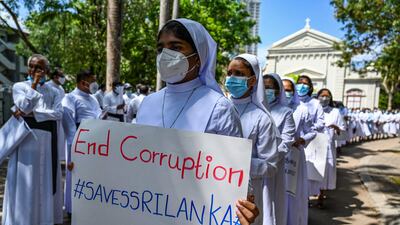
Catholic priests and sisters hold placards during a demonstration against the economic crisis in Colombo, the capital of Sri Lanka. All photos: AFP -
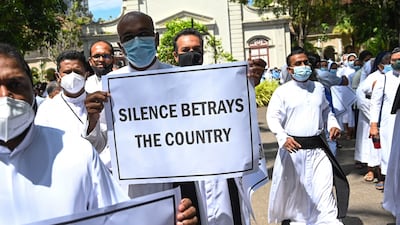
Catholic priests and sisters hold placards during a demonstration against the economic crisis in Colombo. -

Protesters lash out after a surge of prices and a shortage of fuel and other essential commodities outside the president's office in Colombo. -
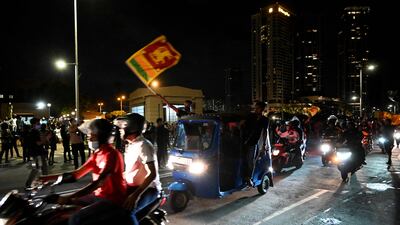
All 26 Cabinet ministers resigned after thousands defied a national state of emergency and curfew, and joined street protests denouncing the government. -
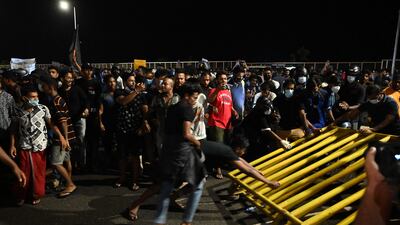
The curfew has been lifted but the president and his elder brother Prime Minister Mahinda Rajapaksa continue to hold on to power. -

Sri Lankans have endured long queues to buy fuel, cooking gas, foods and medicine, most of which come from abroad and are paid for in hard currency. -
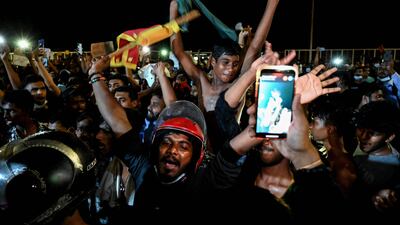
The fuel shortage has caused rolling power cuts lasting several hours a day. -
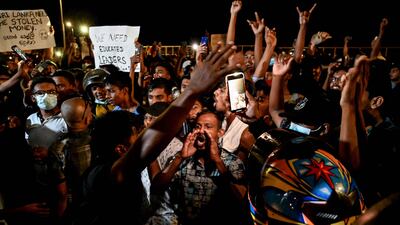
The extent of the crisis became clear when Sri Lanka could not pay for imports of basic supplies because of its mounting debts and dwindling foreign reserves. -
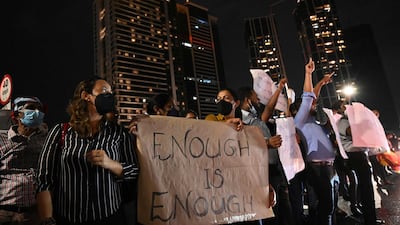
Sri Lanka’s usable foreign reserves reportedly amount to be less than $400 million, yet it is saddled with about $7 billion in foreign debt obligations for this year. -
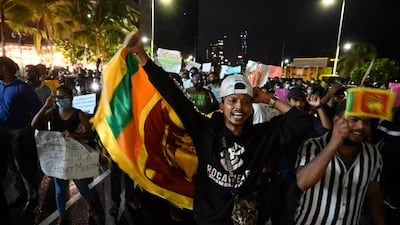
Police used water cannon to disperse angry protesters who marched toward the Rajapaksa family home in southern Sri Lanka, demanding that they quit. -
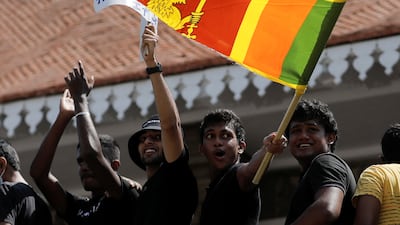
The president had appealed to people to limit their use of power and ‘extend their support to the country’ but the crisis has intensified since the main opposition party rejected his call to form a unity government. Reuters


Most popular today

