Sierra Leone's Tombo fishing community - in pictures
-
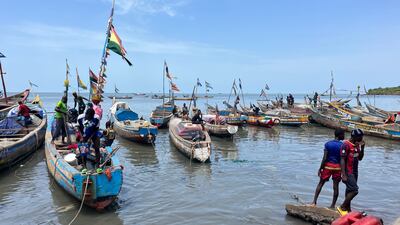
With increased competition in the fishing community of Tombo, Sierra Leone, the amount of fish available for catch appears to be declining. Nick Webster / The National -
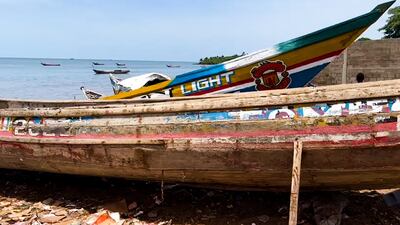
In the football-loving West African nation, the fishing boats are often adorned with the badge of the captain’s favourite team, in this case Manchester United. Andy Scott / The National -
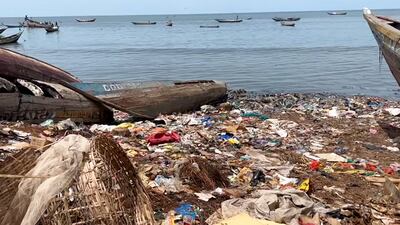
Refuse collection services are poor in the nearby capital Freetown and rubbish washes up on to the beaches of Tombo. Andy Scott / The National -
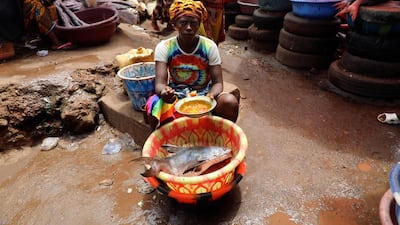
A Tombo market trader prepares a marinade for fish caught in the morning’s haul to sell at her restaurant. Andy Scott / The National -
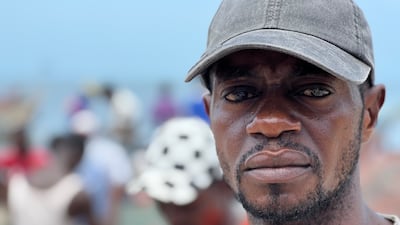
Suliaman Kamara has been fishing for 20 years along the coastline of Tombo. Andy Scott / The National -
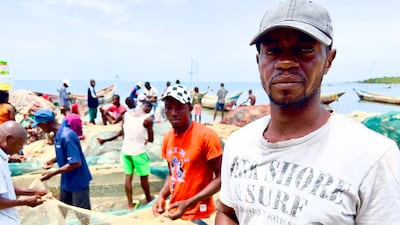
Mr Kamara in the coastal town on the outskirts of Freetown, where the livelihoods of fisherman are at risk. Andy Scott / The National -
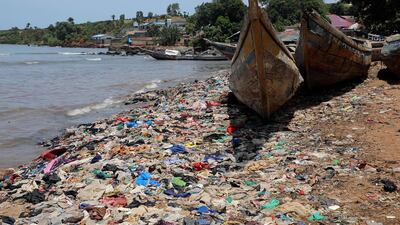
Plastic and discarded fishing nets from huge industrial trawlers have become the scourge of fisherman, damaging ecosystems and fish stocks. Andy Scott / The National -
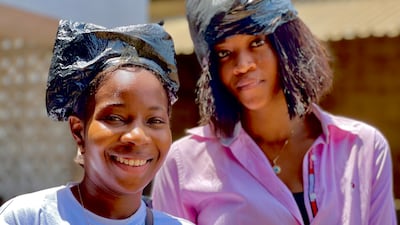
Margaret Daboh and Modu Nyamawa, two visitors to Tombo, are told to cover their heads by the largely Muslim population of fishermen, otherwise they fear it will bring them bad luck when they are at sea. Andy Scott / The National -
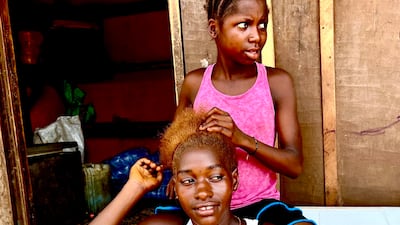
Two young women who live in Tombo's fishing community. Andy Scott / The National -
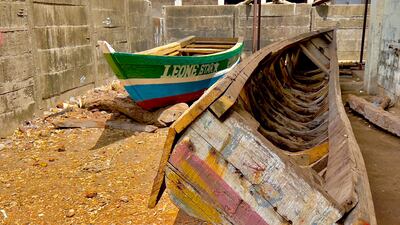
It costs about $500 to build a fishing boat from hardwood trees felled from the western peninsula of Sierra Leone’s coastal region. Andy Scott / The National -
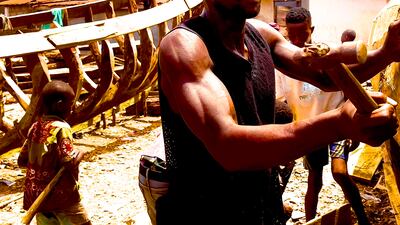
Children help to gather boat building materials, to be put together by their fathers and uncles. Andy Scott / The National -
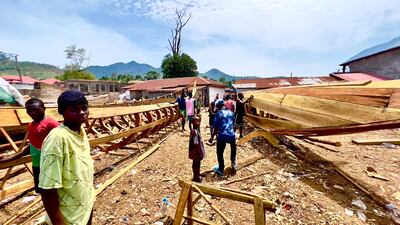
It can take up to six weeks to build a boat from scratch. Most last around a decade. Andy Scott / The National -
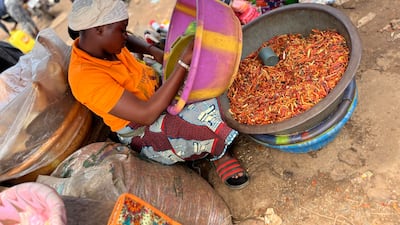
Spices, fruit, vegetables and clothes are sold from stalls in Tombo market. Nick Webster / The National -

Families live together in ramshackle huts close to the shoreline made from wood and corrugated metal. Andy Scott / The National -
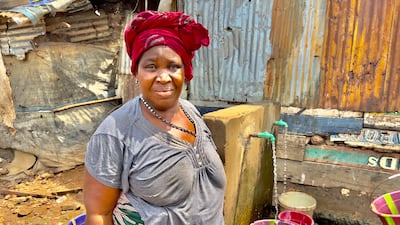
Mothers, sisters and wives wait anxiously for the fishermen to return from sea. Often, the catch is a fraction of the size caught a few years ago. Andy Scott / The National -
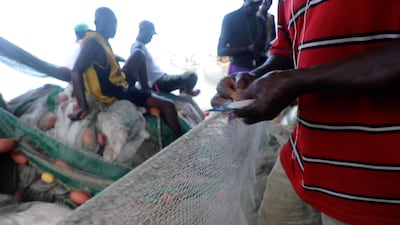
Fishing nets are expensive and time-consuming to make. The entire community lends a hand to ensure the fisherman have the best chance of bringing home a valuable catch. Andy Scott / The National -
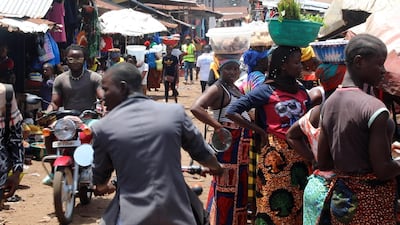
The bustling town of Tombo prepares for another busy day. Andy Scott / The National -
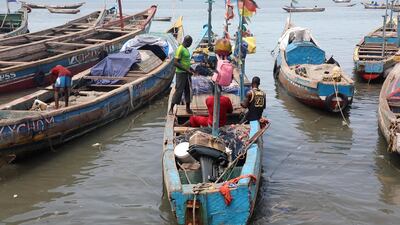
About 100 fishing boats go to sea from the village. Andy Scott / The National -
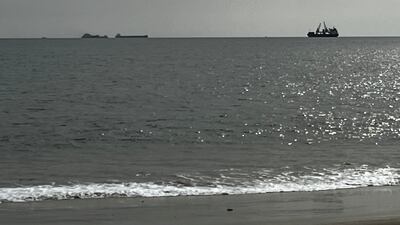
The fishermen blame industrial fishing tankers from China and Korea, often trawling miles out at sea, for reduced fish stocks in Sierra Leone. Nick Webster / The National -
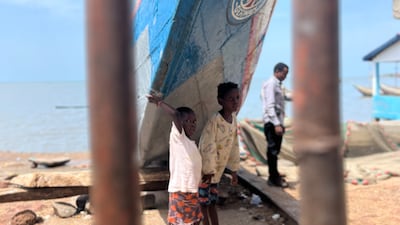
Another boat adorned in the colours of the skipper’s favourite team - this time Paris St Germain. Nick Webster / The National -
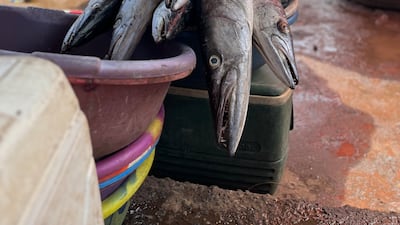
Fresh barracuda caught hours earlier are prepared for sale at Tombo market. Nick Webster / The National -
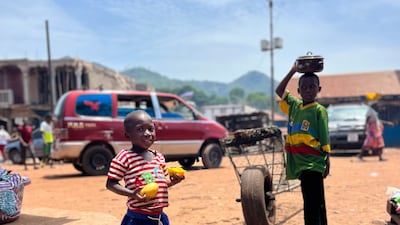
Mangoes are not in short supply in this corner of West Africa, as this young boy tucks into the rich fruit. Nick Webster / The National -
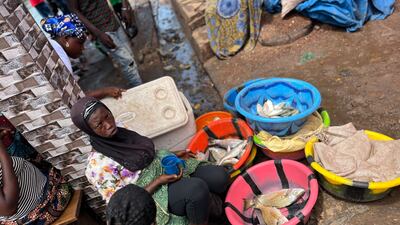
Fish may be becoming harder to come by, but this woman still has enough to sell in the morning sun. Nick Webster / The National -
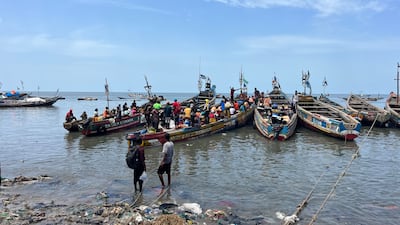
Fishing boats set off at first light and return hours later, their crews untangling and repairing the nets ready for the following morning. Nick Webster / The National -
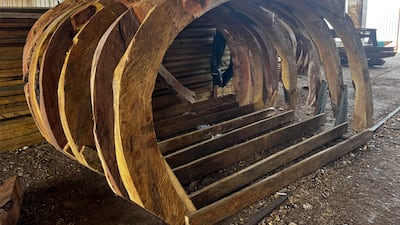
The boathouse where hulls of fishing vessels begin life. Nick Webster / The National -
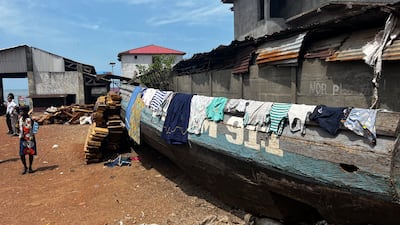
Washing drying on a damaged fishing boat. Nick Webster / The National -
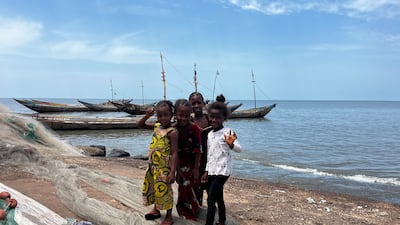
These girls may be too young to join the community’s fishing boats, but they help by untangling and repairing snagged nets. Nick Webster / The National -
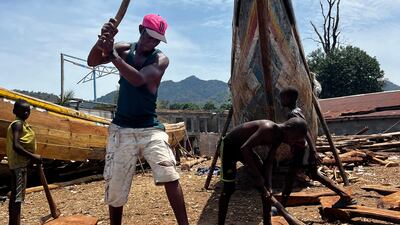
A father and son building a boat. Nick Webster / The National -
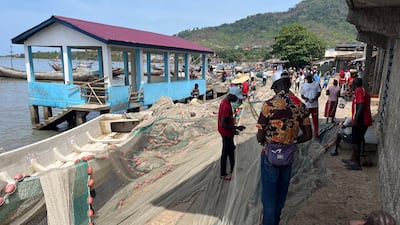
The painstaking work of repairing damaged nets. Nick Webster / The National -

Children wait to see what has been brought in by the fishermen. Nick Webster / The National


Most popular today

