Muslims leaving for Hajj 2022 – in pictures
-
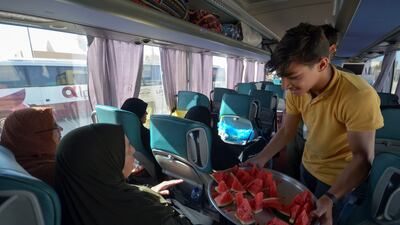
Volunteer Abdulrahman al Maani distributes watermelon slices to Hajj pilgrims leaving for Makkah, in Maan, Jordan. Reuters -
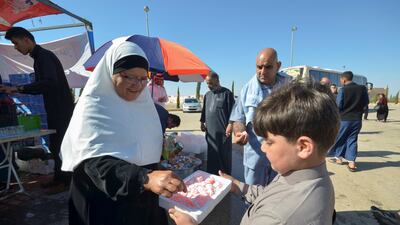
A boy offers sweets to Hajj pilgrims leaving for Makkah, in Maan, Jordan. Reuters -
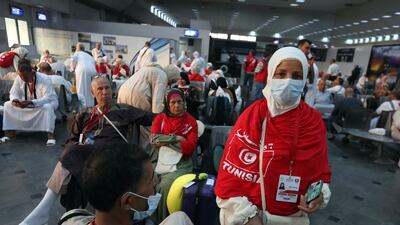
Tunisian Muslims travel to participate in Hajj in Makkah. EPA -
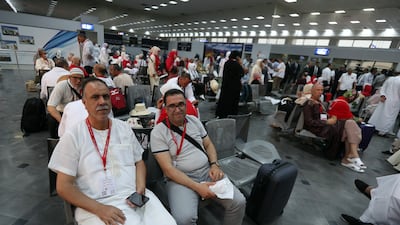
This year’s quota for Tunisians for the pilgrimage is 4,792, the country’s Minister of Religious Affairs Ibrahim Chaibi said. EPA -

Tunisian President Kais Saied greets some of those heading for Makkah. EPA -
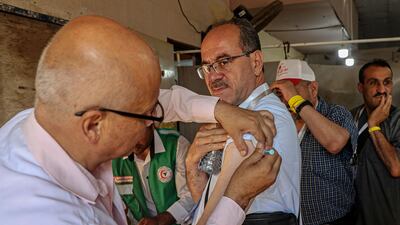
A Palestinian Muslim pilgrim receives a Covid-19 vaccine dose at the Rafah border crossing with Egypt as they head to Saudi Arabia for the annual Hajj pilgrimage. AFP -
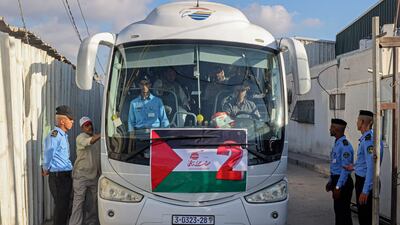
A bus carrying Palestinian Muslim pilgrims arrives at the Rafah border crossing. The Hajj is the largest annual pilgrimage in the world. AFP -

The Hajj pilgrimage is an Islamic religious duty that must be carried out at least once in the lifetime by every able-bodied Muslim who can afford to do so. AFP -

Millions of Muslims travel every year to Saudi Arabia to participate in the Hajj, although this was not the case over the past two years due to the coronavirus pandemic. AFP -
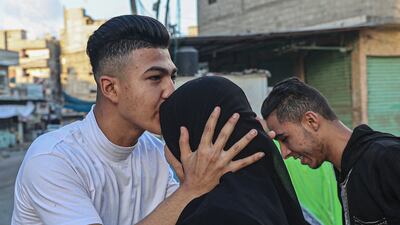
This pilgrim receives best wishes from her loved one before embarking on the journey to Makkah. AFP -
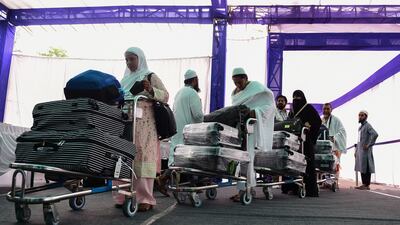
Muslims devotees bound to Makkah for the Hajj pilgrimage arrive at the airport in Ahmedabad, India. AFP -
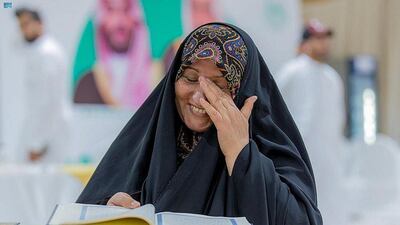
An Iraqi pilgrim at Jdeidet Arar port in northern Saudi Arabia. The port provides services to those performing Hajj. SPA -
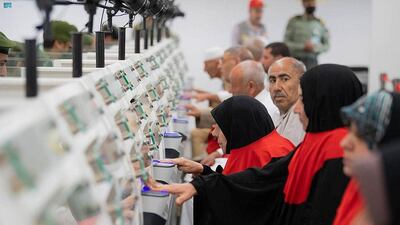
Members of the third group of Iraqi pilgrims arrive at the port. SPA -
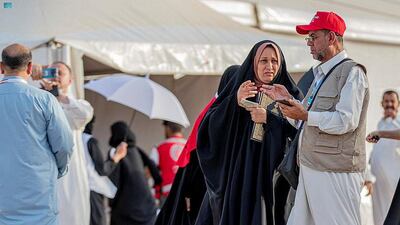
More than 4,000 pilgrims from Iraq have passed through the port. SPA -
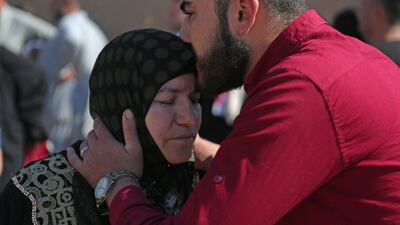
A Syrian pilgrim prepares to board a bus at the Bab Al Hawa border crossing with Turkey. AFP -
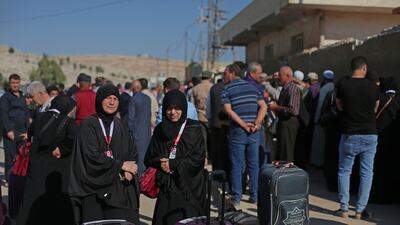
Syrians gather at the border crossing as they prepare to travel to Makkah. AFP -

All Muslims who are able to must perform Hajj during their lives. AFP -
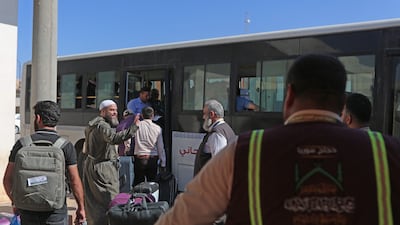
Hajj pilgrims begin their journey from the Bab Al Hawa crossing to Saudi Arabia. AFP -

More than 10,000 Syrians will perform the pilgrimage this year. AFP


Most popular today

