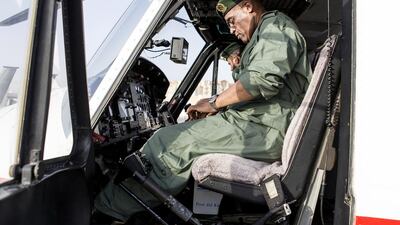
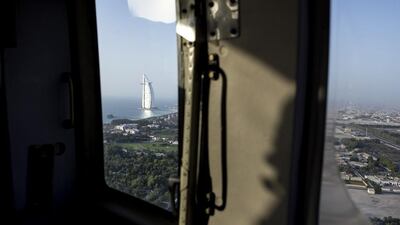
• Brig Pilot Anas Al Matroushi, director of the Transport and Rescue Department, inside Dubai Police’s patrol helicopter.
    Brig Pilot Anas Al Matroushi, director of the Transport and Rescue Department, inside Dubai Police’s patrol helicopter.
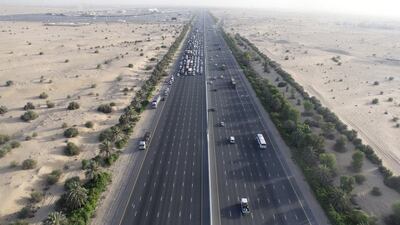
  • Police on the ground hold up traffic so the Dubai Police helicopter can land on Sheikh Mohammed bin Zayed Road.
    Police on the ground hold up traffic so the Dubai Police helicopter can land on Sheikh Mohammed bin Zayed Road.
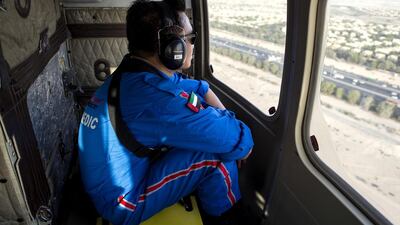
  • Paramedic Marcel Rita keeps an eye out for any accident. Of the 252 missions carried out, 27 involved taking seriously injured people to hospital.
    Paramedic Marcel Rita keeps an eye out for any accident. Of the 252 missions carried out, 27 involved taking seriously injured people to hospital.
  • The air wing was called into action more than 250 times in the first quarter of this year.
    The air wing was called into action more than 250 times in the first quarter of this year.
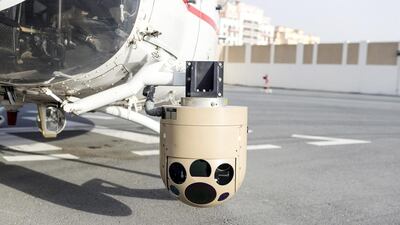
  • Air wing helicopters have cameras that provide the police operations room with a live feed, which helps with decision-making in emergency situations.
    Air wing helicopters have cameras that provide the police operations room with a live feed, which helps with decision-making in emergency situations.
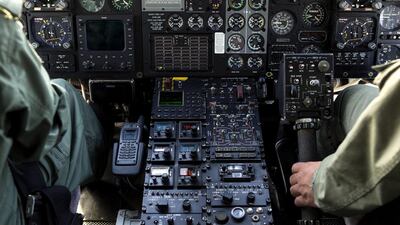
  • The controls inside Dubai Police’s patrol helicopter.
    The controls inside Dubai Police’s patrol helicopter.
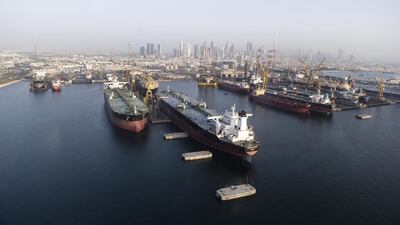
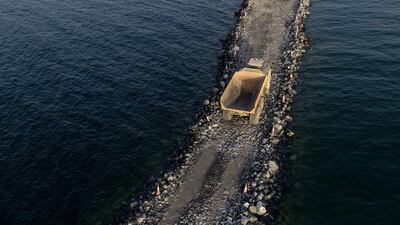
  • Dubai Dry Docks.
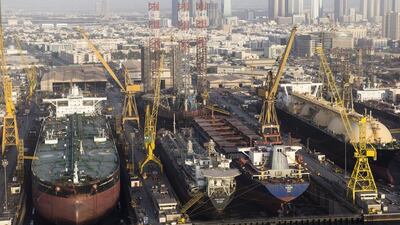
    Dubai Dry Docks.
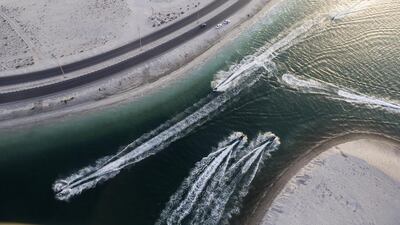
  • Jet skiers at Al Mamzar beach.
    Jet skiers at Al Mamzar beach.
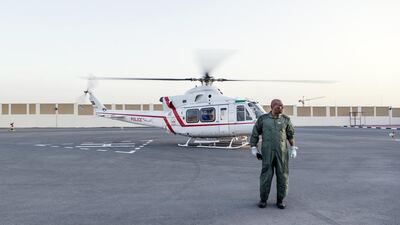
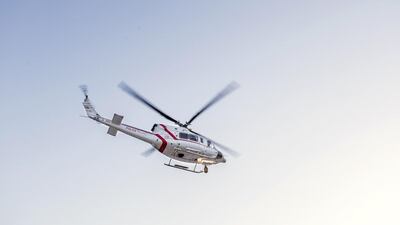
  • The Dubai Police helicopter.
    The Dubai Police helicopter.
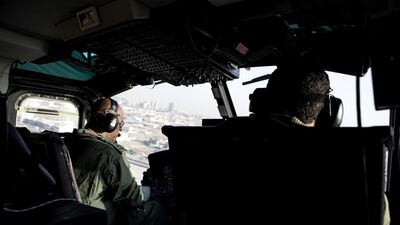
  • Brig pilot Anas Al Matroushi, left, and Major Ahmed Al Shehhi scan Dubai streets.
    Brig pilot Anas Al Matroushi, left, and Major Ahmed Al Shehhi scan Dubai streets.
  • Construction on Jumeirah Beach.
    Construction on Jumeirah Beach.
  • Seven of those cases involved crashes on Sheikh Zayed Road and six were on Mohammed bin Zayed Road, making them the most high-risk motorways in Dubai.
    Seven of those cases involved crashes on Sheikh Zayed Road and six were on Mohammed bin Zayed Road, making them the most high-risk motorways in Dubai.
  • The air wing’s goal is to reach the scene of an incident 40km away within 15 minutes, or 30 minutes if it is more than 40km
    The air wing’s goal is to reach the scene of an incident 40km away within 15 minutes, or 30 minutes if it is more than 40km
  • Dubai Dry Docks.
    Dubai Dry Docks.
  • Also in the first quarter, 17 search and rescue missions were conducted.
    Also in the first quarter, 17 search and rescue missions were conducted.

A ride with Dubai’s eyes and ears in the sky — in pictures


  • English
  • Arabic

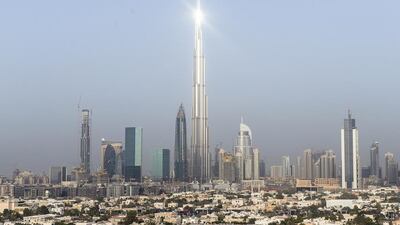
The National took a ride with Dubai Police's air wing to get insight into their daily routine. All photos by Reem Mohammed / The National

Ten tax points to be aware of in 2026

1. Domestic VAT refund amendments: request your refund within five years

If a business does not apply for the refund on time, they lose their credit.

2. E-invoicing in the UAE

Businesses should continue preparing for the implementation of e-invoicing in the UAE, with 2026 a preparation and transition period ahead of phased mandatory adoption. 

3. More tax audits

Tax authorities are increasingly using data already available across multiple filings to identify audit risks. 

4. More beneficial VAT and excise tax penalty regime

Tax disputes are expected to become more frequent and more structured, with clearer administrative objection and appeal processes. The UAE has adopted a new penalty regime for VAT and excise disputes, which now mirrors the penalty regime for corporate tax.

5. Greater emphasis on statutory audit

There is a greater need for the accuracy of financial statements. The International Financial Reporting Standards standards need to be strictly adhered to and, as a result, the quality of the audits will need to increase.

6. Further transfer pricing enforcement

Transfer pricing enforcement, which refers to the practice of establishing prices for internal transactions between related entities, is expected to broaden in scope. The UAE will shortly open the possibility to negotiate advance pricing agreements, or essentially rulings for transfer pricing purposes. 

7. Limited time periods for audits

Recent amendments also introduce a default five-year limitation period for tax audits and assessments, subject to specific statutory exceptions. While the standard audit and assessment period is five years, this may be extended to up to 15 years in cases involving fraud or tax evasion. 

8. Pillar 2 implementation 

Many multinational groups will begin to feel the practical effect of the Domestic Minimum Top-Up Tax (DMTT), the UAE's implementation of the OECD’s global minimum tax under Pillar 2. While the rules apply for financial years starting on or after January 1, 2025, it is 2026 that marks the transition to an operational phase.

9. Reduced compliance obligations for imported goods and services

Businesses that apply the reverse-charge mechanism for VAT purposes in the UAE may benefit from reduced compliance obligations. 

10. Substance and CbC reporting focus

Tax authorities are expected to continue strengthening the enforcement of economic substance and Country-by-Country (CbC) reporting frameworks. In the UAE, these regimes are increasingly being used as risk-assessment tools, providing tax authorities with a comprehensive view of multinational groups’ global footprints and enabling them to assess whether profits are aligned with real economic activity. 

Contributed by Thomas Vanhee and Hend Rashwan, Aurifer