



Eating more ultra-processed foods may increase a person’s risk of developing cancer, according to a comprehensive study of the association between the two.
The new research found that ultra-processed foods, which include fizzy drinks, mass-produced packaged breads, many ready meals and most breakfast cereals, were linked to higher rates of cancer.
Rates of ovarian and brain cancers, in particular, were higher among those who consumed ultra-processed foods, which account for about half the calorie intake in some developed nations.
Imperial College’s School of Public Health
Led by scientists at Imperial College London and involving participants in the UK, the study looked at outcomes for nearly 200,000 people.
Dr Eszter Vamos, clinical senior lecturer, Imperial College London's School of Public Health ― the lead author of the study ― said the research "adds to the growing evidence" that ultra-processed foods are likely to "negatively impact our health, including our risk for cancer".
“Although our study cannot prove causation, other available evidence shows that reducing ultra-processed foods in our diet could provide important health benefits," she added.
Ultra-processed foods, being cheap and convenient, have become more popular in much of the world and may even be marketed as healthy, natural or organic, according to the Heart and Stroke Foundation of Canada, which was not linked to the study.
While often appealing because of their taste and convenience, ultra-processed foods are often high in salt, sugar, fat, preservatives and colourings.
Other types include chocolate, ice cream, packaged soups, chicken nuggets, hot dogs, sausages, chips and fruit-flavoured yoghurts.
Increased risks
In the UK, more than half a person’s calories on average each day comes from ultra-processed foods, while in Canada they account for nearly half.
The new study, published in eClinicalMedicine, which is linked to The Lancet medical journal, looked at the diets of 197,426 middle-aged people and found that during a period of about 10 years, 15,921 were diagnosed with cancer and 4,009 died from the disease. In total, 34 types of cancer were analysed.
Every 10 percentage point increase in the consumption of ultra-processed foods was linked to a 2 per cent increase in the risk of developing cancer overall. For ovarian cancer, the increase was 19 per cent.
There was a 6 per cent greater likelihood of actually dying from cancer for every 10 percentage point increase in ultra-processed food consumption. For ovarian cancer, the increase in the chance of dying was 30 per cent, while for breast cancer it was 16 per cent.
-
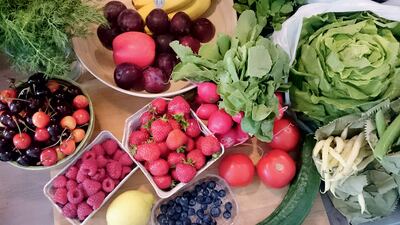
People who have diabetes should eat plenty of fresh vegetables and avoid fried and sugary foods. -

Tuna is rich in omega-3 fatty acids and helps to manage diabetes because it can lower inflammation and improve blood sugar control. Silvia Razgova / The National -
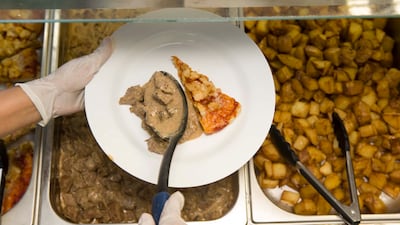
Replacing processed foods with fresh, home-cooked meals brings many health benefits. Antonie Robertson / The National -
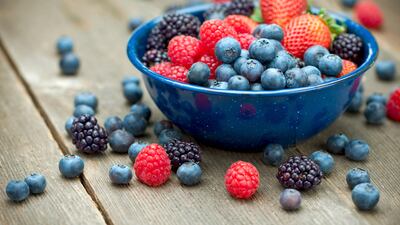
Berries are beneficial for people with diabetes because they are packed with antioxidants and fibre. iStockphoto -
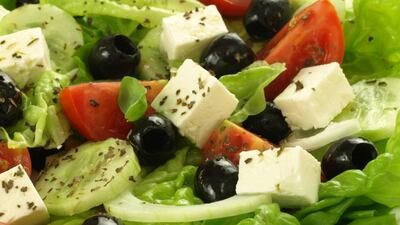
Greek salads made with lettuce, onions, tomatoes and cucumbers are low in calories, high in nutrients and help regulate blood sugar levels. -
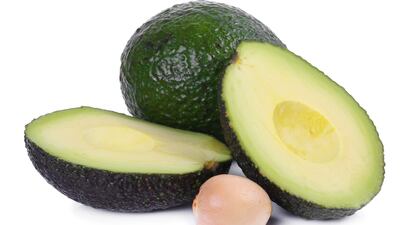
The good fats in avocados can help you prevent diabetes complications, such as heart attacks and strokes, and help your body to use insulin more effectively. -
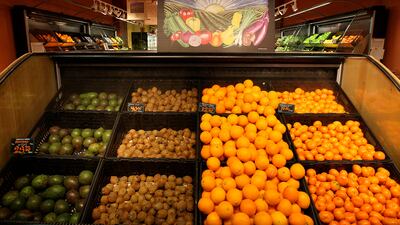
Citrus fruits can lower blood sugar levels. Pawan Singh / The National -

Walnuts can be a good snack for people with type-2 diabetes. They may help to prevent heart disease, control blood sugar levels and aid weight loss.


Even after the researchers adjusted for other factors that may influence a person’s risk of developing cancer, such as their socio-economic status and their behaviour, including whether they smoked and how much physical activity they engaged in, the link to ultra-processed food consumption remained.
The Heart and Stroke Foundation of Canada recommends that people cut down on ultra-processed foods by, for example, cooking more often, dining with friends and family (as this often involves eating more vegetables and drinking fewer soft drinks) and being "wary of deceptive food marketing" that may highlight natural ingredients even if food, such as a biscuit, is highly processed.
"Eating fresh, unprocessed, whole food will do a lot of good for your body ― including reducing your risk for high blood pressure, heart disease, Type 2 diabetes and stroke," the organisation said.
Obesity and Type 2 diabetes links
The Imperial College scientists and their co-researchers also found an association between consuming ultra-processed foods and an increased risk of developing obesity and Type 2 diabetes, both of which are major problems in the UAE.
Other organisations involved in the research include the International Agency for Research on Cancer, the University of Sao Paulo and Nova University Lisbon.
The study’s first author, Kiara Chang, a research fellow at Imperial College’s School of Public Health, described the daily energy intake in the UK of ultra-processed foods as "exceptionally high and concerning" because they "are produced with industrially derived ingredients and often use food additives to adjust colour, flavour, consistency, texture, or extend shelf life".
"Our bodies may not react the same way to these ultra-processed ingredients and additives as they do to fresh and nutritious minimally processed foods," Dr Chang said.
"However, ultra-processed foods are everywhere and highly marketed, with cheap prices and attractive packaging to promote consumption."
Dr Chang suggested that clear warning labels on the front of ultra-processed food packaging should be mandatory so that consumers knew what they were buying, adding that a sugar tax on unhealthy drinks was also needed.
The UAE has made efforts to reduce the consumption of sugar-sweetened drinks, such as by introducing a 50 per cent purchase tax in 2019 because of concerns about high rates of obesity and diabetes.

