



Doctors have given a warning about the dangers of fad diets, after it was revealed that Australian cricket great Shane Warne had completed a two-week juice cleanse before his death.
The sportsman died at the age of 52 of a suspected heart attack in Thailand, though it is not yet clear whether his apparent drastic diet was a cause.
Police said that he was experiencing chest pains days before his death and was suffering from asthma and heart issues.
Just days before his death, the former bowler shared an old picture of himself without a shirt on Instagram and revealed he has working hard to get back in similar shape under what he dubbed “operation shred".
Warne’s manager James Erksine spoke about the cricketer’s “ridiculous” juice diet during an interview with Australia’s Weekend Today on Sunday.
“He did go on these ridiculous sorts of diets and he just finished one, where he basically only ate fluids for 14 days and he’d done this three or four times,” Mr Erksine said.
“It was a bit all or nothing. It was either white buns with butter and lasagne stuffed in the middle or he would be having black and green juices.”
-
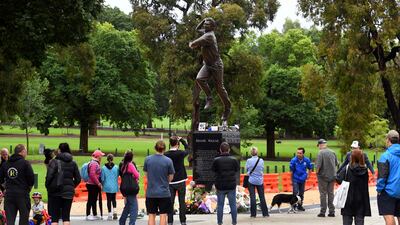
People pay their respects at a statue of former Australian cricket great Shane Warne outside the Melbourne Cricket Ground. AFP -

A man and his dog view the statue of cricket legend Shane Warne surrounded by flowers outside the Melbourne Cricket Ground. AP -
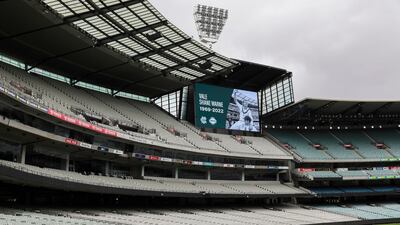
A tribute to cricket legend Shane Warne is displayed on the big screens at the Melbourne Cricket Ground. AP -

Fans pause at the statue of cricket legend Shane Warne outside the Melbourne Cricket Ground. AP -

People pay their respects at a statue of former Australian cricket great Shane Warne outside the Melbourne Cricket Ground. AFP -
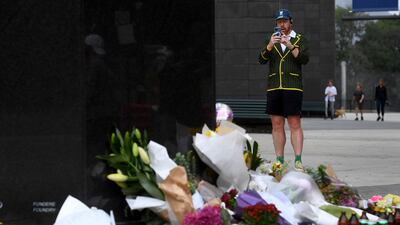
People pay their respects at a statue of former Australian cricket great Shane Warne outside the Melbourne Cricket Ground. AFP -

People pay their respects at a statue of former Australian cricket great Shane Warne outside the Melbourne Cricket Ground. AFP


Yasmine Haddad, a licensed clinical dietitian at Dubai’s myPediaclinic, warned people that fad diets could be dangerous.
“A fad diet is an impractical way of losing weight where people tend to deprive their bodies from basic macronutrients and energy for the aim of losing a big amount of weight in the shortest time possible,” she said.
“Even though these diets do make you lose weight, the weight loss is drastic, which may have a negative health impact and can never be maintained.”
Dr Faaraz Zaveri, a specialist cardiologist at Dubai’s Prime Medical Centre in Al Barsha, said that liquid diets affect metabolism, including how your body handles fluids and salts.
He said that liquid and extremely-low calorie diets can prevent the organs from getting proper nourishment and oxygen.
This causes organs to gradually lose capacity to pump and can lead to fluid retention, which causes tiredness and shortness of breath, ultimately leading to congestive heart failure.
“Because of excess or deficiency of fluids, hypokalaemia, hyperkalaemia or hypomagnesemia can develop, which in turn can lead to development of arrhythmia that can increase the risk of sudden cardiac arrest, stroke and heart attacks for those with and without cardiac issues,” he said.
“To be healthy, it’s best to adopt balanced eating habits and integrate physical activity into your everyday life.”
Dr Naveed Ahmed, a consultant interventional cardiologist at Aster Hospital, warned people that they should not be duped by advertisements that promote extreme diet plans.
“Most of the time people are following advertisements that falsely promote that this sort of diet will give them a good body or cleans all the diseases,” he said.
“Instead, the person should consult a doctor or a dietitian, who will create a proper plan for you.”
Warne, widely regarded as one of the best cricketers of all time, is to receive a state funeral in Australia.
His sudden death sparked a flood of tributes from fellow players, fans and celebrities around the world.

