


New Zealand will use its participation at Expo 2020 Dubai to "reconnect with the world", according to Prime Minister Jacinda Ardern.
New Zealand responded to the coronavirus pandemic with procedures that included border closures, compulsory quarantine for travellers, contact tracing and snap lockdowns.
As a result, New Zealand recorded about 2,000 confirmed cases and 26 deaths since last March, when the pandemic began.
In Auckland on Thursday, Ms Ardern said Expo 2020 represented a chance for New Zealand to re-establish its presence on the world stage.
"We're here to really kickstart New Zealand's presence and Expo 2020," Ms Ardern said at the launch event.
"This – in a post-Covid world – will be a chance for New Zealand to reconnect with the world."
New Zealand Trade Minister Damien O'Connor said the timing of Expo 2020 Dubai meant many New Zealanders would be vaccinated by October.
"We're aware of the danger of travelling internationally – but we expect by that time many would have had access to the vaccine,” he said.
New Zealand started its national campaign for the Pfizer-BioNTech vaccine last month and expects to have inoculated its entire population by the end of the year.
It initially ordered 1.5 million doses of the vaccine, enough to vaccinate 750,000 people, but recently announced plans to buy an additional 8.5 million doses, which are expected to reach the country in the second half of the year.
The country has a population of about 4.85 million people.
New Zealand at Expo – what to expect?
New Zealand announced in December that its pavilion, located in the Sustainability District of the Expo 2020 site, was 95 per cent complete. It is expected that the building, including its feature facade, will be completed in mid-2021.
The New Zealand Pavilion was designed by Jasmax architects to increase efficiency through its use of sustainable materials, including Abodo New Zealand eco-timber, which will be a striking aspect of the pavilion’s restaurant and venues.
The pavilion's facade will be a highlight of the structure. Made from Kaynemaile, a lightweight material made in New Zealand from recycled materials and is itself 100 per cent recyclable.
The New Zealand pavillion theme is kaitiakitanga, which refers to the care and connection between land and people.
It was inspired by waka taonga, which are receptacles made by Maori to safeguard items of considerable value.
Choreographer Parris Goebel was announced as the creative director for New Zealand's Expo 2020 entertainment and cultural programme.
It will feature a focus on youth and will reflect New Zealand’s Expo 2020 theme, which revolves around sustainability and stresses the importance of looking out for future generations.

The launch event in Auckland announced that Six60, one of the country's biggest bands, will play at Expo 2020 Dubai.
The band played to about 23,000 people in Christchurch's Hagley Park last month, which was the biggest audience in the world to attend a live concert since the pandemic began.
Six60 is the first to be unveiled as part of a hand-picked line-up of New Zealand talent, which will include singers, dancers and artists.
“Our entertainment and cultural programme, which is curated by Parris Goebel, includes a diverse range of New Zealand talent from dancers and singers to artists and cultural performers with a particular emphasis on those with Maori and Pasifika roots," said Clayton Kimpton, New Zealand’s commissioner-general to Expo 2020 Dubai.
"We’re working with some very new, up-and-coming young talent right through to the established groups like Six60 and we know visitors will be thoroughly entertained."
In pictures – Expo 2020 Dubai pavilions
-
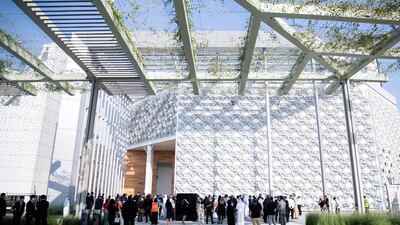
The US Pavilion at the Expo 2020 site. Reem Mohammed / The National -
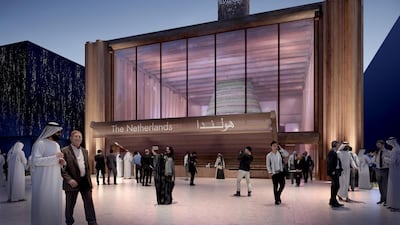
The Netherlands pavilion at Expo 2020 Dubai. Courtesy: V8 Architects -
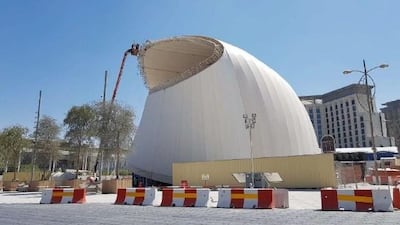
The Luxembourg pavilion, under construction at the Expo 2020 Dubai site. Courtesy: Luxembourg pavilion at Expo 2020 -
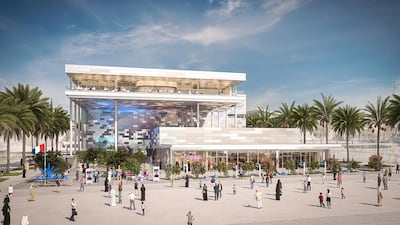
France's Expo pavilion. Courtesy: France Expo 2020 Dubai -
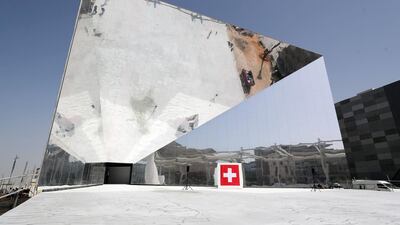
The Swiss pavilion for Expo 2020. Chris Whiteoak / The National -
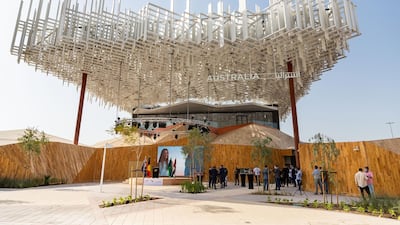
The Australian pavilion at Expo 2020 Dubai. Courtesy: Australian Pavilion at Expo 2020 Dubai -
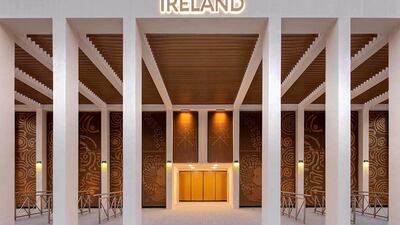
The Irish pavilion located in the Mobility District, near Jubilee Park. Courtesy: Embassy of Ireland -
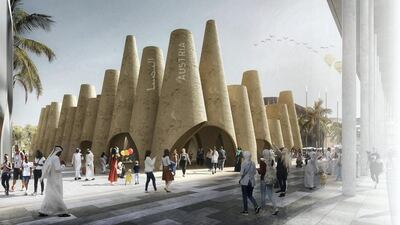
The Austrian Expo 2020 Pavilion. -
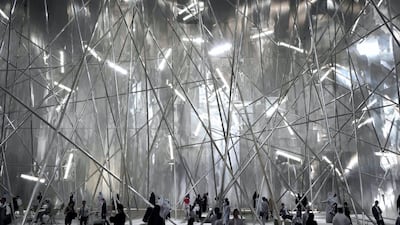
The Bahrain Expo 2020 Pavilion. -
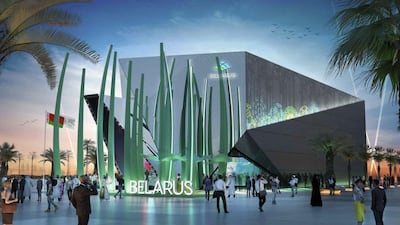
Belarus's Expo 2020 Pavilion. -
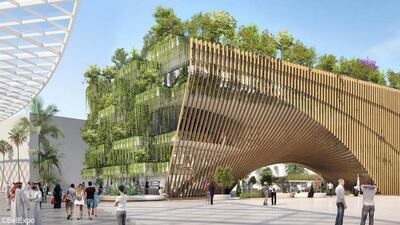
The Belgium Expo 2020 Pavilion. -
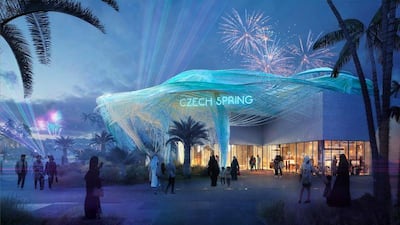
The Czech Republic Expo 2020 Pavilion. -
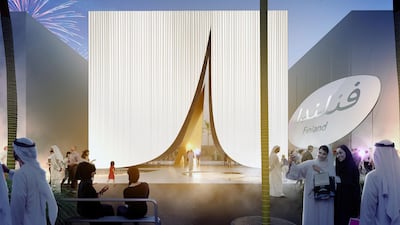
Finland's Expo 2020 Pavilion. -

France's Expo 2020 Pavilion. -
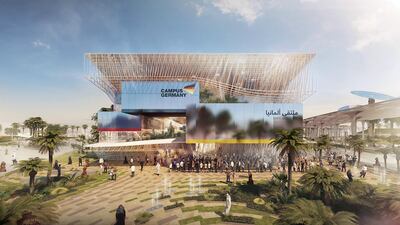
The German Expo 2020 Pavilion. -
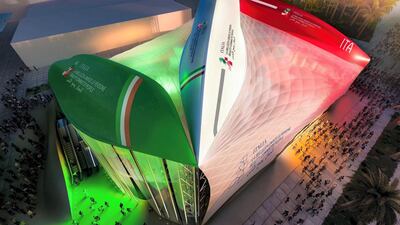
The Italian Expo 2020 Pavilion. -
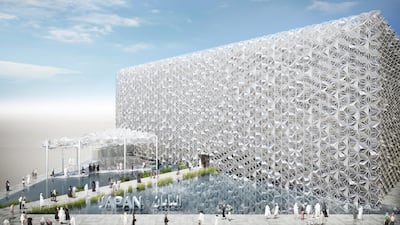
Japan's Expo 2020 Pavilion. -
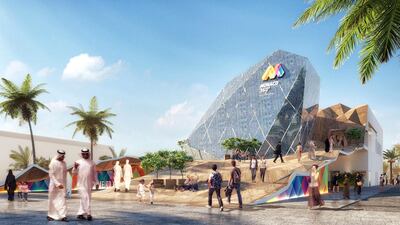
The Monaco Expo 2020 Pavilion. -
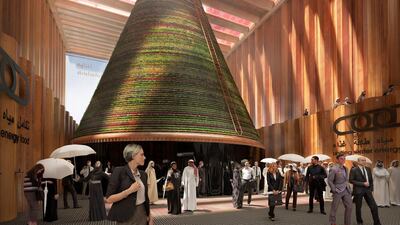
The Netherlands' Expo 2020 Pavilion. -
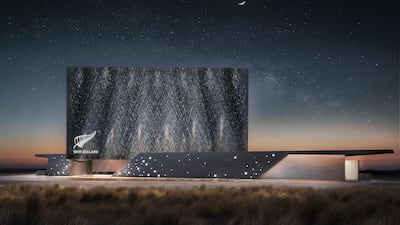
The New Zealand pavilion for Expo 2020. -
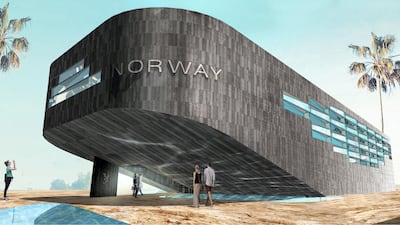
Norway's Expo 2020 Pavilion. -

The Omani Expo 2020 Pavilion. -
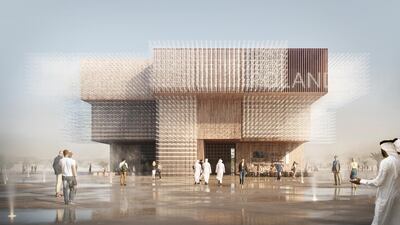
Poland's Expo 2020 Pavilion. -
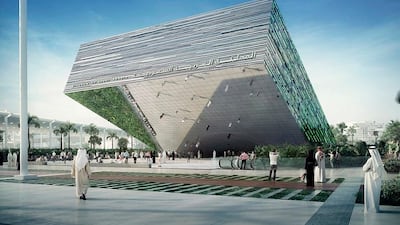
The Saudi Expo 2020 Pavilion. -
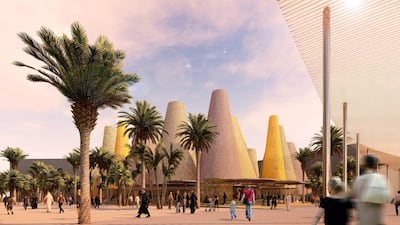
The Spanish Expo 2020 Pavilion. -
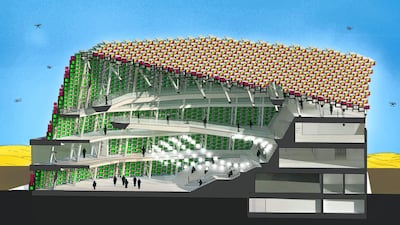
The South Korea Expo 2020 Pavilion. -
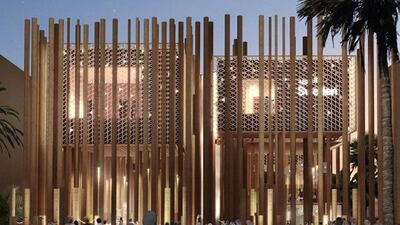
The Sweden Expo 2020 Pavilion. -
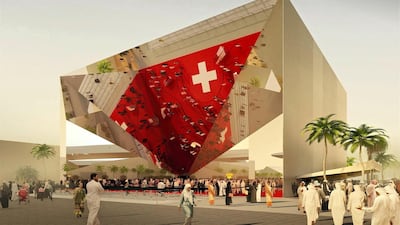
The Swiss Expo 2020 Pavilion. -
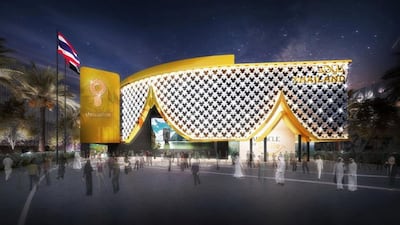
Thailand's Expo 2020 Pavilion. -

An artist's impression of the UAE pavilion. -
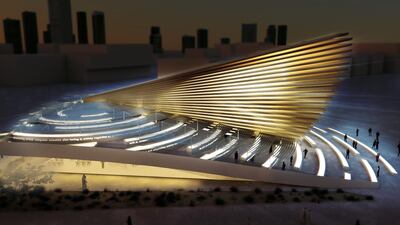
The UK pavilion at Expo 2020. -
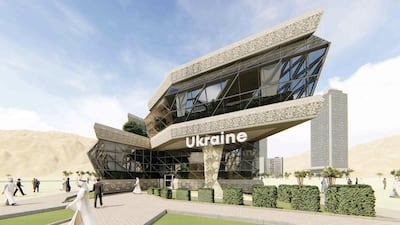
Ukraine's Expo 2020 Pavilion.



