

A third of the Arabian Gulf’s marine species could be wiped out by 2090 due to rising sea temperatures, according to researchers.
Oceans are heating up faster than previously predicted, and the shallow basin of the already warm Arabian Gulf makes it particularly vulnerable to the effects of climate change.
Scientists at the Climate Change Forum being staged at the seventh World Government Summit in Dubai explained how this could lead to the loss of 33 per cent of the sea’s biodiversity over the next 70 years.
The findings echo a previous warning by researchers behind a survey by the University of British Columbia, which reported a third of marine species could become extinct in the Arabian Gulf by 2090 because of rising water temperature, changing salinity and oxygen levels, and human activities such as overfishing.
Another recent study published in Biological Conservation revealed 8 per cent of marine bony fish in the Arabian Gulf are threatened, double that of the world average.
Experts attending a summit session hosted by the Ministry of Climate Change and Environment (MOCCAE), entitled "Climate Change and the Health of our Oceans", heard how oceans already suffering from habitat destruction, overfishing and pollution, now also face the spectre of climate change.
Dr M Sanjayan, chief executive of Conservation International, led the session, and warned humankind is "doomed" if oceans cannot be preserved.
"We are a terrestrial species, but unless we preserve the ocean, we are doomed," Dr Sanjayan said.
"International accords are calling for 10 per cent of coastal and marine areas to be conserved through systems of protected areas. However, the conservation community made a bigger call to protect 30 per cent of the ocean by 2030."
The panel discussed how plastic posed a particular threat
William McDonough, an advisor and expert in sustainable development, said the world's oceans are being "contaminated".
"We live on a water planet, with 70 per cent of the earth being covered with water. However, because of climate change, the atmosphere is contaminating the oceans with toxic carbon. Carbon from plastic is the most dangerous,” he said.
He pointed out that approximately 40 per cent of ocean plastics come from rivers, and 90 per cent of these plastics originate from only 10 rivers in the world.
“We are working now on mechanisms to collect waste at the mouths of those 10 rivers to cut it off before it hits the ocean,” said Mr McDonough.
The news comes just weeks after it was revealed that key fish species of the Arabian Gulf, including the hammour and sheri, are “severely overexploited” raising serious concerns over their long-term survival.
An expansive study by the Environment Agency – Abu Dhabi (EAD) revealed that more than 85 per cent of the sheri (rabbit fish) and hammour (grouper) populations have been wiped out.
The Fisheries Resources Assessment Survey collected data from 250 days at sea and more than 2,500 survey stations.
_____________
Marine life: The UAE's rare giant visitors
-
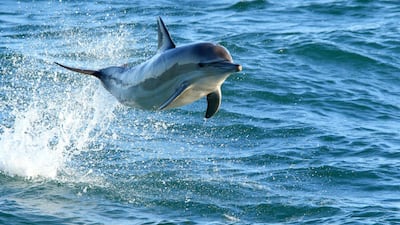
Long beaked common dolphin. -
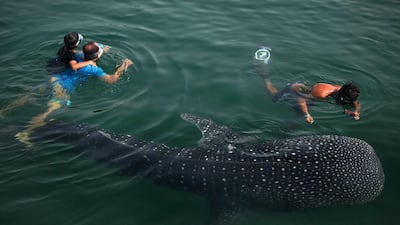
Whale sharks, like this one pictured in Al Bateen, Abu Dhabi, are regular marine giants that visit the UAE. Delores Johnson / The National -
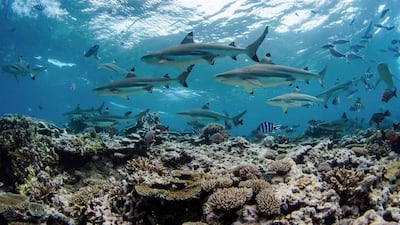
Blacktip reef sharks were seen off Fujairah in 2018. -
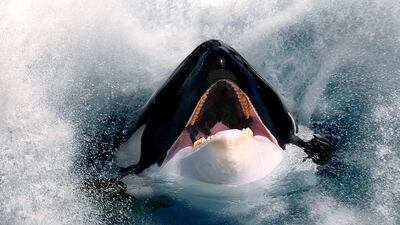
Orcas, commonly known as killer whales, were spotted in 2015. -
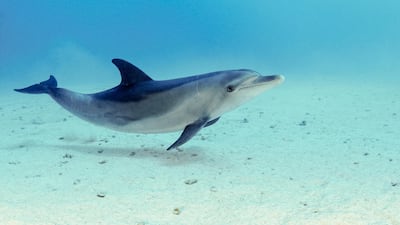
The Indo-Pacific bottlenose dolphin is a regular in UAE waters. -
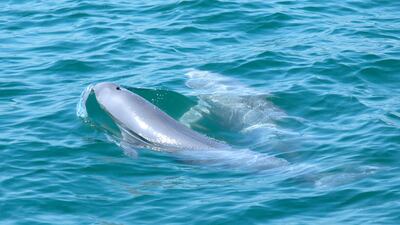
As is the Indo-Pacific Finless Porpoise. -
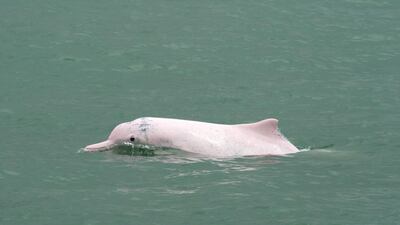
The Indo-Pacific Humpback Dolphin -
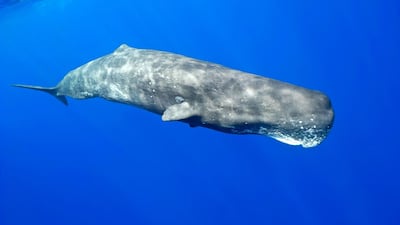
Sperm whale -
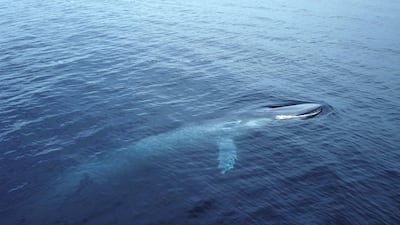
A Blue Whale carcass washed ashore off the Sharjah coast in 2015. -
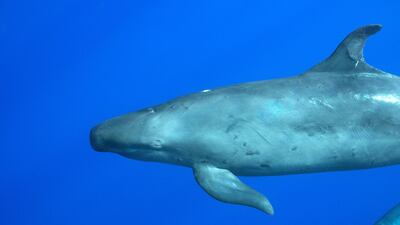
The false killer whale is actually a dolphin. They were spotted off Fujairah for the first time in 25 years in February 2019. -
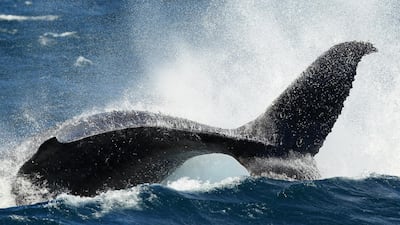
Engangered Arabian humpback whales can be seen in the Northern Emirates and Oman. -

The rare dugong.



