



Sheikh Mohammed bin Rashid, Vice President and Ruler of Dubai, has officially opened the UAE's freight train network.
He announced the launch of the freight network at the main control and maintenance centre in Abu Dhabi’s Al Fayah region on Thursday, news agency Wam reported.
The network consists of a fleet of 38 locomotives and more than 1,000 wagons capable of transporting all types of goods.
It will connect four major ports and seven logistics centres across the country.
The network also includes a number of charging stations located in Ruwais, the Industrial City of Abu Dhabi, Khalifa Port, Dubai Industrial City, Jebel Ali Port, Al Ghail and Fujairah Port.
These locations are a major hub for local and regional distribution and logistics services, as they include customs warehouses and on-site cargo inspection services.
“We are proud of the performance of our sons and daughters who have worked hard over the years to build an ambitious strategic project that will propel our national economy to greater heights,” Sheikh Mohammed said.
“Connecting the Emirates via a national railway network strengthens our capabilities and competitiveness, and consolidates our unity.”
The project, one of the largest infrastructure programmes in the region, aims to connect all seven emirates through a main rail network.

The network, which runs across different geographical terrains, includes 593 bridges and crossings, and nine tunnels.
The freight trains have a capacity of transporting 60 million tonnes of goods per year and can run up to 120kph.
Sheikh Mohammed said that the national railway network is a vital milestone in the UAE’s development journey and a groundbreaking initiative that strengthens the country’s preparations for the future.
The project is expected to contribute Dh200 billion to the national economy by 2050, save Dh8 billion in road maintenance costs and provide Dh23 billion in tourism revenue.
Sheikh Theyab bin Mohamed, member of the Abu Dhabi Executive Council and chairman of Etihad Rail, said the project will accelerate the country’s economic development.
“Emirati talent with the support of the UAE leadership, has turned the dream of our founding fathers into reality,” he said.
“Thanks to them, we won the bet, and we succeeded in launching a railway network with international specifications that extends to about 900km across the Emirates.
“The completion of the network according to the schedule and the approved budget would not have been possible without the cohesion of our talented Emiratis.”
The main line of the network extends from Ghuweifat on the border of Saudi Arabia, to Fujairah, forming an essential part of the global supply network.
Stage one of the network has been fully operational since January 2016 and stage two of the project started in early 2020.
The project also supports the UAE’s sustainable development goals and contributes to achieving the net zero by 2050 by reducing carbon emissions on the roads by 21 per cent and reducing road transport emissions per capita by 40 per cent by 2050.
The cargo wagons can carry all types of goods, including petrochemicals, raw steel, limestone, cement, building materials, industrial and domestic waste, aluminium, food commodities and general cargo.
The inauguration ceremony was attended by Sheikh Hamdan bin Mohammed, Crown Prince of Dubai; Sheikh Saif bin Zayed, Deputy Prime Minister and Minister of Interior; Sheikh Hamed bin Zayed, member of the Abu Dhabi Executive Council; Sheikh Ahmed bin Saeed, chairman of Dubai Civil Aviation Authority, chairman of Dubai Airports and chairman and chief executive of Emirates Airline and Group; Sheikh Nahyan bin Mubarak, UAE Minister of Tolerance and Coexistence, and a number of ministers and senior officials.
The Etihad Rail route - in pictures
-
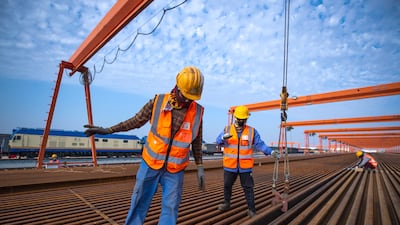
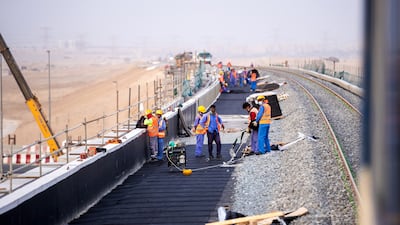
Railroad workers preparing tracks at a depot in January 2022. There has been rapid progress on a new line that will eventually carry passengers. All photos: Victor Besa / The National -
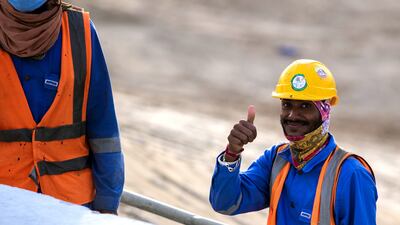
The new Etihad Rail line will connect 11 cities and areas across the UAE from Al Sila in the west to Fujairah in the north. -

Work on the railway at Saih Shuaib. -
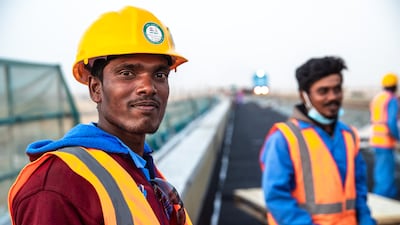
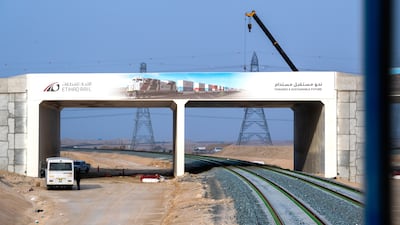
Etihad Rail workers on a railroad overpass along the E77 and E611 highway junction in Dubai. -
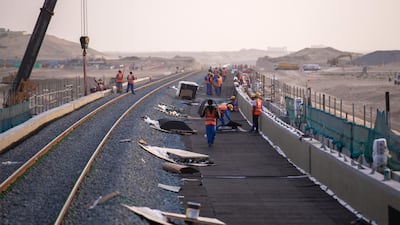
The overpass view along the E77 and E611 highway junction. -
Etihad Rail says stations will celebrate the joy of travelling and designs will speak to regional traditions. -
Some of the new stations will be built in the cities but the locations have not been yet announced. -
The Abu Dhabi to Dubai line is central to the project. -
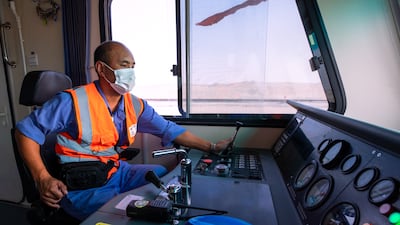
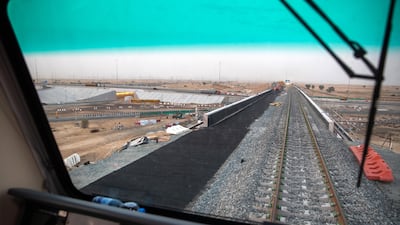
The train driver takes the diesel inspection line down the tracks. -
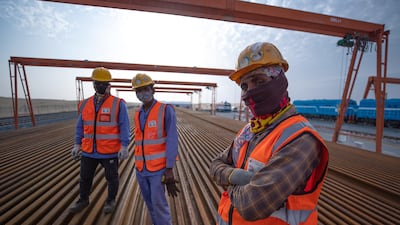
The Abu Dhabi to Dubai section of the track runs parallel to the Emirates Road (E611) motorway. -
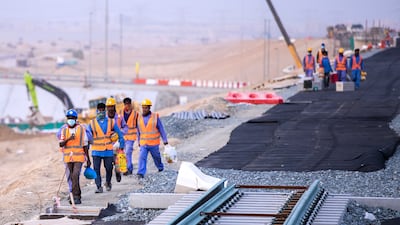
Newly laid tracks at the Dubai South area. -
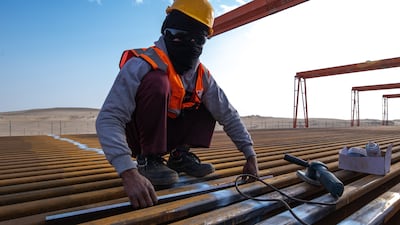
Railroad workers preparing tracks. -
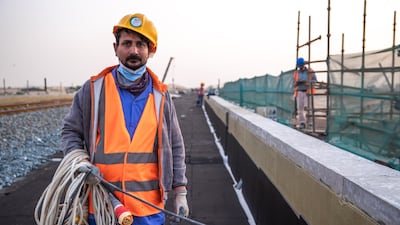
An Etihad Rail worker on the Abu Dhabi to Dubai line. -
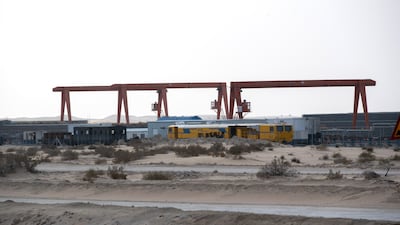
An Etihad Rail depot at Saih Shuaib. -
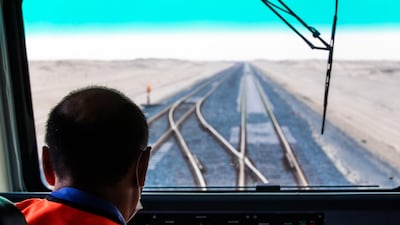
Passengers will also be able to use park and rides. -
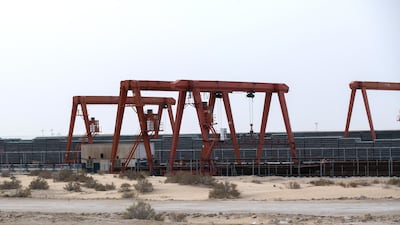
Passengers can expect travel time of 50 minutes between Abu Dhabi and Dubai and about 100 minutes from Abu Dhabi to Fujairah. -
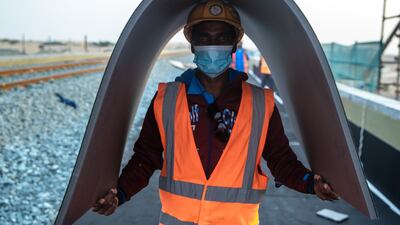
Construction of the UAE-wide network is advancing rapidly with close to 70 per cent of the twin-track route complete. -
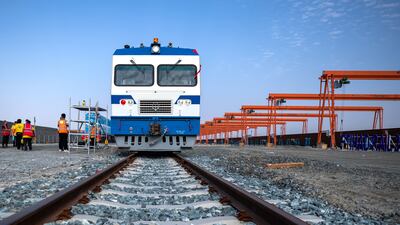
The addition of the passenger rail service marked an important moment for Etihad Rail since its establishment in 2009. -
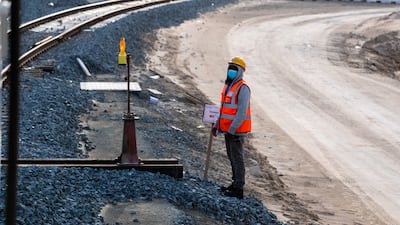
The rail track snakes through the desert. -
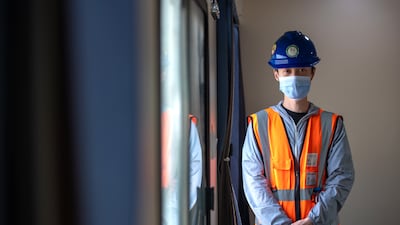
An Etihad Rail employee on the inspection line. -
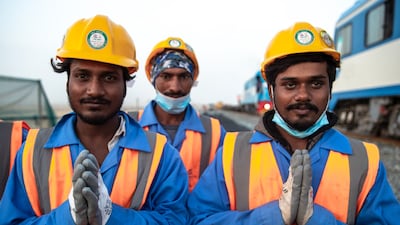
Three Etihad Rail workers take a rest, with the inspection train on right. -
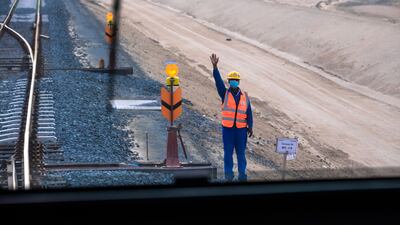
Stage two of the project joins Ghuweifat on the border with Saudi Arabia to Fujairah on the east coast in a line running for about 1,200km. -
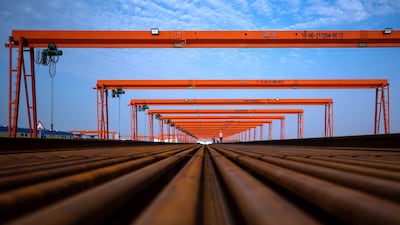
The passenger service is expected to carry more than 36 million passengers annually by the end of the decade.



