Ghaf trees — in pictures
-
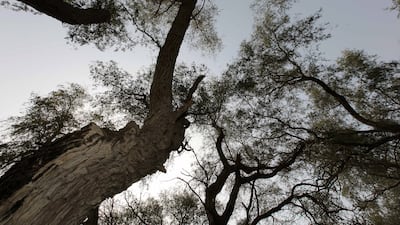
The Ghaf tree, native to the Emirates, is a potential source of biochar, which helps in soil rejuvenation and carbon capture. Pawan Singh / The National -
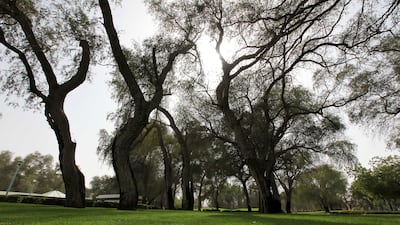
Famed for its ability to live in harsh conditions, the Ghaf tree is found in the deserts of Arabia and in the Indian subcontinent. Photo: Pawan Singh / The National -
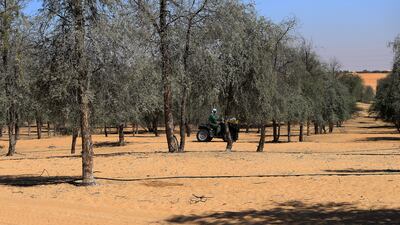
Ghaf trees in Khab Al Dahs forest, near Madinat Zayed, in Al Dhafra. Photo: Ravindranath K / The National -
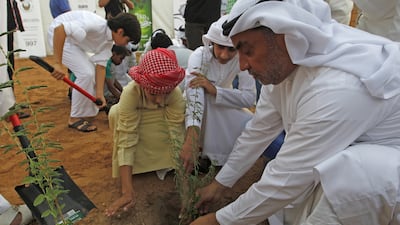
Orphans plant saplings of Ghaf trees at the heritage village in Al Shindagha to commemorate Zayed Humanitarian Day. Jeffrey E Biteng / The National -
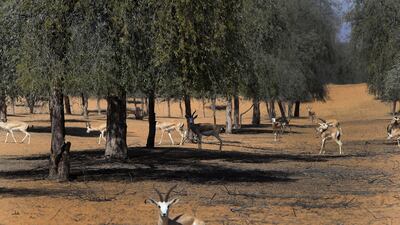
Researchers have found that some Ghaf tree biochar is better at absorbing carbon dioxide than other types of biochar derived from sources such as rice husks, coconut shells, carrot peel or wheat flour. Ravindranath K / The National


Most popular today

