• Andrew McCarthy, an astrophotographer in California, has created a mosaic of the Moon using 50,000 individual photos he captured. He released the image on July 20 to commemorate the anniversary of the Apollo 11 Moon landing. Courtesy: Andrew McCarthy
    Andrew McCarthy, an astrophotographer in California, has created a mosaic of the Moon using 50,000 individual photos he captured. He released the image on July 20 to commemorate the anniversary of the Apollo 11 Moon landing. Courtesy: Andrew McCarthy
  • The image is so detailed, the craters on the surface are visible. Courtesy: Andrew McCarthy
    The image is so detailed, the craters on the surface are visible. Courtesy: Andrew McCarthy
  • Mr McCarthy has taken many other images. This is a composite image of the total lunar eclipse in 2019, which was created using thousands of photos. The detailed image captured the projection of the sunset. Courtesy: Andrew McCarthy
    Mr McCarthy has taken many other images. This is a composite image of the total lunar eclipse in 2019, which was created using thousands of photos. The detailed image captured the projection of the sunset. Courtesy: Andrew McCarthy
  • The North America nebula. Courtesy: Andrew McCarthy
    The North America nebula. Courtesy: Andrew McCarthy

Stunning mosaic of Moon created using 50,000 images


Sarwat Nasir
  • English
  • Arabic

An astrophotographer in the US has created a stunning mosaic of the Moon using 50,000 individual photographs he took to commemorate the day humans first landed on the lunar surface on July 20, 1969.

Andrew McCarthy, an accomplished astrophotographer who lives in Sacramento, California, said he spent a year bringing the masterpiece – his most ambitious project yet – to life.

Measuring more than a gigapixel, the final image is so detailed that it shows the many craters on the lunar surface. He used special software to line up and adjust the images to create the final product.

“The image is a mosaic made from around 50,000 individual images, with many layers composited to create the scene and make the details as clear as possible,” Mr McCarthy told The National.

“The full-sized image is over a gigapixel and shows the craters of the moon in crisp detail. It was captured using an eight-inch [20-centimetre] telescope with a special astrophotography camera and processing the images took me nearly a year working on it intermittently to get it just right.”

Mr McCarthy, who has been photographing the wonders of space for four years, said it was timely to release the image on the anniversary of the Apollo 11 Moon landing.

Before a full-time career in astrophotography, he said he was working in software.

“My career is now cosmic photography, supported by my patrons," he said. "My passion for this began as a child, as I remember looking through my father’s telescope and seeing the wonders of the universe. That led to a love of space throughout my life.

“Creating these images is a lesson in patience. I use a special camera on a telescope with a long focal length and capture thousands of pictures of small sections of the moon, which are stacked to defeat the distortion caused by our atmosphere and to increase the dynamic range of the scene.

“Since it was my largest and most ambitious image to date, I felt it was timed nicely with the anniversary of the event that inspired so many to look to the skies.”

Mr McCarthy has built up a following of 500,000 people on Instagram thanks to the images he has taken.

Some of the others he took are of the International Space Station crossing the Sun, a composite photo of the total lunar eclipse in 2019 that was created using thousands of individual photos and the North America nebula.

Remarkable images of the Middle East from space - in pictures

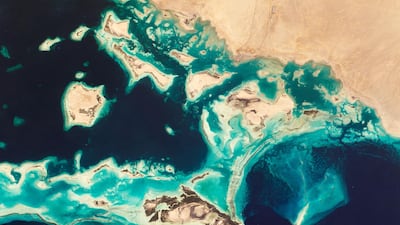
  • On November 26 2020, an astronaut captured this photo of the northwest coastline of Saudi Arabia, home to 260 coral reef species. The image shows the Red Sea on the right, a lagoon in the middle and the coral reef on the left side. All photos courtesy of Earth Observatory at Nasa
    On November 26 2020, an astronaut captured this photo of the northwest coastline of Saudi Arabia, home to 260 coral reef species. The image shows the Red Sea on the right, a lagoon in the middle and the coral reef on the left side. All photos courtesy of Earth Observatory at Nasa
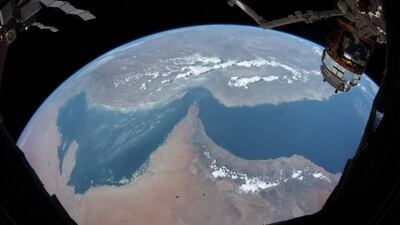
  • UAE’s first astronaut in space, Hazza Al Mansouri, captured this photo of the Emirates during his eight-day trip on the International Space Station. Courtesy: Hazza Al Mansouri Twitter
    UAE’s first astronaut in space, Hazza Al Mansouri, captured this photo of the Emirates during his eight-day trip on the International Space Station. Courtesy: Hazza Al Mansouri Twitter
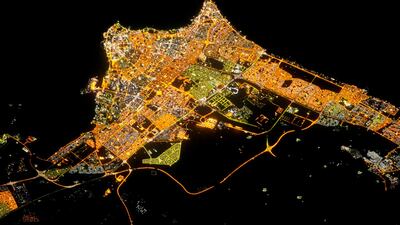
  • Kuwait photographed from space during the night. The Arabian Gulf is on the top right side and the Kuwait Bay is on the left.
    Kuwait photographed from space during the night. The Arabian Gulf is on the top right side and the Kuwait Bay is on the left.
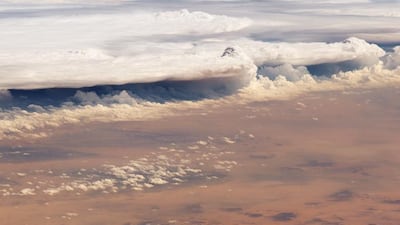
  • Thunderclouds march past the Al Qassim region of central Saudi Arabia on April 13, 2016. Nasa reported the storm clouds were likely related to the heavy rainfall and flooding in Yemen during that time.
    Thunderclouds march past the Al Qassim region of central Saudi Arabia on April 13, 2016. Nasa reported the storm clouds were likely related to the heavy rainfall and flooding in Yemen during that time.
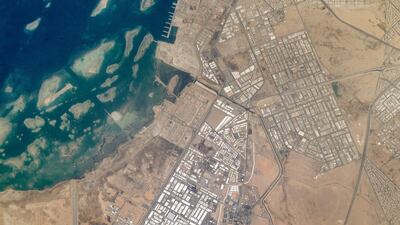
  • An astronaut captured a photograph of the port city in Jeddah, Saudi Arabia, in 2017.
    An astronaut captured a photograph of the port city in Jeddah, Saudi Arabia, in 2017.
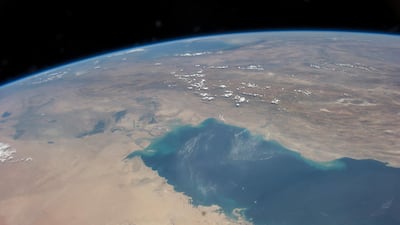
  • The Arabian Gulf photographed from the space station
    The Arabian Gulf photographed from the space station
  • A dusty atmosphere over central Saudi Arabia in 2014. The dunes in Riyadh are visible from space
    A dusty atmosphere over central Saudi Arabia in 2014. The dunes in Riyadh are visible from space
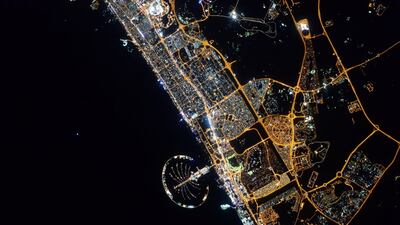
  • Nasa astronaut Scott Kelly captured an image of Dubai’s lights during the night. Courtesy: Scott Kelly Twitter
    Nasa astronaut Scott Kelly captured an image of Dubai’s lights during the night. Courtesy: Scott Kelly Twitter
  • A dust plume surging over the Red Sea and reaching Saudi Arabia in 2013. The Nile River is visible on the top left side of the image.
    A dust plume surging over the Red Sea and reaching Saudi Arabia in 2013. The Nile River is visible on the top left side of the image.
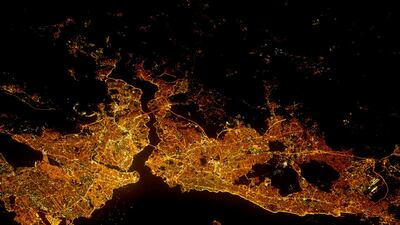
  • Turkish city of Istanbul at night
    Turkish city of Istanbul at night
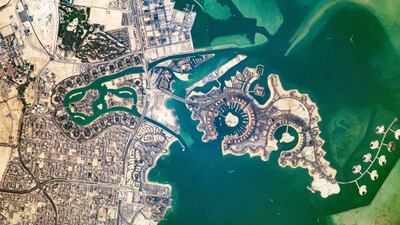
  • The Pearl-Qatar, a man-made island in Doha, is visible from space. An astronaut captured this photograph in 2017
    The Pearl-Qatar, a man-made island in Doha, is visible from space. An astronaut captured this photograph in 2017
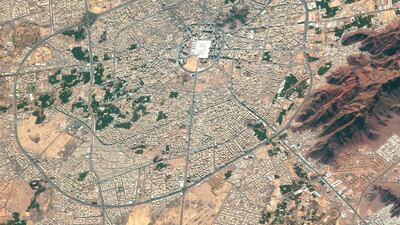
  • The city of Madinah in Saudi Arabia
    The city of Madinah in Saudi Arabia
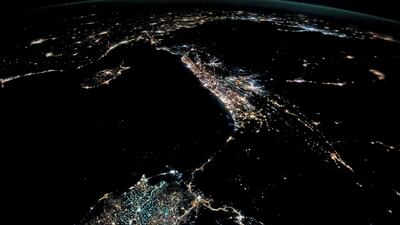
  • The Levant region captured from space
    The Levant region captured from space
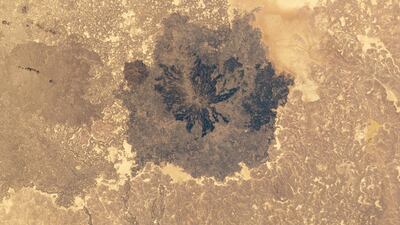
  • Es Safa, a basaltic volcanic field in southeast of Damascus, Syria, photographed from space in 2010. It is the largest volcanic field on the Arabian tectonic plate.
    Es Safa, a basaltic volcanic field in southeast of Damascus, Syria, photographed from space in 2010. It is the largest volcanic field on the Arabian tectonic plate.
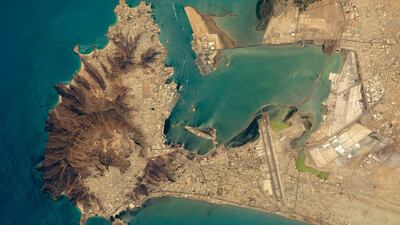
  • Port of Aden in Yemen
    Port of Aden in Yemen
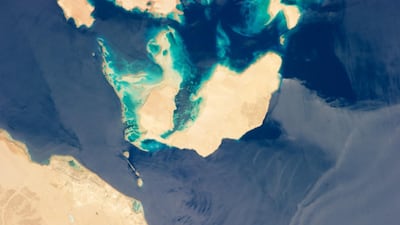
  • The Strait of Tiran, which separates the Gulf of Aqaba from the Red Sea, captured from space in 2013
    The Strait of Tiran, which separates the Gulf of Aqaba from the Red Sea, captured from space in 2013
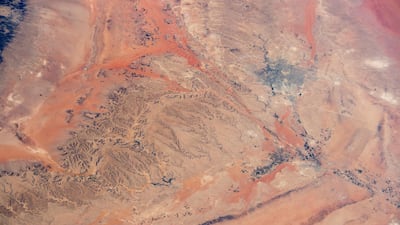
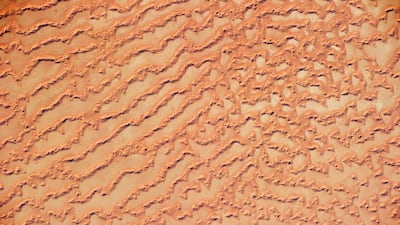
  • The southeastern margin of the Empty Quarter, also known as the Ar Rub’ al Khali, in Oman. An astronaut took this photo in 2011
    The southeastern margin of the Empty Quarter, also known as the Ar Rub’ al Khali, in Oman. An astronaut took this photo in 2011
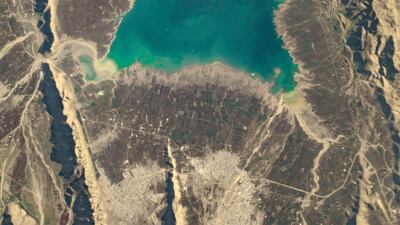
  • Lake Dukan, shaped almost like a Christmas tree, in Iraq photographed from space in 2018.
    Lake Dukan, shaped almost like a Christmas tree, in Iraq photographed from space in 2018.
  • A dust storm over the Arabian gulf in August, 2008
    A dust storm over the Arabian gulf in August, 2008
  • Damascus, Syria, photographed from space in 2013
    Damascus, Syria, photographed from space in 2013
Volvo ES90 Specs

Engine: Electric single motor (96kW), twin motor (106kW) and twin motor performance (106kW)

Power: 333hp, 449hp, 680hp

Torque: 480Nm, 670Nm, 870Nm

On sale: Later in 2025 or early 2026, depending on region

Price: Exact regional pricing TBA

Company%20profile
%3Cp%3E%3Cstrong%3ECompany%20name%3A%3C%2Fstrong%3E%20FinFlx%3C%2Fp%3E%0A%3Cp%3E%3Cstrong%3EStarted%3A%3C%2Fstrong%3E%20January%202021%3C%2Fp%3E%0A%3Cp%3E%3Cstrong%3EFounders%3A%3C%2Fstrong%3E%20Amr%20Yussif%20(co-founder%20and%20CEO)%2C%20Mattieu%20Capelle%20(co-founder%20and%20CTO)%3C%2Fp%3E%0A%3Cp%3E%3Cstrong%3EBased%20in%3A%3C%2Fstrong%3E%20Dubai%3C%2Fp%3E%0A%3Cp%3E%3Cstrong%3EIndustry%3A%3C%2Fstrong%3E%20FinTech%3C%2Fp%3E%0A%3Cp%3E%3Cstrong%3EFunding%20size%3A%3C%2Fstrong%3E%20%241.5m%20pre-seed%3C%2Fp%3E%0A%3Cp%3E%3Cstrong%3EInvestors%3A%3C%2Fstrong%3E%20Venture%20capital%20-%20Y%20Combinator%2C%20500%20Global%2C%20Dubai%20Future%20District%20Fund%2C%20Fox%20Ventures%2C%20Vector%20Fintech.%20Also%20a%20number%20of%20angel%20investors%3C%2Fp%3E%0A
All%20The%20Light%20We%20Cannot%20See%20
%3Cp%3E%3Cstrong%3ECreator%3A%20%3C%2Fstrong%3ESteven%20Knight%3C%2Fp%3E%0A%3Cp%3E%3Cstrong%3EStars%3A%C2%A0%3C%2Fstrong%3EMark%20Ruffalo%2C%20Hugh%20Laurie%2C%20Aria%20Mia%20Loberti%3C%2Fp%3E%0A%3Cp%3E%3Cstrong%3ERating%3A%20%3C%2Fstrong%3E1%2F5%C2%A0%3C%2Fp%3E%0A

Russia's Muslim Heartlands

Dominic Rubin, Oxford

'Skin'

Dir: Guy Nattiv

Starring: Jamie Bell, Danielle McDonald, Bill Camp, Vera Farmiga

Rating: 3.5/5 stars

T20 World Cup Qualifier

October 18 – November 2

Opening fixtures

Friday, October 18

ICC Academy: 10am, Scotland v Singapore, 2.10pm, Netherlands v Kenya

Zayed Cricket Stadium: 2.10pm, Hong Kong v Ireland, 7.30pm, Oman v UAE

UAE squad

Ahmed Raza (captain), Rohan Mustafa, Ashfaq Ahmed, Rameez Shahzad, Darius D’Silva, Mohammed Usman, Mohammed Boota, Zawar Farid, Ghulam Shabber, Junaid Siddique, Sultan Ahmed, Imran Haider, Waheed Ahmed, Chirag Suri, Zahoor Khan

Players out: Mohammed Naveed, Shaiman Anwar, Qadeer Ahmed

Players in: Junaid Siddique, Darius D’Silva, Waheed Ahmed

German intelligence warnings
  • 2002: "Hezbollah supporters feared becoming a target of security services because of the effects of [9/11] ... discussions on Hezbollah policy moved from mosques into smaller circles in private homes." Supporters in Germany: 800
  • 2013: "Financial and logistical support from Germany for Hezbollah in Lebanon supports the armed struggle against Israel ... Hezbollah supporters in Germany hold back from actions that would gain publicity." Supporters in Germany: 950
  • 2023: "It must be reckoned with that Hezbollah will continue to plan terrorist actions outside the Middle East against Israel or Israeli interests." Supporters in Germany: 1,250 

Source: Federal Office for the Protection of the Constitution

Why it pays to compare

A comparison of sending Dh20,000 from the UAE using two different routes at the same time - the first direct from a UAE bank to a bank in Germany, and the second from the same UAE bank via an online platform to Germany - found key differences in cost and speed. The transfers were both initiated on January 30.

Route 1: bank transfer

The UAE bank charged Dh152.25 for the Dh20,000 transfer. On top of that, their exchange rate margin added a difference of around Dh415, compared with the mid-market rate.

Total cost: Dh567.25 - around 2.9 per cent of the total amount

Total received: €4,670.30 

Route 2: online platform

The UAE bank’s charge for sending Dh20,000 to a UK dirham-denominated account was Dh2.10. The exchange rate margin cost was Dh60, plus a Dh12 fee.

Total cost: Dh74.10, around 0.4 per cent of the transaction

Total received: €4,756

The UAE bank transfer was far quicker – around two to three working days, while the online platform took around four to five days, but was considerably cheaper. In the online platform transfer, the funds were also exposed to currency risk during the period it took for them to arrive.

Updated: July 24, 2021, 3:00 AM