
Three successive major white-ball tournament wins without dropping a single game. Four major trophies – two Asia Cups, a T20 World Cup and a Champions Trophy – since 2023. A staggering 39 wins in T20 matches and just five defeats in the past two years.
India staged a remarkable comeback against Pakistan in the final of the Asia Cup in Dubai on Sunday. They orchestrated a stunning Pakistan collapse from 113-1 to 146 all out. They overcame the target in the last over despite a top-order collapse, the early dismissal of in-form Abhishek Sharma and absence of middle-order mainstay Hardik Pandya.
These should have been the main talking points after India’s thrilling win. Unfortunately, runs, wickets and results have become a side note in the political cesspool of current India-Pakistan cricket.

The two neighbours have not experienced peace for over half a century, with large spells of quiet broken by wars, skirmishes and aggression. For many in the subcontinent, it became part of the collective experience. Which is why bilateral relations were kept alive at various levels, with sports one of the main connecting links.
But this year, everything changed. After an intense, yet brief, war following a terrorist attack in Pahalgam in Indian-administered Kashmir, the minuscule ties between the South Asian nations snapped.
Cricket, as is generally the case between the two nations, became the easiest and most visible casualty. For months, there was speculation about whether India would play Pakistan in the Asia Cup. They received clearance from the government at the last moment, with the caveat that sporting ties would be restricted to major international multi-team tournaments.
Then started the real drama. India first refused to shake hands with Pakistan players. Captain Suryakumar Yadav took the simmering situation to a point of no return, dedicating victory to his country’s armed forces and in memory of Pahalgam victims. From there, it was a free-for-all.
-
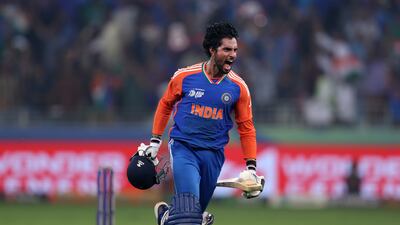
India's Tilak Varma hit a brilliant fifty at the Dubai International Stadium to guide his team to a five-wicket win over Pakistan in the final of the Asia Cup. All images Chris Whiteoak / The National -
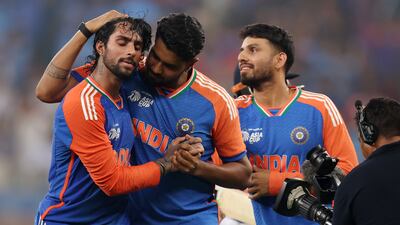
Tilak Varma celebrates the Asia Cup win over Pakistan with teammates in Dubai -
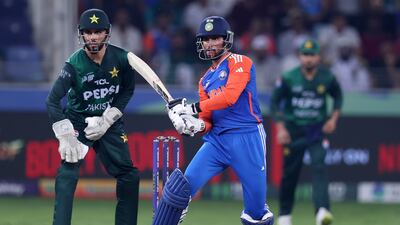
Tilak Varma remained unbeaten to anchor a tense chase in Dubai -
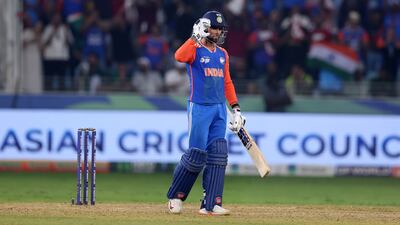
Tilak Varma scored an unbeaten 69 as India defeated Pakistan by five wickets to win the Asia Cup at the Dubai International Stadium -
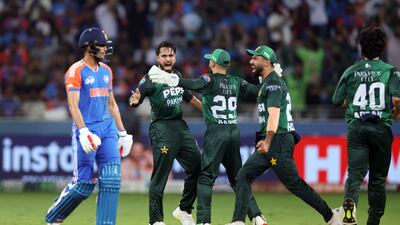
Pakistan's Faheem Ashraf celebrates the wicket of Shubman Gill -

Shaheen Afridi after taking the wicket of India captain Suryakumar Yadav cheaply -

India's Kuldeep Yadav finished with four wickets to help bowl Pakistan out for just 146 in the Asia Cup final -
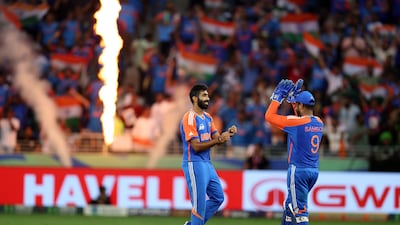
Jasprit Bumrah celebrates the wicket of Pakistan's Haris Rauf at the Dubai International Stadium -
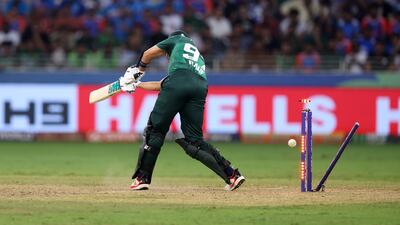
India's Jasprit Bumrah rattles the stumps of Pakistan's Haris Rauf -
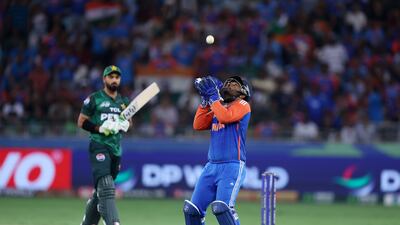
Pakistan's Hussain Talat fell to the left-arm spin of Axar Patel -
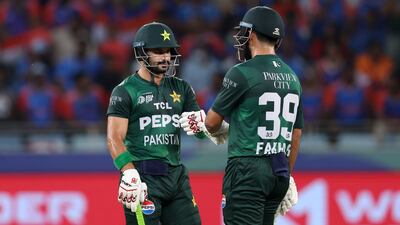
Sahibzada Farhan, left, and Fakhar Zaman gave Pakistan a superb start -

Pakistan's Fakhar Zaman on his way to 57 off 38 balls which included five fours and three sixes -
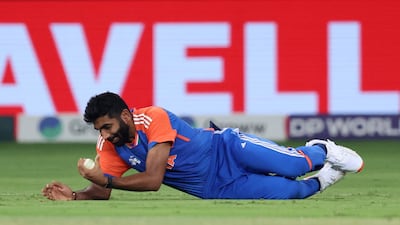
India's Jasprit Bumrah takes the catch to dismiss Pakistan's Saim Ayub for 14 -

The national anthems are sung. India take on Pakistan in the Asia Cup Final 2025. Dubai International Stadium, Dubai. Chris Whiteoak / The National -
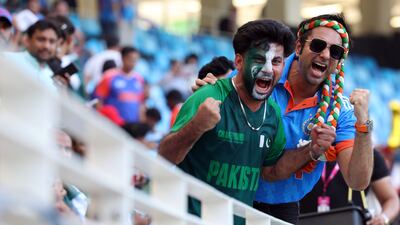
Pakistand and India fans before the final at Dubai International Stadium -
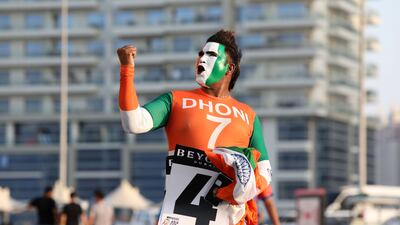
An fan pays homage to India great MS Dhoni -
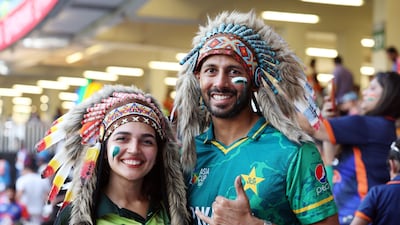
Pakistan fans at Dubai International Stadium -
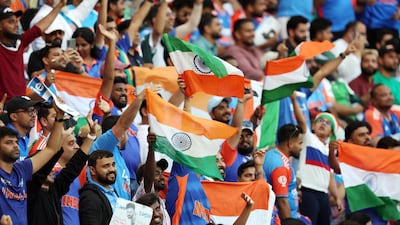
India fans at Dubai International Stadium


Pakistan then threatened to pull out of the tournament. India refused to take part in a pre-final photo shoot with Pakistan. And after winning the final, India decided not to collect the winners’ trophy from the tournament president, who happened to be Pakistan’s cricket chief and an important minister in his country’s government.
Suryakumar once again dedicated victory to India's armed forces. Salman Agha said it was a sad day for cricket.
No matter how you look at the turn of events, the bottom line is that India-Pakistan cricket has been permanently politicised.
Results on the ground, performances of batters and bowlers seem secondary. The only interest now is who said what and how they behaved before and after a match.
Protocols are being analysed for loopholes and trivial gestures being used to make political statements. Winning does not seem to matter, just the desire to parade that victory to rub it in the face of a perceived adversary and score brownie points.
What many supporters in both countries need to remember is that when an entity like sport is so crudely politicised, it leads to unholy outcomes. And every win or defeat becomes just a stopover in the never-ending game of pseudo-warfare.
During the final in Dubai, some Indian and Pakistan fans clashed in the stands as the match became tense. Security had to be brought in to control the situation.
Thankfully, this is the UAE and there is zero tolerance for such unruly behaviour. But what about next year when the T20 World Cup takes place in India and Sri Lanka? And the one after that?
One can only imagine the incredible mess that will be created for tournament organisers, cricket fans, players and even security if and when India and Pakistan face each other.
That clash most likely will happen in neutral territory. But what if Pakistan reach the T20 World Cup final and face India again? Will the final then move to neutral territory? What if Pakistan refuse to set foot in India and the co-hosts insist on hosting the title match?
India somehow managed to get Pakistan to participate in the 2023 ODI World Cup. But there is zero chance of the team in green making any concessions this time. There is too much bad blood between all stakeholders of the game.
There is a reason you should not mix sports and politics. And even if exceptions are made, there are more palatable alternatives like forfeiture or abstention.
By permanently politicising the game on the field, India and Pakistan have ensured cricket between the two teams will now only be remembered for everything but cricket.
For the sanity of the game, it would be best to not have the two teams face each other as they seem less interested in the actual sport when facing each other.

