



India will be looking to continue their stupendous form in 50-over cricket when they face top-ranked New Zealand in a three-match ODI series that begins in Hyderabad on Wednesday.
Rohit Sharma's team were in unstoppable form in the recently concluded series against Sri Lanka, completing a clean sweep with a world record 317-run win in the third game in Thiruvananthapuram.
Virat Kohli has roared back into form, smashing three centuries in his last four ODIs. He is looking good to break Sachin Tendulkar's record of 49 tons in the format. Kohli is on 46 centuries, despite having played nearly 200 fewer ODIs than Tendulkar.
The three-match series against New Zealand will give India an honest assessment of where they stand in the format. The 50-over World Cup will be held in India later this year and the series against the Kiwis, who were finalists in the last two World Cups, will expose any weaknesses in Rohit's team.
-
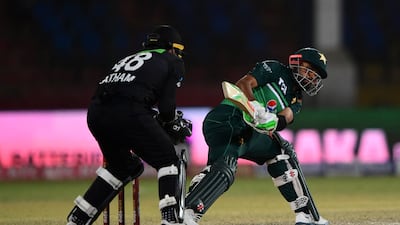
New Zealand's wicketkeeper Tom Latham stumps Pakistan captain Babar Azam during the second ODI at the National Stadium in Karachi on Wednesday, January 11, 2023. AFP -
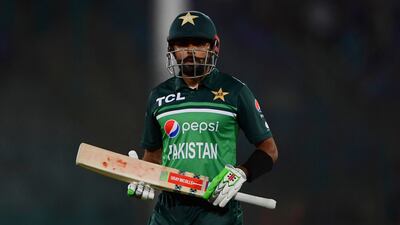
Pakistan's captain Babar Azam walks back to pavilion after his dismissal during the second ODI against New Zealand in Karachi. AFP -

Pakistan Muhammad Wasim plays a shot in Karachi. EPA -

New Zealand's players celebrate after a Pakistan dismissal at the National Stadium in Karachi. AFP -
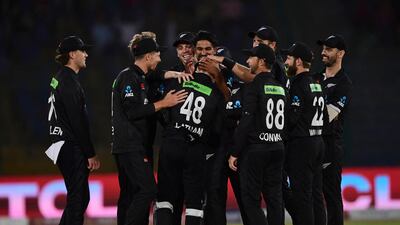
New Zealand defeated Pakistan in the second ODI. AFP -

New Zealand's Glenn Phillips celebrates after dismissing Pakistan's Agha Salman. AFP -

New Zealand's Glenn Phillips celebrates after taking the wicket of Pakistan's Haris Sohail. AFP -

New Zealand's Devon Conway scored a century in the second ODI. EPA -
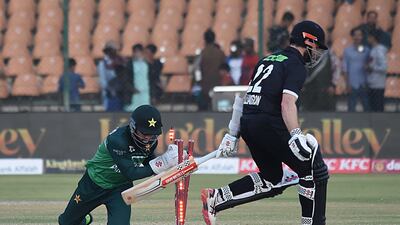
Pakistan's Mohammad Rizwan breaks the stumps. EPA -
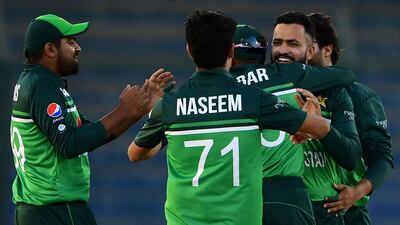
Pakistan's Mohammad Nawaz picked up four wickets on Wednesday. AFP


If India manage to defeat the Black Caps, and by a margin of 3-0, they will rise to the top of rankings table in ODIs. Any other margin of result will see the Kiwis retain their top ranking. New Zealand are currently on top with 117 points after their recent ODI series win in Pakistan. India are fourth on 110 points, but a congested top five in the format's rankings table means the No 1 spot should change hands often.
What should make the job for India a bit easier is the absence of key New Zealand players in the series. Star batsman Kane Williamson and veteran seamer Tim Southee have decided to give the tour a miss to manage their workload.
In their absence, Tom Latham will lead the team in the ODI series and Mitchell Santner in the subsequent T20s.
Meanwhile, a back injury has forced India batsman Shreyas Iyer out of the ODI series, the country's cricket board said on Tuesday. Rajat Patidar will replace Iyer in the squad.

